Five-Day Porto Itinerary Based in Bolhao
Arrival and Bolhao
- Mercado do Bolhão — Bolhão; explore Porto’s landmark food market and local produce stalls, afternoon, ~1 hour.
- Capela das Almas — Santa Catarina; admire the famous blue-and-white tile façade, afternoon, ~20 minutes.
- Café Santiago — Batalha; try a classic Porto francesinha, late lunch, ~1 hour, approximately €15–25 per person.
- Igreja de Santo Ildefonso — Batalha; see one of the city’s most striking tiled churches, late afternoon, ~30 minutes.
- Rua de Santa Catarina — Bolhão; browse the pedestrian shopping street and nearby cafés, early evening, ~1 hour.
Afternoon
Start at Mercado do Bolhão, the best first taste of the neighborhood and an easy stop after arriving. The restored market is generally open Tuesday–Sunday, roughly 8:00–mid-afternoon, though individual stalls keep their own hours, so aim for around 14:00–15:00. Allow an hour to browse the produce, fish, cheese, and small food counters; the building is spacious and atmospheric, but it can be busy on Saturdays. From there, walk south along Rua de Santa Catarina for about five minutes to Capela das Almas. The blue-and-white tile façade is particularly good in afternoon light, and a quick look inside is usually enough—dress respectfully and keep voices low.
Late Lunch and Early Evening
Continue downhill toward Batalha—around 10 minutes on foot—for a late lunch at Café Santiago, one of Porto’s classic addresses for a francesinha. Expect approximately €15–25 per person, and be prepared for a queue at peak times; arriving after 15:00 usually makes things easier. The sandwich is rich, so order one each only if you are hungry, and consider sharing chips or choosing a lighter portion. After lunch, visit Igreja de Santo Ildefonso, just a few steps away in Praça de Santo Ildefonso. Allow about 30 minutes to appreciate the tiled exterior and interior; opening hours can vary around services, so treat this as a flexible stop rather than rushing.
Evening Wandering
Finish by returning to Rua de Santa Catarina, where the pedestrian section is lively in the early evening. Browse the independent shops and Portuguese chains, then settle into one of the side-street cafés rather than the busiest central stretch. This is a good low-pressure first evening: the whole route is walkable, with steep sections between Bolhão and Batalha, and you can head back to your accommodation whenever you are ready. Keep valuables secure in the crowds and check restaurant or church hours locally, as summer schedules can change.
Historic Porto
- São Bento Station — Baixa; view its celebrated historic azulejo hall, morning, ~30 minutes.
- Porto Cathedral — Sé; visit Porto’s Romanesque cathedral and cloisters, morning, ~1 hour.
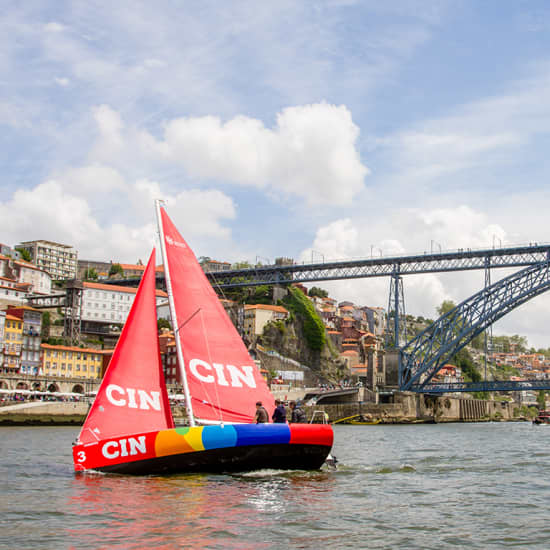
- Ponte de Dom Luís I — Ribeira; walk across the upper deck for sweeping river views, late morning, ~45 minutes.
- Ribeira Square — Ribeira; wander the colorful waterfront lanes and historic quayside, afternoon, ~1 hour.
- Casa Guedes — Batalha; enjoy its famous pork sandwich with a drink, lunch, ~45 minutes, approximately €10–18 per person.
- Palácio da Bolsa — Infante; tour Porto’s richly decorated former stock exchange, afternoon, ~1.5 hours.
Morning
Leave Bolhão around 8:30–9:00 and walk downhill through Baixa to São Bento Station—about 15 minutes. Go inside for the grand azulejo hall, best seen before the day-trippers arrive; allow 30 minutes, and remember that it is an active railway station, so keep clear of the entrances and platforms. From here, continue uphill for roughly 10 minutes to Porto Cathedral (Sé). The cathedral is usually open from around 9:00, with a small entrance fee—roughly €3–4 for the church and cloisters—and the cool cloister tiles are worth the extra time. Descend toward the river and cross the upper deck of Ponte de Dom Luís I, allowing about 45 minutes for photographs and views over the Douro; take care around the Metro tracks and use the pedestrian edges.
Lunch and Afternoon
Drop down into Ribeira Square for an unhurried wander through the colorful lanes and quayside, but avoid committing to a riverside terrace for lunch, where prices are higher. Instead, walk about 10 minutes uphill to Casa Guedes in Batalha for its celebrated roast-pork sandwich, ideally with the simple sheep’s-cheese version if available. Expect €10–18 per person, and allow 45 minutes; it is casual, busy, and ordering at the counter is part of the experience. After lunch, walk downhill toward Infante—around 15 minutes, with steep cobbles—and tour Palácio da Bolsa. Guided visits are generally required, last about 30 minutes within a roughly 1-hour tour cycle, and cost approximately €12–15; check the day’s language and departure times at the entrance, as tours can sell out in summer.
Evening
You will finish near the river, where it is pleasant to linger along the Douro before heading back to Bolhão. The simplest return is uphill on foot via Rua de Mouzinho da Silveira and Avenida dos Aliados, around 25–30 minutes; otherwise walk to São Bento and take Metro Line D one stop to Trindade, then walk to your accommodation. Wear shoes with good grip today—the descent from the cathedral, bridge approaches, and Ribeira cobbles are much steeper than they look.
Vila Nova de Gaia
- WOW Porto — Vila Nova de Gaia; explore its collection of cultural museums and exhibitions, morning, ~2 hours.
- Taylor’s Port — Santa Marinha; tour a historic port-wine lodge and taste its wines, late morning, ~1.5 hours.
- Jardim do Morro — Santa Marinha; relax on the hilltop with panoramic views over Porto, early afternoon, ~45 minutes.
- Mosteiro da Serra do Pilar — Serra do Pilar; see the distinctive circular monastery and viewpoint, afternoon, ~1 hour.
- Douro river cruise — Gaia waterfront; take a scenic cruise beneath Porto’s bridges, late afternoon, ~1 hour.
- Taberna dos Mercadores — Ribeira; have a traditional Portuguese dinner near the river, evening, ~1.5 hours, approximately €25–40 per person.
Morning
From Ribeira, cross the lower deck of Ponte de Dom Luís I toward Gaia, then allow another 10–15 minutes uphill to WOW Porto in Santa Marinha. Set off around 8:30–9:00 so you can spend roughly two hours exploring the museum complex before it becomes busier; individual museum opening times vary, and a combined ticket is usually better value than buying separate admissions. The route is steep in places, so comfortable shoes are worthwhile. From WOW, it is a short uphill walk or a quick taxi ride to Taylor’s Port, where the historic lodge tour and tasting take about 90 minutes; reserve a timed visit in advance, particularly in August, with tours and tastings commonly costing around €20–25.
Afternoon and Evening
After Taylor’s, walk down toward Jardim do Morro for a relaxed 45 minutes on the grass and one of the finest views of Porto, the river, and the bridge. Continue to Mosteiro da Serra do Pilar, whose circular cloister and hilltop viewpoint are especially rewarding in the early afternoon; allow about an hour, and check the day’s visiting hours because access to the monastery interior can be limited. Descend toward the Gaia waterfront for a one-hour Douro river cruise beneath Porto’s bridges. Cruises generally run throughout the afternoon, cost approximately €15–20, and are easiest to join from the quayside near Cais de Gaia—keep a little flexibility, as departures depend on the operator and river conditions.
Finish with dinner at Taberna dos Mercadores in Ribeira, reached by crossing back over the lower deck or taking a short taxi if your legs are tired. It is a tiny, popular restaurant, so reserve ahead or arrive early; expect traditional Portuguese dishes and around €25–40 per person, excluding a large amount of wine. After dinner, the riverfront is lovely for an unhurried walk, though the cobbled lanes around Ribeira are uneven and can be slippery.
Foz do Douro Coast
- Castelo do Queijo — Matosinhos; visit the dramatic coastal fort beside the Atlantic, morning, ~45 minutes.
- Praia do Homem do Leme — Foz do Douro; enjoy a quieter beach walk and ocean views, late morning, ~1 hour.
- Pergola da Foz — Foz do Douro; stroll along the photogenic seaside promenade, midday, ~30 minutes.
- Mercado da Foz — Foz do Douro; browse a neighborhood market and pick up a light lunch, early afternoon, ~1 hour, approximately €10–20 per person.
- Farolim de Felgueiras — Foz do Douro; watch the waves around Porto’s iconic lighthouse, late afternoon, ~45 minutes.
- Passeio Alegre Garden — Foz do Douro; finish with a relaxed riverside garden walk, early evening, ~45 minutes.
Morning
Leave Vila Nova de Gaia around 8:00–8:30 for Castelo do Queijo, allowing roughly 35–55 minutes by STCP bus; Line 500 is usually the useful route, but check the live itinerary in Google Maps or the Anda app because the waterfront service can vary. A Bolt or taxi takes about 20–30 minutes and is worth considering if you are leaving a Gaia wine lodge. At Castelo do Queijo, allow 45 minutes to walk around the small granite fort and watch the Atlantic from the rocks. Continue south toward Praia do Homem do Leme, either on foot along the coast—around 25–30 minutes—or by a short Line 500 ride. This quieter stretch is ideal for an unhurried beach walk; bring a light layer, as the ocean breeze can be surprisingly cool even in August.
Midday and Lunch
Carry on along the waterfront to Pergola da Foz, roughly 15 minutes from Praia do Homem do Leme on foot. The famous colonnade is a quick stop, but the promenade around it is worth strolling slowly, especially when the tide is in. From there, walk or take a short local bus ride inland to Mercado da Foz for an early lunch and a look at this much more everyday side of Porto. Allow about an hour and budget €10–20 per person for prepared food, fruit, pastries, or a simple seafood-based meal; market stalls often wind down earlier than restaurants, so aim to arrive around 13:00.
Afternoon and Evening
After lunch, make your way back toward the mouth of the Douro—about 20–25 minutes on foot—to Farolim de Felgueiras. The lighthouse is best appreciated from the sea wall rather than up close: stay well back from the edge, as waves can break over the walkway even on a sunny day. Spend around 45 minutes here, then walk 10–15 minutes east to Passeio Alegre Garden for a calmer finish beneath the palms and old trees. It is a pleasant place to sit with a drink or ice cream before returning to Gaia; from the nearby waterfront, check the current Line 500 connection or take a Bolt, allowing approximately 35–55 minutes by bus or 20–30 minutes by car depending on traffic.
Final Morning in Bolhao
- Livraria Lello — Clérigos; visit Porto’s ornate and iconic historic bookshop, morning, ~1 hour.
- Clérigos Church and Tower — Clérigos; climb for elevated views across the city, late morning, ~1 hour.
- A Vida Portuguesa — Baixa; browse thoughtfully curated Portuguese design and food gifts, midday, ~45 minutes.
- Leitaria da Baixa — Baixa; have coffee and a pastry in a traditional-style café, lunch, ~45 minutes, approximately €8–15 per person.
- Jardins do Palácio de Cristal — Massarelos; end with peaceful gardens and Douro viewpoints, afternoon, ~1.5 hours.
Morning
After breakfast, leave Foz do Douro around 8:00–8:15 for the morning’s timed visit. STCP Bus 500 toward Praça da Liberdade is the scenic public-transport option, taking roughly 35–50 minutes; from the central stop, walk uphill toward Rua das Carmelitas. A Bolt or taxi is easier if you have luggage or a strict entry time, usually 15–25 minutes and about €10–18. Start at Livraria Lello, arriving 10–15 minutes before your reserved slot; allow about an hour for the carved staircase, stained glass, and bookshop interior. Tickets are normally around €8–10, often redeemable against a book, and advance timed entry is essential in August. A short walk brings you to Clérigos Church and Tower. The church is generally free, while the tower costs roughly €8 and involves a narrow climb of more than 200 steps, so go up only if the weather is clear and you are comfortable with stairs.
Midday
Walk downhill through Baixa toward Rua de 31 de Janeiro and Rua de Santa Catarina, stopping at A Vida Portuguesa for about 45 minutes. This is a good place for nicely presented Portuguese soaps, tins, stationery, ceramics, and edible gifts rather than tourist tat; prices range from a few euros to €30 or more for special pieces. Continue to Leitaria da Baixa for coffee and a pastry, or a light lunch, budgeting approximately €8–15 per person. It is a compact, traditional-style stop, so avoid the busiest lunch rush around 13:00 if you want a relaxed table.
Afternoon
From central Baixa, take a leisurely 20–25-minute walk west through Cordoaria and Massarelos to Jardins do Palácio de Cristal. If the heat is strong, a short Bolt or taxi is more comfortable than walking uphill, usually around €5–8. Spend roughly 1½ hours wandering the landscaped paths, peacock-filled corners, and shaded terraces overlooking the Douro; the gardens are free and typically open from early morning until evening. This is deliberately the quiet finish to the trip: bring water, pause at the viewpoints, and, if your departure is not immediate, take a final slow walk back toward the centre rather than trying to add another major attraction.
No packing list attached yet.