Washington to San Francisco RV Road Trip via Olympic, Yosemite, Sequoia, and the California Coast
Olympic National Park
- Hoh Rain Forest — Olympic National Park; morning, ~2 hours. Walk the Hall of Mosses and Spruce Nature Trail through one of the park’s signature temperate rain forests.
- Ruby Beach — Olympic coast; late morning, ~45 minutes. See sea stacks and driftwood along a dramatic Pacific shoreline.
- Kalaloch Tree of Life — Kalaloch; early afternoon, ~30 minutes. Stop for the striking coastal tree growing beneath an eroded bluff.
- Lake Quinault Lodge — Lake Quinault; late afternoon, ~1 hour. Enjoy the historic lodge setting and a relaxed lakeside break.
- Salmon House Restaurant — Quinault; dinner, ~1.5 hours, approximately $25–45 per person. Have a hearty regional meal before an early night.
Morning — Hoh Rain Forest
Start early from the Hoh Rain Forest area, ideally arriving around 8:00 a.m. The drive from Port Angeles is roughly 2–2½ hours, while staying near Forks puts you about 40 minutes away. Allow extra time for the narrow, winding approach roads and possible spring rain. The visitor center is generally open seasonally during daytime hours; carry the national park entrance pass or pay the current per-vehicle fee, and arrive early because the small parking lot fills quickly. Spend about two hours on the Hall of Mosses and Spruce Nature Trail, where the forest is especially atmospheric in April—wet, quiet, and vividly green. Wear waterproof shoes and bring a rain shell; even when nearby beaches are clear, the Hoh can be damp.
Late Morning — Ruby Beach
Drive south on US-101 for about 45 minutes to Ruby Beach, allowing roughly 45 minutes to explore. The short path from the roadside parking area leads down to a broad, driftwood-strewn shoreline framed by sea stacks. Check the tide table before walking far, since the beach narrows at higher water, and keep clear of logs that can shift in the surf. There are no substantial services here, so use restrooms and pick up snacks or coffee in Forks before continuing. From Ruby Beach, it is about 20 minutes south to the Kalaloch Tree of Life.
Afternoon and Evening — Kalaloch to Quinault
Spend about 30 minutes at the Kalaloch Tree of Life, reached from the Kalaloch Campground area by a short walk toward the beach. The tree sits beneath an eroded bluff, and its exposed roots make the best view at lower tide; treat the bluff edge and root area carefully, since the coast is actively eroding. Continue south on US-101 for approximately 35–40 minutes to Lake Quinault Lodge, arriving in the late afternoon for an hour by the lake. The historic lodge is a good place to warm up, use the facilities, and take a relaxed shoreline stroll; dining and lodge hours can be seasonal, so check ahead if you plan to stay for anything beyond a break. Finish with dinner at Salmon House Restaurant in Quinault, budgeting about $25–45 per person for a hearty regional meal. Keep the evening quiet and refuel before an early departure the next morning.
Cannon Beach coastal stop
- Astoria–Megler Bridge — Astoria, Oregon; early morning, ~3 hours’ drive from Quinault. Cross the Columbia River and continue south toward Cannon Beach.
- Ecola State Park — Cannon Beach; late morning, ~1.5 hours. Take in sweeping views of Cannon Beach and the Oregon coast from Ecola Point.
- Cannon Beach — Downtown and shoreline; early afternoon, ~2 hours. Walk the beach and see Haystack Rock at low tide if conditions allow.
- Wayfarer Restaurant — Cannon Beach; lunch, ~1 hour, approximately $20–40 per person. Choose a casual seafood-focused meal near the beach.
- Hug Point State Recreation Site — South of Cannon Beach; mid-afternoon, ~45 minutes. Explore the short coastal path, historic road traces, and waterfalls when tides are safe.
- Drive to Yosemite National Park — I-5 south toward Yosemite; late afternoon/evening, approximately 10–11 hours without major stops. Depart as early as practical and use a reserved RV campground or overnight stop near Yosemite; verify RV road restrictions and spring closures.
Early Morning — Astoria–Megler Bridge
Leave the Quinault area around 5:30–6:00 a.m. for the drive north and south along US-101 toward the Astoria–Megler Bridge. Expect roughly three hours of driving before the bridge, plus time for fuel and a quick coffee stop. The bridge itself is a memorable crossing of the Columbia River; continue south on US-101 afterward toward Cannon Beach. In an RV, watch the wind on the bridge and avoid lingering in small roadside pullouts that are difficult to re-enter.
Late Morning — Ecola State Park
Allow about 1½ hours for Ecola State Park, including the short drive from the bridge and time at the viewpoints. Head first to Ecola Point for the broadest coastal panorama, with Cannon Beach and Haystack Rock visible to the south. The park generally opens during daylight hours, but facilities can be limited in spring; bring water, layers, and a rain jacket. The narrow access road and parking area can be awkward for a large RV, so arrive early and follow posted vehicle restrictions—if the RV cannot comfortably enter, park in Cannon Beach and use a smaller vehicle or rideshare.
Early Afternoon — Cannon Beach, Lunch, and Hug Point
Spend about two hours wandering Cannon Beach’s downtown streets and shoreline, timing your walk around the tide if you want to get close to Haystack Rock; never approach harbor seals or enter restricted tide pools. For lunch, Wayfarer Restaurant is a convenient seafood-focused choice near the beach, with mains typically around $20–40 per person; check the 2027 schedule and expect a wait at peak lunch time. Afterward, drive roughly 10 minutes south to Hug Point State Recreation Site for its short coastal path, historic road traces, and seasonal waterfall. Go only on a falling or low tide, since the beach route can become dangerous when the tide rises; allow about 45 minutes and do not leave valuables in the RV.
Late Afternoon and Evening — Begin the Yosemite Drive
Depart Hug Point as early as possible—ideally by 3:00–3:30 p.m.—for the long southbound drive toward Yosemite National Park. The planned journey via US-101 and I-5 is approximately 10–11 hours without major stops, so treat this as a travel evening rather than trying to reach Yosemite Valley after dark. Reserve an RV-appropriate overnight stop in advance, preferably near Sacramento or Fresno depending on how long everyone can comfortably drive, and confirm spring road conditions and vehicle restrictions before entering the park. A full fuel tank, dinner supplies, and a second driver are especially useful; mountain roads near Yosemite are tiring after a full coastal day.
Yosemite National Park
- Yosemite Valley loop drive — Yosemite Valley; morning, ~2 hours from your overnight stop. Enter early, park once, and use the valley shuttle where operating to avoid RV congestion.
- Tunnel View — Wawona Road; late morning, ~30 minutes. See the classic panorama of Yosemite Valley, El Capitan, Half Dome, and Bridalveil Fall.
- Bridalveil Fall — Yosemite Valley; midday, ~1 hour. Take the short paved walk to one of the valley’s most accessible waterfalls.
- The Ahwahnee — Yosemite Valley; lunch, ~1.5 hours, approximately $25–60 per person. Eat or have a drink in Yosemite’s landmark historic lodge.
- Lower Yosemite Fall Trail — Yosemite Valley; afternoon, ~1 hour. Walk to the base of the seasonal waterfall and enjoy a relatively easy valley hike.
- Yosemite Valley sunset at Sentinel Bridge — Yosemite Valley; evening, ~45 minutes. Finish with a reflective Half Dome view before returning to camp.
Early Morning — Arrive and Settle into Yosemite Valley
After the long overnight approach from the Oregon coast, aim to reach Yosemite Valley as early as possible, ideally around 7:00–8:00 a.m. April roads can still have snow and temporary closures, so check Yosemite National Park conditions before leaving your overnight stop and carry chains even if the forecast looks clear. RV parking is limited in the valley; once you find a designated space, leave the vehicle there and use the free valley shuttle when operating. The park entrance fee is generally about $35 per private vehicle, with an annual pass available if this road trip includes other national parks.
Begin with the Yosemite Valley loop drive, taking in the towering granite walls and spring waterfalls without trying to stop at every viewpoint. Continue up Wawona Road to Tunnel View—roughly 30 minutes from the valley floor—for the signature panorama of El Capitan, Half Dome, and Bridalveil Fall. Return to the valley for the short paved walk to Bridalveil Fall; spring runoff can make the spray heavy, so a rain jacket and shoes with grip are worthwhile.
Lunch and Afternoon — Historic Yosemite
Have lunch at The Ahwahnee, whose grand stone-and-timber interior is worth seeing even if you only order a lighter meal or a drink. Expect roughly $25–60 per person, and check the current dining hours or reserve ahead; the lodge can be busy, particularly around midday. Afterward, walk the Lower Yosemite Fall Trail, an easy route of about a mile round trip that is especially rewarding in April when the waterfall is usually running strongly. Keep the afternoon unhurried—wet paths, lingering snow, and crowded shuttle stops can make distances take longer than they appear.
Evening — Golden Hour at Sentinel Bridge
Finish at Sentinel Bridge, a short walk or shuttle ride from the main valley areas, arriving 30–45 minutes before sunset. The view toward Half Dome is beautifully reflected in the Merced River when the water is calm, and it is a much quieter place to pause than the busiest valley overlooks. Sunset in late April is around 7:45–8:00 p.m.; bring warm layers and a headlamp for the return to camp. Before settling in, confirm your overnight campground assignment—RV sites in Yosemite National Park are limited and reservations are essential.
Yosemite National Park
- Mist Trail to Vernal Fall Footbridge — Yosemite Valley; early morning, ~3–4 hours. Begin early for the best chance of parking and hike to a powerful spring waterfall viewpoint; expect wet, slippery sections.
- Happy Isles — Yosemite Valley; late morning, ~45 minutes. Visit the small islands and nature area at the trailhead’s shuttle stop.
- Yosemite Museum and Indian Village of Ahwahnee — Yosemite Valley; midday, ~1 hour. Learn about Indigenous cultures and Yosemite’s human history.
- El Capitan Meadow — Yosemite Valley; afternoon, ~45 minutes. Look for climbers on the granite wall and enjoy an expansive valley-floor perspective.
- Degnan’s Kitchen — Yosemite Village; dinner, ~1 hour, approximately $15–30 per person. Choose a convenient casual meal before another night in or near the park.
Early Morning — Mist Trail to Vernal Fall Footbridge
Start before sunrise, around 6:00–6:30 a.m., from your campground or lodging and use the Yosemite Valley shuttle if it is operating; private vehicle parking fills quickly in spring. Walk from the Happy Isles stop to the Mist Trail and allow roughly three to four hours round trip to the Vernal Fall Footbridge. April runoff can make the trail especially wet, and the stone steps beyond the footbridge may be icy or closed, so bring traction, waterproof layers, and trekking poles. The trail is strenuous but manageable at a steady pace, and morning light is usually the best time for a quieter climb and clear views of the waterfall.
Late Morning and Midday — Happy Isles and Yosemite History
After returning, spend about 45 minutes exploring Happy Isles, where the Merced River channels around small islands and interpretive paths. This is a good place for a snack and a quieter reset after the hike; keep food secured, as spring wildlife is active. Continue to the Yosemite Museum and Indian Village of Ahwahnee, generally open late morning through afternoon with free admission. Allow about an hour for the exhibits and reconstructed buildings, which provide important context on the Ahwahneechee people and the Indigenous history of the valley—an easy-to-miss stop that adds depth beyond the scenery.
Afternoon — El Capitan Meadow
Take the shuttle or drive only if directed to available parking toward El Capitan Meadow, then settle in for around 45 minutes with binoculars and a picnic drink. From the meadow, look high up El Capitan for climbers and watch the changing light move across the granite. Keep this portion flexible: spring weather can shift quickly, and snowmelt may leave paths muddy. Before dinner, check the park’s current shuttle schedule and road notices; cell service is limited, so download maps and carry layers, water, and a headlamp.
Evening — Dinner at Degnan’s Kitchen
Finish with a casual meal at Degnan’s Kitchen in Yosemite Village, typically serving through the evening during the operating season. Expect about $15–30 per person for sandwiches, pizza, bowls, or other quick meals, though hours and menu availability can change in April. Eat early if possible—around 5:00–6:00 p.m.—to avoid the dinner rush, then return to your campground or lodging before dark. If you are staying outside the valley, allow extra time for the winding exit roads and watch carefully for deer.
Sequoia National Park
- Drive from Yosemite to Sequoia National Park — via CA-41, CA-99, and CA-180; early morning, approximately 4.5–6 hours in an RV. Leave before sunrise; confirm seasonal road conditions and RV restrictions, especially around park entrances.
- General Sherman Tree — Giant Forest; early afternoon, ~1.5 hours. Walk to the world’s largest tree by volume among immense sequoias.
- Congress Trail — Giant Forest; mid-afternoon, ~2 hours. Take the loop through a dense and particularly impressive grove of giant sequoias.
- Moro Rock — Giant Forest area; late afternoon, ~1 hour. Climb the granite stairway for broad Sierra and foothill views if accessible and conditions are safe.
- The Peaks Restaurant — Wuksachi; dinner, ~1.5 hours, approximately $25–50 per person. Have a sit-down mountain meal near the park lodging area.
Early Morning — Yosemite to Sequoia
Leave Yosemite National Park before sunrise, ideally around 5:00 a.m., for the long RV transfer to Sequoia National Park. Allow roughly 5–6 hours once fuel, food, and mountain-road conditions are included. The usual route is CA-41 south to CA-99, then CA-180 east toward the park; check Caltrans and National Park Service alerts that morning, since late-April snow can affect high-elevation roads. Fill the tank and buy breakfast before leaving the Yosemite area—services become limited well before the park entrance. In an RV, avoid relying on the final mountain-road fuel stations, and confirm current length restrictions before committing to the Giant Forest road.
Early Afternoon — General Sherman Tree
Aim to reach the Giant Forest area around 12:30–1:30 p.m. Park only in designated spaces suitable for your RV; oversize parking is limited, and turning around near trailheads can be awkward. Walk the paved, moderately downhill path to General Sherman Tree, allowing about 1½ hours including the climb back. The tree is impressive even in a busy season, but the surrounding grove is the real reward—take your time looking up through the enormous trunks rather than treating the viewpoint as a quick photo stop. Bring lunch or snacks from the vehicle, as food options inside this section of the park are sparse.
Mid-Afternoon — Congress Trail
Continue on foot to Congress Trail, a roughly two-hour loop through one of the densest stands of giant sequoias in the park. This is a good place to slow the pace after the morning drive: the trail is generally manageable, but lingering snow, ice, or muddy sections are possible in April. Wear traction-friendly shoes and carry water; do not count on reliable phone service. Keep food secured and maintain distance from wildlife, especially around quiet picnic or parking areas.
Late Afternoon and Dinner
If the stairway is open and conditions are dry, drive the short distance to Moro Rock for the late-afternoon climb. The granite staircase is narrow and exposed, and it may be closed because of snow, ice, or wind—do not attempt it if the park has posted restrictions. Allow about an hour, including the climb and views over the foothills. Finish with dinner at The Peaks Restaurant near Wuksachi Lodge, typically open for dinner in the early evening; expect roughly $25–50 per person. Reservations are wise if accepted for your date, and a park lodging meal may be your most convenient option, since nearby services close early. Keep tomorrow’s departure in mind: Sequoia’s mountain roads are slow for an RV, so refuel and prepare the vehicle tonight.
Monterey Bay and Santa Cruz
- Drive from Sequoia to Monterey — via CA-198 and US-101/CA-156; early morning, approximately 4.5–5.5 hours. Depart early and check RV parking restrictions before entering central Monterey.
- Monterey Bay Aquarium — Cannery Row; late morning to early afternoon, ~3 hours. Reserve timed admission and prioritize the kelp forest, open sea, sea otters, and aquarium exhibits.
- Old Fisherman’s Wharf — Monterey waterfront; early afternoon, ~1 hour. Walk the harbor, browse seafood counters, and watch for sea lions.
- Lover’s Point Park — Pacific Grove; mid-afternoon, ~1 hour. Enjoy rocky shoreline views and a quieter coastal setting west of Monterey.
- The Picnic Basket — Pacific Grove; late afternoon, ~1 hour, approximately $15–30 per person. Pick up a casual sandwich or salad for a coastal meal.
- West Cliff Drive — Santa Cruz; evening, ~1.5 hours. Continue north for ocean overlooks and a sunset walk, then overnight near Santa Cruz or on the route to San Francisco.
Early Morning — Sequoia to Monterey
Leave Sequoia National Park around 6:00 a.m. for the drive to Monterey, allowing 5–6 hours in an RV with fuel and breakfast stops. The route descends via CA-198 toward US-101 and CA-156; check Caltrans conditions before leaving, since spring snow or roadwork can affect mountain roads. If possible, park outside the tightest part of Cannery Row—large RVs are awkward on the waterfront—and use a day lot or campground shuttle. Aim to arrive by late morning for a reserved timed entry at the Monterey Bay Aquarium; adult admission is typically around $65–$70, though 2027 pricing may change.
Late Morning and Early Afternoon — Aquarium and Waterfront
Spend roughly three hours inside the Monterey Bay Aquarium, prioritizing the Kelp Forest, Open Sea galleries, sea otters, and the outdoor decks overlooking Monterey Bay. The aquarium generally opens at 10:00 a.m.; timed reservations are strongly recommended, especially during school-holiday periods. Afterward, take a relaxed walk along Cannery Row to Old Fisherman’s Wharf, about 15–20 minutes on foot, or drive only if you have a small vehicle. Allow an hour to browse the harbor, watch the sea lions, and choose a casual seafood counter—just be aware that many wharf spots add waterfront premiums.
Afternoon — Pacific Grove Coast
Drive about 10 minutes west to Lover’s Point Park in Pacific Grove, where the shoreline is quieter and more scenic than Cannery Row. Spend an hour wandering the paths and rocky viewpoints; spring often brings bright wildflowers and migrating seabirds. Continue a few minutes along Ocean View Boulevard to The Picnic Basket for sandwiches or salads, generally $15–$30 per person. It is a good late-afternoon stop before the longer coastal drive, but confirm its 2027 hours and order ahead if you are carrying food back to an RV.
Evening — Santa Cruz Coast
From Pacific Grove, allow roughly 50–60 minutes to reach West Cliff Drive in Santa Cruz, depending on traffic through Watsonville and Capitola. Park near an accessible overlook rather than attempting to maneuver the RV along every residential section, then walk the blufftop path for about 1½ hours as the light softens over the Pacific. The route is especially pleasant around sunset, though wind can be strong. Overnight near Santa Cruz or farther north toward Half Moon Bay; if you plan to continue to San Francisco tomorrow, reserve an RV-friendly site in advance and avoid leaving the vehicle overnight in a city street or beach lot.
San Francisco arrival
- Drive from Santa Cruz to San Francisco via CA-1 — coastal route; morning, approximately 2–3 hours with traffic and stops. Leave early, allow extra RV time, and avoid attempting narrow or restricted coastal roads unsuitable for your vehicle.
- Palace of Fine Arts — Marina District; late morning, ~45 minutes. Photograph the monumental rotunda and stroll around the lagoon.
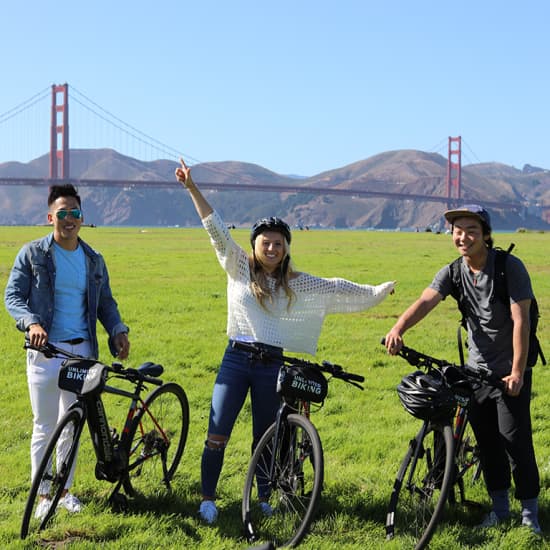
- Golden Gate Bridge Welcome Center — Presidio; midday, ~1 hour. Walk onto the bridge for iconic bay and city views; use an RV-compatible lot or drop-off plan.
- Ferry Building Marketplace — Embarcadero; lunch, ~1.5 hours, approximately $20–45 per person. Browse local vendors and eat along the waterfront.
- San Francisco arrival and RV handoff — designated rental location; afternoon, ~1–2 hours. Return the RV, allowing time for inspection, fuel, waste-tank procedures, and traffic delays.
Morning — Coast to the Marina District
Leave Monterey around 7:00 a.m. via CA-1 north, allowing three hours rather than relying on the nominal drive time. With an RV, avoid detours onto narrow waterfront streets and check the rental company’s San Francisco drop-off instructions before departure. Aim to reach the Palace of Fine Arts around 10:00–10:30 a.m.; spend about 45 minutes circling the lagoon and photographing the rotunda. Parking is easier earlier in the day, but large RV spaces are limited, so use an RV-compatible lot or have one traveler get out while the driver continues to a suitable space.
Late Morning — Presidio and the bridge
From the Palace of Fine Arts, allow 10–15 minutes to reach the Golden Gate Bridge Welcome Center in the Presidio, depending on traffic. The Welcome Center generally opens around 9:00 a.m.; confirm 2027 hours and parking rules before you go, as vehicle-size restrictions and congestion are common. Allow about an hour to walk onto the bridge and take in the bay and city views. Keep valuables out of sight, and remember that bridge sidewalks can be windy and cool even in late April.
Lunch — Ferry Building Marketplace
Continue across town to the Ferry Building Marketplace on the Embarcadero, allowing 20–30 minutes in traffic. Plan lunch here for roughly 1½ hours, with most meals costing $20–45 per person. Vendors such as Hog Island Oyster Co., Cowgirl Creamery, and Gott’s Roadside make it easy for everyone to choose something different; afterward, step outside for a short walk along the waterfront. The marketplace is typically open daily, though individual vendors keep different hours. Do not try to park the RV directly at the building—use the designated handoff plan or an RV-suitable location arranged in advance.
Afternoon — RV handoff
Leave the Ferry Building with a generous traffic buffer for the designated rental return, ideally arriving by early afternoon. Allow one to two hours for refueling, emptying waste tanks, vehicle inspection, paperwork, and possible queueing. Confirm whether the company requires a particular fuel station or dump procedure, and photograph the RV’s condition and fuel gauge before handing over the keys. Once the return is complete, switch to walking, transit, or a taxi rather than attempting to drive into central San Francisco.
No packing list attached yet.