31-Day Tokyo, Thailand, Vietnam, Singapore and Bali Itinerary
Arrival and Tokyo exploration
- Narita Express or Haneda Airport Limousine Bus — airport to Tokyo; afternoon/evening, allow 1–1.5 hours including arrival logistics.
- Shibuya Crossing — Shibuya; evening, ~45 minutes for the crossing and viewpoints.
- Shibuya Sky — Shibuya; evening, ~1.5 hours for sunset and city views.
- Uobei Shibuya Dogenzaka — Shibuya; dinner, ~1 hour, approximately ¥1,500–3,000 per person.
Airport Transfer and Check-in
After landing at Narita Airport, take the Narita Express to Shibuya—about 75–90 minutes, with reserved seats and luggage space—or use the Haneda Airport Limousine Bus, usually around 45–75 minutes depending on traffic and your hotel stop. Allow extra time for immigration, baggage collection, and buying or activating your train ticket; if you arrive late, a taxi is considerably more expensive. Drop your bags at your accommodation, then head straight to Shibuya while you still have some evening energy.
Evening in Shibuya
Start at Shibuya Crossing, ideally from the pavement-level corners first, then walk into Shibuya Scramble Square for the entrance to Shibuya Sky. Your timed ticket is essential—book it ahead, particularly for sunset—and arrive 15–20 minutes early for security and the elevator queue. The open-air rooftop gives you the best first-night panorama of Tokyo, though the rooftop may close temporarily in strong wind or rain; indoor viewing areas remain available. Set aside roughly 45 minutes for Shibuya Crossing and 1½ hours for Shibuya Sky, including the transition between them.
Finish with an easy, lively dinner at Uobei Shibuya Dogenzaka, a popular conveyor-belt sushi restaurant where dishes arrive directly to your counter by high-speed serving lane. It generally stays open late, but queues can build after 7:00 PM, so join the line before you are too hungry; expect about ¥1,500–3,000 per person. From Shibuya Sky, it is a 5–10-minute walk through the busy Dogenzaka streets. Keep the first night relaxed—Tokyo’s scale and jet lag catch up quickly—and use the JR Yamanote Line, Tokyo Metro, or a short taxi ride back to your hotel rather than trying to add another neighborhood.
Tokyo city highlights
- Meiji Jingu — Harajuku; morning, ~1.5 hours amid forested shrine grounds.
- Takeshita Street — Harajuku; late morning, ~1 hour for youth fashion and snacks.
- Nezu Museum — Aoyama; early afternoon, ~1.5 hours combining art and garden.
- Omotesando — Aoyama; afternoon, ~1 hour for architecture and shopping.
- Tsukiji Outer Market — Tsukiji; dinner, ~1.5 hours, approximately ¥2,000–4,000 per person.
Morning
Start early at Meiji Jingu, ideally arriving around 8:00–8:30 AM before the approach becomes busy. From Shibuya, take the JR Yamanote Line one stop to Harajuku; the shrine’s entrance is immediately beside the station. Walk slowly through the cedar forest to the main shrine buildings—allow about 90 minutes, and keep voices low around the worship areas. Entry is free, though bring small coins if you would like to make an offering. Afterward, walk straight to Takeshita Street for an hour of people-watching, vintage clothing, and sweet snacks such as crepes; most shops open around 10:00–11:00 AM, so this works best as a late-morning wander rather than an early stop.
Afternoon
From Harajuku, walk or take the Tokyo Metro Chiyoda Line from Meiji-jingumae to Omote-sando, then continue a few minutes to the Nezu Museum. Plan roughly 90 minutes here, including the calm garden, which is a welcome contrast to Harajuku’s crowds. The museum is generally open from 10:00 AM to 5:00 PM and is usually closed on Mondays; admission is commonly around ¥1,500–2,000, with exhibitions changing periodically. Once outside, spend an unhurried hour along Omotesando, looking at the polished architecture and independent side streets rather than treating it only as a shopping avenue. If you want a coffee break, Koffee Mameya is a good specialist stop, though it is more about carefully brewed coffee than lingering over a full meal.
Evening
Make your way to Tsukiji Outer Market for dinner, taking the Tokyo Metro Ginza Line or a short taxi ride toward Tsukiji; from Omotesando, allow around 25–35 minutes by subway. The market’s individual stalls generally close in the afternoon, but the surrounding restaurants remain a lively dinner option, usually until around 8:00–9:00 PM. Choose a small sushi counter or seafood grill and expect roughly ¥2,000–4,000 per person. After eating, take a quiet walk around the nearby streets and Namiyoke Shrine before returning by the Hibiya Line or taxi. Wear comfortable shoes today—the distances are manageable, but you will spend much of the day on pavement and shrine paths.
Modern Tokyo neighborhoods
- teamLab Borderless — Azabudai Hills; morning, ~2 hours of immersive installations.
- Tokyo Tower — Akasaka; midday, ~1.5 hours for panoramic views.
- Ginza Six — Ginza; afternoon, ~1 hour of design, boutiques, and galleries.
- Kabukiza Theatre — Ginza; late afternoon, ~1 hour for a performance excerpt or exterior tour.
- Ginza Hachigou — Ginza; dinner, ~1 hour, approximately ¥1,500–3,000 per person.
Morning
Start at teamLab Borderless in Azabudai Hills, aiming for the first available entry around 9:00 or 9:30 AM. Allow roughly two hours: the installations are spread across dark, maze-like rooms, and some works change as visitors move through them, so there is no fixed route. Advance timed tickets are essential and commonly cost around ¥4,000–5,000; the closest stations are Kamiyacho and Roppongi-Itchome. Afterward, walk uphill through Azabudai Hills toward Tokyo Tower—about 15 minutes—or take a short taxi if the August heat is oppressive.
Spend late morning and early afternoon at Tokyo Tower, allowing about 90 minutes for the Main Deck and, if you want the higher view, the Top Deck. Tickets are generally around ¥1,200 for the Main Deck, with a supplement for the Top Deck; check the official schedule before going, as timed entry and visibility can vary. The tower is especially good today because it gives you a clear sense of how the modern central districts fit together. For lunch, eat before leaving the area at Tenshan Feiwei near Kamiyacho for dumplings and noodles, or keep it simple with a quick set meal around Azabudai Hills.
Afternoon and Evening
Take the Tokyo Metro Hibiya Line from Kamiyacho to Ginza—about 10 minutes—and spend the afternoon at Ginza Six. Give yourself an hour to browse the design-led shops, small galleries, and the rooftop garden; the building is usually open from around 10:30 AM to 8:30 PM, though individual restaurants and exhibitions differ. From there, walk a few blocks to Kabukiza Theatre on Harumi-dori. Even without a full ticket, you can see the striking exterior and check for same-day single-act tickets, which can sometimes be purchased for a short excerpt at a relatively modest price. The theatre’s small museum and public areas are also worth checking, but schedules change with performances.
Finish at Ginza Hachigou, a tiny, highly sought-after ramen counter known for its refined, limited-serving bowls. Expect roughly ¥1,500–3,000 per person, but confirm its opening days and queue policy before setting out; it does not operate like a conventional late-night restaurant, and portions can sell out. Arrive early rather than treating it as a guaranteed 8:00 PM dinner. If it is already full, enjoy the neon and polished storefronts around Ginza Chuo-dori while waiting, and keep some flexibility for a nearby casual meal.
Historic Tokyo
- Senso-ji — Asakusa; morning, ~1.5 hours at Tokyo’s oldest temple complex.
- Nakamise-dori — Asakusa; late morning, ~45 minutes for traditional snacks and crafts.
- Kappabashi Dougu Street — Asakusa; midday, ~1 hour exploring kitchenware shops.
- Tokyo Skytree — Oshiage; afternoon, ~2 hours for observation decks and views.
- Kirby Café Tokyo — Solamachi; early dinner, ~1 hour, approximately ¥2,000–4,000 per person; reserve ahead.
Morning
Start early at Senso-ji, aiming for about 8:00 AM. The temple grounds are open all day and are noticeably calmer before the tour groups arrive; the main hall generally opens around 6:00 AM, depending on the season. Enter through Kaminarimon Gate, pause beneath the enormous lantern, and walk through the temple precincts toward the hall. Allow around 90 minutes, including time to see Asakusa Shrine just beside the main temple. From Shibuya, take the Tokyo Metro Ginza Line directly to Asakusa Station—roughly 35 minutes—and use the exit signs for Kaminarimon. If you want a small breakfast first, grab a rice ball or sandwich at the station rather than sitting down for a full meal.
Late Morning and Lunch
After the temple, take your time along Nakamise-dori, the covered approach lined with souvenir and snack shops. It becomes busy from late morning, so walk on the left and avoid eating while moving through the crowd. Look for ningyoyaki cakes, freshly baked melon pan, and traditional sweets, but save room for lunch. Continue west toward Kappabashi Dougu Street, about a 15-minute walk from Senso-ji. The kitchenware shops usually open around 9:00 or 10:00 AM and many close around 5:00 or 6:00 PM; allow an hour to browse knives, lacquerware, restaurant signs, and the wonderfully realistic plastic food displays. For a casual lunch nearby, Kappabashi Coffee & Bar is convenient, while Asakusa Imahan is a good choice if you want a more substantial, classic beef meal—expect roughly ¥2,000–5,000 per person depending on what you order.
Afternoon and Early Evening
From Kappabashi Dougu Street, walk back toward Asakusa Station and take the Toei Asakusa Line one stop to Oshiage, around 10 minutes including the station transfer. Spend about two hours at Tokyo Skytree and Tokyo Skytree Tembo Galleria; the lower Tembo Deck is at 350 metres, while the higher gallery reaches 450 metres. Timed tickets are strongly recommended, especially for sunset, and typically cost around ¥2,100–3,500 for adults depending on the deck and booking date. Build in time to wander through Tokyo Solamachi afterward rather than rushing straight to dinner—the complex has food floors, local sweets, and useful shops. Your Kirby Café Tokyo booking should be made well ahead through the official reservation system; dinner takes about an hour and usually costs ¥2,000–4,000 per person. Afterward, take the Hanzomon or Asakusa Line back toward central Tokyo, or simply enjoy the illuminated view of the tower from the plaza before heading home.
Northern Thailand arrival
- Flight from Tokyo to Chiang Mai — Tokyo to Chiang Mai; morning or midday, allow roughly 8–11 hours including connection and airport transfers.
- Chiang Mai Night Bazaar — Chang Khlan; evening, ~1.5 hours for crafts, street food, and souvenirs.
- Lemongrass Thai Cuisine — Chang Khlan; dinner, ~1 hour, approximately ฿250–500 per person.
Morning to Late Afternoon
Take your pre-booked flight from Tokyo to Chiang Mai International Airport, allowing roughly 8–11 hours for the connection and airport transfers. With an early departure, you should arrive in the late afternoon or early evening. After immigration and baggage collection, use a hotel transfer or Grab to Chang Khlan; the airport is only about 10–20 minutes away by car in light traffic. Check in, rest, and keep the evening deliberately easy after the long travel day.
Evening
Around 6:00 PM, walk into the Chiang Mai Night Bazaar along Chang Khlan Road. It is a good first introduction to the city: browse northern Thai textiles, carved wooden pieces, silverwork, and small souvenirs, but compare prices before buying and carry modest cash. The market is generally active from late afternoon until around 10:00–11:00 PM, although individual stalls vary. For a quick snack, look for grilled meats, sausages, and mango sticky rice rather than trying to cover every food stand.
Dinner
Have dinner at Lemongrass Thai Cuisine, also in Chang Khlan, a short walk from the bazaar. Expect about ฿250–500 per person; the restaurant is popular, so arriving around 7:30 PM or calling ahead helps avoid a wait. Order something northern-style if available, such as khao soi, alongside a milder stir-fry or curry. After dinner, return to your hotel on foot or by Grab—this is a night for an early sleep rather than another major outing.
Chiang Mai temples and old town
- Wat Phra Singh — Old City; morning, ~1 hour for Lanna architecture and murals.
- Wat Chedi Luang — Old City; late morning, ~1 hour around the historic chedi.
- Wat Chiang Man — Old City; midday, ~45 minutes at Chiang Mai’s oldest temple.
- Jok Sompet — Old City; lunch, ~45 minutes, approximately ฿100–250 per person.
- Wat Sri Suphan — Wua Lai; afternoon, ~1 hour at the silver temple.
- Sunday Walking Street — Old City; evening, ~2 hours for local food and crafts.
Morning
Begin in the Old City at Wat Phra Singh, arriving around 8:00 AM while the grounds are still quiet. Allow about an hour to admire the Lanna-style roofs, carved details, and murals inside Wihan Lai Kham. Dress modestly—shoulders and knees covered—and remove your shoes before entering the prayer halls. From here, walk roughly 10 minutes east along Ratchadamnoen Road to Wat Chedi Luang, where the immense brick chedi is the centerpiece; budget another hour, and look for the smaller Wat Phan Tao nearby if you have a few spare minutes.
Continue north through the lanes to Wat Chiang Man, Chiang Mai’s oldest temple, about a 15-minute walk from Wat Chedi Luang. Its peaceful courtyard and elephant-supported chedi make it a worthwhile contrast to the larger temple complexes, and 45 minutes is enough. For lunch, walk or take a short songthaew ride to Jok Sompet, a casual local rice-porridge restaurant near the northern Old City moat. Expect simple bowls of jok, eggs, and side dishes for around ฿100–250 per person; it is unfussy, quick, and ideal before the hotter part of the afternoon.
Afternoon and Evening
After lunch, take a red songthaew or Grab south to Wat Sri Suphan in the Wua Lai neighborhood—about 10–15 minutes, traffic permitting. Spend an hour examining the remarkable silverwork on the ordination hall and the surrounding metalwork; the main hall may have access restrictions for some visitors, so treat the exterior as the highlight. Rest at your hotel during the hottest hours, then return toward the Old City for Sunday Walking Street. The market runs along Ratchadamnoen Road from late afternoon into the evening, usually roughly 4:00–10:00 PM, and is best visited after 6:00 PM when more stalls are open and the temperature drops. Wander slowly for about two hours, trying sai ua sausage, khao soi, mango sticky rice, and grilled snacks while browsing handmade textiles, ceramics, and small craft stalls. Bring cash in small notes, expect crowds, and use a meeting point away from the busiest section if you are travelling together.
Chiang Mai mountain surroundings
- Doi Suthep-Pui National Park — mountain west of Chiang Mai; morning, ~3 hours including the drive.
- Wat Phra That Doi Suthep — Doi Suthep; late morning, ~1.5 hours for the temple and city views.
- Bhubing Palace — Doi Suthep; midday, ~1 hour for landscaped gardens.
- Hmong Doi Pui Village — Doi Pui; afternoon, ~1 hour for mountain culture and scenery.
- Khao Soi Khun Yai — Old City; dinner, ~45 minutes, approximately ฿80–180 per person.
Morning
Hire a songthaew, Grab, or private driver for the climb into Doi Suthep-Pui National Park, leaving Chiang Mai around 7:30–8:00 AM. The winding road from the Old City takes roughly 45–60 minutes; a private car is more comfortable, while a red songthaew is usually about ฿600–1,000 round trip if you negotiate a waiting fare. Spend around three hours enjoying the forested mountain roads and viewpoints—bring a light layer, as it is noticeably cooler and often misty above the city. Park fees and attraction charges can vary, so carry small cash.
Continue uphill to Wat Phra That Doi Suthep, the golden temple reached by its famous Naga staircase. Allow about 1½ hours to climb or use the small cable car, explore the terrace, and look for clear views across Chiang Mai from the eastern side. Dress modestly and remove shoes before entering the main shrine. From there, it is a short drive to Bhubing Palace; allow around an hour for the landscaped gardens. Opening hours can change, and the gardens are sometimes closed on selected days, so check locally before setting out; expect roughly ฿100 for foreign visitors.
Afternoon and Evening
Continue to Hmong Doi Pui Village, another 20–30 minutes farther along the mountain road. Spend about an hour browsing the small market, trying locally grown coffee or fruit, and walking toward the village viewpoint. This is a working community rather than a staged attraction, so ask before photographing residents and avoid buying wildlife or protected-plant products. Return to the Old City by late afternoon; the descent can take well over an hour in traffic, so leave the mountain by about 3:00 PM.
For dinner, settle in at Khao Soi Khun Yai near the northwestern edge of the Old City, a straightforward local shop known for rich northern-style khao soi. It usually operates from late morning into the afternoon or early evening, but hours can be unpredictable, so arrive around 5:00 PM rather than leaving it too late. A bowl generally costs about ฿80–180, and the small restaurant may close once the day’s food sells out.
Bangkok arrival
- Flight from Chiang Mai to Bangkok — Chiang Mai to Bangkok; morning, allow ~4 hours including airport transfers.
- Jim Thompson House Museum — Pathum Wan; afternoon, ~1.5 hours of Thai art and architecture.
- Bangkok Art and Culture Centre — Pathum Wan; late afternoon, ~1 hour of contemporary exhibitions.
- Siam Paragon — Siam; early evening, ~1 hour for shopping and the food hall.
- Thipsamai Pad Thai — Samran Rat; dinner, ~1 hour, approximately ฿150–300 per person.
Morning to Early Afternoon
Take your pre-booked morning flight from Chiang Mai International Airport to Bangkok, allowing roughly four hours door to door once airport transfers, check-in, and baggage are included. Because flights may arrive at either Suvarnabhumi Airport or Don Mueang Airport, check the airport carefully before arranging your onward ride. After landing, go straight to Pathum Wan by Airport Rail Link or taxi/Grab; allow extra time for Bangkok traffic. Have lunch near the museum district if needed, but keep the afternoon fairly light after the travel morning.
Begin at Jim Thompson House Museum, a peaceful teak-house compound tucked among gardens near National Stadium. Allow about 1½ hours for the guided house tour and the collection of Southeast Asian art; tours are generally offered during daytime opening hours, with the museum typically open from around 10:00 AM to 5:00 PM. Admission is approximately ฿200–300. From there, it is a short walk to the Bangkok Art and Culture Centre, an easygoing contemporary gallery with rotating exhibitions arranged around a bright central atrium. It usually opens from late morning into the evening and is often free, though special exhibitions may charge separately.
Early Evening and Dinner
Walk or take a short BTS ride from National Stadium to Siam Paragon for an hour of air-conditioned browsing and a break from the heat. The basement Gourmet Eats food hall is useful for a quick snack or drink, while the upper floors are best for window-shopping rather than a full meal. From Siam, take a taxi or Grab toward Samran Rat—the trip is usually 15–30 minutes, depending heavily on traffic, so leave before the evening rush becomes severe.
Finish at Thipsamai Pad Thai near Democracy Monument, one of Bangkok’s longtime pad-thai specialists. Expect a short queue at busy times and roughly ฿150–300 per person; the orange-juice-and-shrimp version is the famous order, though the simpler dishes are perfectly satisfying. The restaurant is generally open into the evening, but hours can change, so check on the day. After dinner, wander briefly around Maha Chai Road and the illuminated old-city streets before returning by Grab or taxi—this is more convenient than trying to connect back to the BTS network late at night.
Historic Bangkok
- The Grand Palace — Rattanakosin; morning, ~2 hours; dress respectfully and arrive early.
- Wat Phra Kaew — Grand Palace complex; late morning, ~1 hour for the Emerald Buddha temple.
- Wat Pho — Rattanakosin; midday, ~1.5 hours for reclining Buddha and massage tradition.
- The Deck by Arun Residence — Tha Tien; lunch, ~1 hour, approximately ฿500–1,000 per person.
- Wat Arun — Thon Buri riverside; afternoon, ~1.5 hours for the riverside prang.
- Chao Phraya River evening ferry — river piers; evening, ~1 hour for illuminated waterfront views.
Morning
Start early at The Grand Palace, ideally arriving around 8:00 AM, before the heat and tour groups build up. Take the MRT to Sanam Chai, then walk about 10 minutes through Rattanakosin; taxis and tuk-tuks often struggle with traffic and road closures around the palace. The complex usually opens at 8:30 AM, and admission is approximately ฿500. Allow around two hours, including security and the time needed to appreciate the royal courtyards and ceremonial buildings. Wear trousers or a skirt below the knees and cover your shoulders—strict dress rules are enforced, with limited cover-up options available at the entrance.
Stay inside the complex for Wat Phra Kaew, the Temple of the Emerald Buddha, late in the morning. Allow roughly an hour for the temple buildings and murals, and remember that photography is restricted inside the main chapel. From there, walk about 10–15 minutes south to Wat Pho, where the reclining Buddha and quieter courtyards make a good contrast to the palace. Entry is approximately ฿300, and an hour to 90 minutes is comfortable. If you want to try the temple’s traditional massage school, book as soon as you arrive; otherwise, simply enjoy the tiled stupas and shaded walkways.
Lunch and Afternoon
For lunch, walk to The Deck by Arun Residence in Tha Tien, a short distance from Wat Pho. Reserve ahead if you want a riverside table, particularly for a view toward Wat Arun; expect approximately ฿500–1,000 per person. Keep lunch leisurely, since the riverside is hottest in the middle of the day. Afterward, take the short cross-river ferry from Tha Tien Pier to Wat Arun—the crossing takes only a few minutes and costs a small cash fare, usually around ฿5. Spend about 90 minutes exploring the steep central prang and riverside terraces. The temple generally remains open into the early evening, but the narrow steps can be slippery, so wear secure footwear.
Evening
As the temperature drops, take an evening ride on the Chao Phraya River evening ferry for around an hour. From Wat Arun, cross back to Tha Tien or continue by local boat toward Sathorn Pier, depending on the service operating that evening; check the pier signs before boarding, as tourist-boat routes and flags differ. The illuminated temples, bridges, and riverside hotels are especially atmospheric after dark. Bring small cash, keep phones and wallets secure near the open boat edges, and avoid relying on the last service if you plan to stay out late—use a Grab for the final journey instead.
Bangkok neighborhoods
- Pak Khlong Talat — Old Town; morning, ~1 hour at Bangkok’s flower market.
- Talat Noi — Chinatown riverside; late morning, ~1.5 hours for murals, shrines, and old lanes.
- Nang Leong Market — Pom Prap; lunch, ~1 hour, approximately ฿100–250 per person.
- Wat Saket — Golden Mount; afternoon, ~1 hour for elevated city views.
- Chinatown Yaowarat Road — Chinatown; evening, ~2 hours of street-food stalls and neon-lit lanes.
Morning
Start at Pak Khlong Talat, Bangkok’s flower market, around 7:00–8:00 AM. It operates around the clock, but the early morning is when deliveries arrive and the market feels most animated; expect buckets of orchids, marigolds, roses, and jasmine garlands being sorted for temples and ceremonies. Allow about an hour to wander through the covered lanes. From central Bangkok, the easiest approach is a taxi or Grab, though the nearest MRT station, Sanam Chai, is a useful option if you are staying near the riverside. There is no entrance fee, but keep your belongings close in the busy aisles.
Take a Grab or taxi north toward Talat Noi, allowing roughly 15–25 minutes depending on traffic. Spend about 1½ hours walking slowly through the old riverside lanes around Charoen Krung Road and Soi Wanit 2, looking for painted walls, Chinese shrines, weathered shophouses, and small workshops. This is a neighborhood for exploring rather than ticking off sights, so wear shoes with a good grip and duck into Chow Sue Kong Shrine if it is open. The lanes are narrow and uneven, and many businesses close for part of the afternoon, making late morning a good window.
Lunch and Afternoon
Continue by taxi or Grab to Nang Leong Market in Pom Prap, usually 15–25 minutes from Talat Noi. Arrive around noon for a relaxed local lunch; allow about an hour and budget ฿100–250 per person. Look for ready-to-eat dishes such as braised pork, noodles, curries, grilled meats, and traditional Thai sweets, choosing whichever stall has the strongest lunchtime crowd. Seating is casual, and some vendors may finish early, so do not leave this stop too late.
After lunch, take a short Grab or taxi ride to Wat Saket, aiming for approximately 2:00–3:00 PM. The climb to the Golden Mount involves roughly 300 steps, but it is manageable at an unhurried pace and the breeze improves near the top. The temple complex generally opens from early morning until around 7:00 PM, with a small entrance fee of about ฿50 for foreign visitors; dress respectfully and remove shoes where required. Give yourself an hour for the climb, shrine, and panoramic views over Bangkok’s older neighborhoods.
Evening
Finish on Chinatown Yaowarat Road, arriving around 5:30–6:00 PM before the main dinner rush. From Wat Saket, a taxi or Grab is simplest, though traffic can be slow; leave extra time rather than trying to walk the whole way in the heat. Spend two hours moving between the illuminated food stalls and side lanes, sampling grilled seafood, peppery noodle soups, roast meats, and Chinese-Thai sweets. The busiest stretch is along Yaowarat itself, while Soi Texas and the lanes around Sampeng Market offer a slightly more exploratory feel. Most stalls are cash-only, portions are often easy to share, and arriving early gives you a better chance of finding stools before the crowds build.
Southern Thailand escape
- Flight from Bangkok to Phuket — Bangkok to Phuket; morning, allow ~4 hours including airport transfers.
- Phuket Old Town — Phuket Town; afternoon, ~2 hours for Sino-Portuguese streets and cafés.
- Thai Hua Museum — Phuket Old Town; late afternoon, ~1 hour of local history.
- Lock Tien Food Court — Phuket Old Town; dinner, ~1 hour, approximately ฿150–350 per person.
Morning to Early Afternoon
Take your pre-booked morning flight from Bangkok to Phuket, allowing about four hours door to door once the airport transfer, check-in, flight, baggage collection, and taxi into town are included. Phuket International Airport is roughly 30–45 minutes from Phuket Old Town in light traffic, though the airport road can be much slower later in the day. Leave your bags at your hotel, then have a quick local lunch before exploring; the Old Town is compact and best enjoyed on foot rather than by trying to park on its narrow streets.
Afternoon Exploring
Spend around two hours wandering Phuket Old Town, beginning along Thalang Road and continuing through Soi Romanee, Dibuk Road, and Krabi Road. The Sino-Portuguese shophouses are most photogenic in the softer afternoon light, and the side lanes are full of small cafés, fabric shops, and old mansions. Stop at Thai Hua Museum in the former Chinese-language school, usually open roughly 9:00 AM–5:00 PM with admission around ฿200; allow an hour for its exhibits on Phuket’s Chinese immigrant communities, tin-mining history, and Peranakan culture. Most of the walking is flat, but the heat is persistent, so carry water and duck into a café during the hottest part of the afternoon.
Evening
Finish at Lock Tien Food Court, one of the easiest places in the Old Town to sample southern Phuket dishes without committing to a formal restaurant. Look for local favourites such as Hokkien mee, oh tao, pork satay, and crispy spring rolls; a satisfying meal generally costs about ฿150–350 per person. It is casual and stalls may close once dishes sell out, so aim to arrive around 6:00 PM rather than much later. After dinner, take a short stroll back along Thalang Road as the shophouses light up, then use Grab or a hotel taxi to your accommodation—allow extra time if you are staying near the western beaches, where evening traffic can be surprisingly heavy.
Phuket coastal day
- Nai Harn Beach — Rawai; morning, ~2 hours for swimming and relaxation.
- Promthep Cape — Rawai; midday, ~45 minutes for southern-coast views.
- Big Buddha Phuket — Nakkerd Hill; afternoon, ~1.5 hours for panoramic scenery.
- Karon Viewpoint — Kata–Karon hills; late afternoon, ~30 minutes for three-bay views.
- One Chun Cafe & Restaurant — Phuket Old Town; dinner, ~1 hour, approximately ฿300–600 per person.
Morning
Hire a car with a driver or use Grab for the day—this route crosses Phuket’s southern and western hills, and arranging return transport from One Chun Cafe & Restaurant is easier than relying on a single ride. Start around 8:00 AM at Nai Harn Beach, one of the island’s most pleasant swimming beaches. Spend about two hours on the sand and in the water; arrive early for easier parking and calmer conditions. The beach is free, though you’ll pay roughly ฿100–200 for a chair or umbrella if available. Swim only where lifeguards indicate, particularly during September’s southwest monsoon when waves and currents can be strong.
From Nai Harn Beach, it is about 10–15 minutes by car to Promthep Cape. Walk out toward the viewpoint and lighthouse area for broad views over the southern islands, allowing around 45 minutes. Midday is hot and exposed, so bring water and a hat; the famous sunset is busier, but the daytime panorama is much more relaxed. Continue north for roughly 30–40 minutes to Big Buddha Phuket on Nakkerd Hill. The hilltop offers sweeping views across Chalong and the southern coast, and the visit takes about 1½ hours including the approach and temple grounds. Dress respectfully with shoulders and knees covered, remove shoes where requested, and check locally before setting out because access can occasionally be restricted by weather or site conditions.
Late Afternoon and Dinner
Descend toward Karon Viewpoint, around 25–35 minutes away depending on traffic. Stop for about 30 minutes to look across Kata Noi, Kata, and Karon bays; late afternoon gives softer light and usually less heat than midday. The roadside viewpoint is free, but parking is limited, so don’t linger in the traffic lane. From there, allow 30–45 minutes to reach Phuket Old Town, with extra time during the evening rush. Finish at One Chun Cafe & Restaurant for southern Thai food in a characterful Sino-Portuguese shophouse. Plan on roughly ฿300–600 per person; specialties such as crab curry, moo hong, and local vegetable dishes are worth sharing. It is popular, so arrive before the main dinner rush or expect a wait, and check the restaurant’s current hours before leaving Karon Viewpoint.
Vietnam arrival in Ho Chi Minh City
- Flight from Phuket to Ho Chi Minh City — Phuket to Ho Chi Minh City; morning, allow ~5–7 hours including airport logistics.
- Nguyen Hue Walking Street — District 1; evening, ~1 hour for central-city atmosphere.
- Bitexco Financial Tower Saigon Skydeck — District 1; sunset, ~1 hour for skyline views.
- Banh Mi Huynh Hoa — District 1; dinner, ~30 minutes, approximately ₫50,000–100,000 per person.
Morning to Late Afternoon
Take your pre-booked morning flight from Phuket to Tan Son Nhat International Airport, allowing roughly five to seven hours in total for the airport transfer, international check-in, flight, immigration, baggage collection, and the trip into central Ho Chi Minh City. From the airport, a Grab car to District 1 usually takes 25–60 minutes depending on traffic; use the official pickup zone and avoid unmetered drivers. Check in, leave your luggage, and take a short break—this is not a day to force in a museum after the flight.
Evening
Once the heat softens, head to Nguyen Hue Walking Street in District 1 for an easy first stroll through the city center. The broad boulevard runs from Ho Chi Minh City Hall toward the Saigon River and is liveliest after sunset, when families, students, and street performers gather. From here, walk or take a short Grab ride to Bitexco Financial Tower Saigon Skydeck. Aim to arrive 30–45 minutes before sunset; the observation deck is generally open until around 9:30 PM, but check the current closing time and sunset slot when booking. Tickets are typically about ₫250,000–300,000, and the views are especially good as the river, motorbike traffic, and office towers begin to light up.
Dinner
Finish at Banh Mi Huynh Hoa, a famous counter-service shop on Le Thi Rieng Street, for a richly filled Vietnamese baguette—expect roughly ₫50,000–100,000 per person. It can be crowded, and the shop’s hours sometimes change, so check before setting out; takeaway is the practical choice. The sandwich is substantial, so order one each rather than adding several sides, then return to your hotel by Grab. Keep your first night deliberately light: traffic is intense, crossings require patience, and the combination of tropical heat and travel fatigue catches up quickly.
Ho Chi Minh City heritage
- War Remnants Museum — District 3; morning, ~2 hours of Vietnam War history.
- Independence Palace — District 1; midday, ~1.5 hours touring preserved government rooms.
- Saigon Central Post Office — District 1; afternoon, ~30 minutes for its colonial interior.
- Notre-Dame Cathedral Basilica of Saigon — District 1; afternoon, ~20 minutes for the exterior and square.
- Cuc Gach Quan — District 1; dinner, ~1.5 hours, approximately ₫300,000–600,000 per person.
Morning
Start at the War Remnants Museum in District 3 when it opens, usually around 7:30 AM; arriving early makes the difficult but important exhibits easier to take in before the tour groups arrive. Allow about two hours. The museum focuses heavily on the Vietnam War and its aftermath, with graphic photography and outdoor military displays, so give yourself time afterward rather than rushing straight into the next sight. From here, Independence Palace is a 10–15-minute walk or a short Grab ride; walking is pleasant in the cooler morning, but use a ride if the heat is already intense. Entry to the museum is roughly ₫40,000, while the palace is around ₫40,000–65,000 depending on the ticket option.
Midday and Afternoon
Spend about 90 minutes inside Independence Palace, formerly the seat of South Vietnam’s government. The preserved reception rooms, command center, rooftop helicopter pad, and underground tunnels give the building a distinctly frozen-in-time atmosphere. For lunch, eat nearby rather than making a detour—Banh Mi Huynh Hoa is a famous, filling option, though the queue can be long and portions are substantial. Then walk toward Saigon Central Post Office, about 15 minutes away through District 1; the grand colonial interior is still a working post office, and 30 minutes is enough to admire the vaulted hall and send a postcard. Continue across the square to Notre-Dame Cathedral Basilica of Saigon for its exterior and surrounding Paris Commune Square. The cathedral has been under restoration, so access may be limited; treat this as a brief architectural stop rather than planning on entering.
Evening
After a slower wander through District 1, take a Grab to Cuc Gach Quan for dinner—allow roughly 10–20 minutes depending on traffic, and check the restaurant’s current opening hours before leaving because schedules can change. This atmospheric restaurant occupies an old house and serves home-style Vietnamese dishes such as caramelized pork, vegetable plates, clay-pot preparations, and rice; ordering several dishes to share works better than choosing one large main per person. Budget around ₫300,000–600,000 per person. The restaurant is popular, so reserve if possible, particularly for dinner; after eating, return by Grab rather than walking long distances in the humid evening traffic.
Mekong Delta gateway
- Bus or private transfer from Ho Chi Minh City to Can Tho — Mekong Delta; early morning, allow ~3.5–4.5 hours.
- Can Tho riverside promenade — Ninh Kieu; late afternoon, ~1 hour for waterfront views.
- Ninh Kieu Wharf — Ninh Kieu; evening, ~1 hour for river activity and local atmosphere.
- Banh Xeo Muoi Xiem — Can Tho; dinner, ~1 hour, approximately ₫100,000–250,000 per person.
Morning to Early Afternoon
Take your pre-booked limousine bus from District 1 around 7:00 AM, allowing 3.5–4.5 hours to reach Can Tho. Services such as Futa Bus commonly include a shuttle connection to your hotel or the city center; confirm the drop-off point when booking through Vexere. Keep a small bag of snacks and water with you, as the route includes a rest stop and arrival times can shift with traffic. Once in Can Tho, check in or leave your luggage at the hotel, then take a slow afternoon—this is a good place not to over-plan after the road journey.
Late Afternoon and Evening
Around 4:30 PM, walk along the Can Tho riverside promenade beside the Hau River, allowing about an hour as the heat eases. The waterfront is at its most pleasant near sunset, with locals exercising, families gathering, and boats moving between the banks; stop for a cold sugar-cane drink or Vietnamese coffee from one of the small vendors. Continue naturally toward Ninh Kieu Wharf, where the riverfront becomes livelier after dark. Spend about an hour watching the working boats and evening lights, but skip the more touristy river-cruise touts unless you specifically want a short ride.
For dinner, take a short taxi or Grab ride to Banh Xeo Muoi Xiem, known for crisp southern-style bánh xèo filled with shrimp, pork, and bean sprouts. Expect roughly ₫100,000–250,000 per person; portions are best shared and wrapped in lettuce and herbs with the accompanying dipping sauce. Check the restaurant’s current hours before setting out, as local eateries can close between meal periods or sell out early. After dinner, return to your hotel and prepare for an early start tomorrow—the floating-market boats leave before sunrise.
Central Vietnam arrival
- Cai Rang Floating Market — Can Tho; early morning, ~2.5 hours by boat, departing around 5:30 AM.
- Can Tho Museum — central Can Tho; late morning, ~1 hour of regional history.
- Flight from Can Tho to Da Nang — Can Tho to Da Nang; afternoon, allow ~5–7 hours including airport transfers.
- My Khe Beach — Da Nang; evening, ~1 hour for a coastal walk.
- Bep Hen Vietnamese Restaurant — Da Nang; dinner, ~1 hour, approximately ₫150,000–300,000 per person.
Early Morning
Be at Ninh Kieu Wharf around 5:15 AM for your pre-arranged boat to Cai Rang Floating Market. The market is most lively just after sunrise, when small boats sell pineapples, coffee, noodles, and breakfast directly from the water. Allow about 2½ hours for the round trip, including the ride through the quieter canals; a private boat typically costs roughly ₫600,000–1,200,000 for the boat rather than per person. Bring cash, mosquito repellent, and a light rain layer—the river can feel surprisingly cool before sunrise. Have a simple bowl of hủ tiếu or a Vietnamese coffee from one of the floating vendors, but check the price before ordering.
Late Morning
After returning to the wharf, take a short Grab ride to Can Tho Museum, usually around 10–15 minutes depending on traffic. Spend about an hour looking through its displays on the Mekong Delta’s Khmer, Chinese, and Vietnamese communities, regional agriculture, and wartime history. Admission is generally free, though opening hours can vary, so confirm locally before setting out. Keep the rest of the morning easy: return to your hotel for luggage, a shower, and an early lunch near Ninh Kieu before leaving for the airport. Allow at least 60–90 minutes for the transfer to Can Tho International Airport, plus the airline’s check-in time; afternoon flights are the sensible choice after the market.
Evening
Once you arrive in Da Nang, check in and take a Grab to My Khe Beach for an unhurried coastal walk. The beach is particularly pleasant around sunset, when locals come out for exercise and the wide promenade is cooler than the city streets. Keep valuables close and avoid swimming after dark, as the water is not always supervised in the evening. From the beach, a short ride inland brings you to Bep Hen Vietnamese Restaurant for dinner. Expect approximately ₫150,000–300,000 per person for home-style Vietnamese dishes; order a few plates to share, such as caramelized fish, sautéed morning glory, or clay-pot pork. Because this is your arrival night, keep the evening relaxed and leave the more ambitious Da Nang sightseeing for tomorrow.
Hoi An old town
- Transfer from Da Nang to Hoi An — coastal route; morning, allow ~1 hour.
- Hoi An Ancient Town — Hoi An; late morning, ~2 hours through heritage lanes.
- Japanese Covered Bridge — Ancient Town; midday, ~30 minutes for Hoi An’s iconic bridge.
- Central Market Hoi An — riverside market; lunch, ~1 hour, approximately ₫80,000–180,000 per person.
- An Bang Beach — Hoi An coast; afternoon, ~2 hours for swimming and cafés.
- Hoi An Lantern Market — Ancient Town; evening, ~1.5 hours after dark.
Morning
Leave Da Nang around 8:00 AM by pre-booked car or Grab, taking the coastal route toward Hoi An. The drive usually takes 45–75 minutes, depending on traffic; ask the driver to drop you near the pedestrian area around Tran Phu Street, rather than directly beside the river, where access can be restricted. Spend the late morning wandering Hoi An Ancient Town for about two hours, following the ochre heritage lanes around Nguyen Thai Hoc Street and Tran Phu Street. Most historic buildings open from roughly 9:00 AM, with combined heritage tickets costing about ₫120,000; wear light clothing and carry water, as the old town becomes hot by midday.
Lunch and Afternoon
Continue to the Japanese Covered Bridge, a short walk away, and allow around 30 minutes for photographs and the surrounding lanes. The bridge is one of the town’s defining landmarks, though restoration work or access restrictions can occasionally affect the interior. For lunch, make your way to Central Market Hoi An beside the river. Look for local dishes such as cao lầu, white rose dumplings, and bánh mì; budget approximately ₫80,000–180,000 per person, and choose a busy stall where food is being cooked continuously. After lunch, take a Grab or taxi about 10 minutes to An Bang Beach. Spend the afternoon swimming or relaxing at a beachfront café—two hours is enough for a pleasant break, and the sea is generally calmer earlier in the day. Keep valuables close and agree on a pickup point if your driver is waiting.
Evening
Return to the center before dusk and allow the streets around Nguyen Phuc Chu Street and the riverfront to transform as the Hoi An Lantern Market comes alive after dark. Browse silk lanterns, small souvenirs, and street snacks for around 1½ hours; prices are negotiable, but compare a few stalls before buying. A short boat ride on the Thu Bon River is optional, though walking is often more enjoyable and avoids the busiest embarkation points. For dinner, settle into one of the riverside restaurants or quieter lanes just west of the market, then return to your accommodation by foot or Grab—cars may be unable to enter the pedestrian core in the evening.
Hue imperial heritage
- Transfer from Hoi An to Hue via Hai Van Pass — central coast; morning, allow ~4–5 hours with scenic stops.
- Imperial City of Hue — Citadel; afternoon, ~2.5 hours among the Nguyen dynasty monuments.
- Dong Ba Market — Perfume River; late afternoon, ~1 hour for snacks and local goods.
- Madam Thu Restaurant — Hue center; dinner, ~1 hour, approximately ₫150,000–300,000 per person.
- Truong Tien Bridge — Perfume River; evening, ~30 minutes for illuminated river views.
Morning: Hai Van Pass to Hue
Leave Hoi An around 8:00 AM in a private car, allowing four to five hours to reach Hue with stops. The scenic route over the Hai Van Pass is the reason to choose a car rather than a direct train or bus: pause at the summit for sweeping views of the coast, and, if weather and timing allow, stop briefly at Lang Co Beach or the Lap An Lagoon. Keep your luggage in the trunk and confirm that the driver is quoting a full-day transfer, including the pass and drop-off at your Hue hotel. You should arrive around lunchtime; leave larger bags at the hotel and continue straight to the Citadel.
Afternoon: Imperial Hue and Dong Ba Market
After a quick lunch, spend roughly two and a half hours inside the Imperial City of Hue, entering through Ngo Mon Gate and following the central axis toward the ceremonial halls and the quieter garden courtyards. The complex is extensive and exposed, so carry water, wear a hat, and avoid rushing between every gate and ruin. Opening times are generally around 8:00 AM–5:30 PM, with admission commonly about ₫200,000 per adult; check the current ticket arrangement at the entrance. From the Citadel, a 10-minute taxi or Grab ride—or about 20 minutes on foot—brings you to Dong Ba Market on the Perfume River. Allow an hour to browse woven goods, conical hats, spices, and local sweets, while sampling small snacks such as bánh bèo or sesame-coated bánh lọc. It is busiest in the afternoon, so keep valuables secure and agree on a taxi fare only if you are not using a meter or app.
Evening: Dinner and the Perfume River
Have dinner at Madam Thu Restaurant in central Hue, where a set of regional dishes is an easy way to try several specialities without ordering too much; budget approximately ₫150,000–300,000 per person. Reserve or arrive before 7:00 PM, as the compact dining room fills quickly. Afterwards, walk about 10 minutes toward the Truong Tien Bridge for a relaxed view of its illuminated arches reflected in the Perfume River. The bridge is best enjoyed after the heat drops, and the riverfront promenade gives you room to wander without committing to a boat cruise. Hue’s evening pace is gentle, so use this as a short final stop rather than trying to add another attraction.
Hanoi arrival
- Flight from Hue to Hanoi — Hue to Hanoi; morning, allow ~4–5 hours including airport transfers.
- Temple of Literature — Dong Da; afternoon, ~1.5 hours among Vietnam’s first university grounds.
- Ho Chi Minh Mausoleum exterior and Ba Dinh Square — Ba Dinh; late afternoon, ~1 hour.
- Bun Cha Huong Lien — Hai Ba Trung; dinner, ~1 hour, approximately ₫100,000–200,000 per person.
Morning to Early Afternoon
Take your pre-booked morning flight from Hue to Hanoi, allowing roughly four to five hours door to door, including the transfer from Hue to Phu Bai Airport, check-in, the flight, baggage collection, and the journey into the city. A late-morning arrival is realistic, so leave your luggage at your hotel and have a quick lunch nearby rather than trying to fit in a major sight before checking in. From central Hanoi, a Grab to Dong Da usually takes 15–30 minutes depending on traffic.
Afternoon
Begin at the Temple of Literature, ideally around 2:00 PM, when you can explore at an unhurried pace for about 1½ hours. This beautifully preserved complex of courtyards, gateways, gardens, and stone stelae was founded in 1070 and later became Vietnam’s first national university. The entrance fee is generally around ₫70,000, and the grounds are particularly pleasant after the worst midday heat has passed. Wear clothing that covers your shoulders and knees, and take time to look beyond the central courtyards at the quieter garden corners. From here, a 10–15-minute Grab ride brings you to Ba Dinh Square.
Late Afternoon and Evening
Walk around Ba Dinh Square and view the exterior of the Ho Chi Minh Mausoleum for about an hour. The broad ceremonial square is most atmospheric in the late afternoon, when the surrounding flag-lined space begins to cool; the mausoleum itself is generally closed in the afternoon, so treat this as an exterior visit rather than expecting entry. Nearby roads can be restricted during ceremonies, and security staff may ask visitors to keep moving or dress respectfully. Continue by Grab toward Hai Ba Trung, allowing 15–25 minutes, and have dinner at Bun Cha Huong Lien, the modest restaurant made famous by Barack Obama’s visit. Order the classic bun cha with grilled pork, rice noodles, herbs, and dipping broth; expect roughly ₫100,000–200,000 per person. It is worth arriving before 6:00 PM or accepting a short wait, as the small dining rooms fill quickly.
Hanoi old quarter
- Hoan Kiem Lake — Old Quarter; morning, ~1 hour for a lakeside walk.
- Ngoc Son Temple — Hoan Kiem Lake; morning, ~45 minutes on the lake island.
- St. Joseph’s Cathedral — Old Quarter; late morning, ~30 minutes for the Gothic landmark.
- Dong Xuan Market — Old Quarter; midday, ~1 hour of wholesale-style market browsing.
- Banh Mi 25 — Old Quarter; lunch, ~45 minutes, approximately ₫80,000–180,000 per person.
- Thang Long Water Puppet Theatre — Hoan Kiem; evening, ~1 hour for a traditional performance.
Morning
Begin at Hoan Kiem Lake around 7:30–8:00 AM, when local residents are out exercising and the lakeside is much calmer than later in the day. Walk the full eastern and northern edge—about an hour at an easy pace—watching tai chi groups and badminton games around the water. Continue to Ngoc Son Temple, reached via the red The Huc Bridge on the lake’s island. Allow 30–45 minutes; the temple usually opens around 8:00 AM, with entry about ₫30,000. Dress respectfully, and keep small cash handy.
From the lake, walk roughly 10 minutes through the Old Quarter to St. Joseph’s Cathedral. The Gothic façade is especially atmospheric in the late morning, and the surrounding Nha Chung Street cafés are good for a quick Vietnamese coffee if you need a break. Then continue north through the narrow streets to Dong Xuan Market, approximately 15 minutes on foot. Spend about an hour browsing its dense stalls of clothing, household goods, dried foods, and snacks; it is more of a working wholesale market than a polished tourist attraction, so keep your belongings secure and expect some aisles to be crowded.
Lunch and Afternoon
Walk back south toward Banh Mi 25 for lunch, allowing around 15 minutes from Dong Xuan Market. The sandwiches are inexpensive—roughly ₫80,000–180,000 per person depending on drinks and extras—and the small seating area can fill quickly, so ordering takeaway is often simplest. After lunch, leave the afternoon deliberately open for wandering around Hang Ma Street, Ta Hien Street, and the quieter lanes near Bach Ma Temple; this is a good time to return to the hotel for a rest, particularly in Hanoi’s August heat and humidity.
Evening
Return to Thang Long Water Puppet Theatre beside Hoan Kiem Lake for an evening performance, usually around 5:20, 6:30, 8:00, or 8:45 PM depending on the schedule. The show lasts about an hour, and tickets commonly cost ₫100,000–200,000; book ahead through the theatre or a reputable ticket platform because popular time slots sell out. Arrive 20–30 minutes early for collection and seating. The puppets moving across the water, accompanied by live traditional music, make this one of Hanoi’s most distinctive evening experiences. Afterward, you can finish with a quiet walk around the illuminated lake or dinner nearby—Bun Cha Huong Lien is well known, but check its current hours and allow extra time if it is busy.
Hanoi cultural neighborhoods
- Vietnam Museum of Ethnology — Cau Giay; morning, ~2 hours of regional cultural exhibits.
- West Lake — Tay Ho; midday, ~1 hour along the waterfront.
- Tran Quoc Pagoda — West Lake; early afternoon, ~1 hour at Hanoi’s oldest pagoda.
- Phở Cuốn Hương Mai — Truc Bach; lunch, ~1 hour, approximately ₫100,000–250,000 per person.
- Train Street — Old Quarter edge; late afternoon, ~1 hour; visit only through an authorized café.
- Tạ Hiện Street — Old Quarter; evening, ~1.5 hours for casual nightlife and street food.
Morning
Start at the Vietnam Museum of Ethnology in Cau Giay, ideally around 8:30–9:00 AM. The museum usually opens at 8:30 AM and admission is modest—roughly ₫40,000–60,000—while two hours gives you enough time for the indoor galleries and outdoor traditional houses without rushing. From the Old Quarter, a Grab takes about 25–40 minutes depending on traffic; leave earlier than you think, as Hanoi’s morning congestion can be slow. The exhibits are particularly good for understanding Vietnam’s many ethnic groups, with textiles, house styles, farming tools, and ceremonial objects presented far more clearly than in many smaller museums.
Take a Grab toward West Lake and spend the middle of the day walking along the Tay Ho waterfront, allowing about an hour at an easy pace. This is a good point to slow down: the lake is broad and breezy, and the café-lined streets feel noticeably more residential and contemporary than the Old Quarter. Continue to Tran Quoc Pagoda, on the narrow causeway at the southeastern edge of the lake. Entry is free, but shoulders and knees should be covered; allow around an hour, and remember that the pagoda generally closes for a midday break, so arriving around 1:30–2:00 PM is safer than trying to visit immediately after lunch.
Lunch and Afternoon
For lunch, head a short distance to Phở Cuốn Hương Mai in Trúc Bạch, where the specialty is soft rice-paper rolls wrapped around beef, herbs, and noodles rather than the usual soup pho. Expect roughly ₫100,000–250,000 per person depending on drinks and side dishes. From Tran Quoc Pagoda, a Grab or taxi usually takes 10–15 minutes. After eating, leave time for a rest or a slow café stop before heading toward Train Street at the edge of the Old Quarter. Visit only via an authorized café or clearly managed entrance—access rules change, and unofficial approaches may be blocked. The railway is active, so never walk on the tracks or treat a passing train as a photo opportunity; an hour is plenty for the atmosphere and a drink.
Evening
Finish around Tạ Hiện Street, where the Old Quarter becomes lively after sunset with tiny plastic stools, cold beer, grilled snacks, and casual Vietnamese dishes. It is busiest from about 6:00 PM onward, but you do not need to commit to one restaurant—wander the surrounding lanes and choose a busy stall with good turnover. Keep phones and wallets secure in the crowds, and agree on a meeting point if you split up. From Train Street, Tạ Hiện is roughly a 15–20-minute walk or a short Grab ride; expect noise, heat, and very limited seating, but it is an entertaining way to end the day.
Singapore arrival
- Flight from Hanoi to Singapore — Hanoi to Singapore; morning, allow ~6–8 hours including airport logistics.
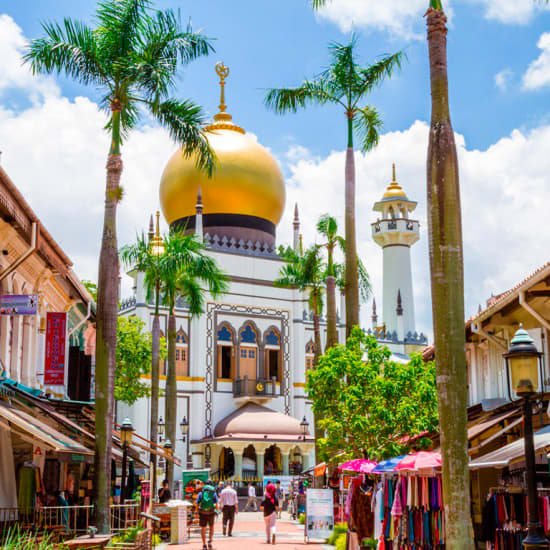
- Merlion Park — Marina Bay; evening, ~45 minutes for the classic skyline viewpoint.
- Lau Pa Sat — Downtown Core; dinner, ~1.5 hours, approximately S$10–25 per person.
- Marina Bay waterfront promenade — Marina Bay; evening, ~1 hour for illuminated skyline views.
Morning to Late Afternoon
Take your pre-booked morning flight from Hanoi to Singapore, allowing roughly 6–8 hours door to door for the airport transfer, check-in, flight, immigration, baggage collection, and the journey into the city. After landing at Changi Airport, the MRT is the cheapest option—around 40–50 minutes to the Downtown Core—or use a taxi or Grab if you have luggage and reach Singapore during the afternoon heat. Check in, cool down, and avoid trying to fit in major sightseeing before early evening; this arrival day works best as a gentle introduction.
Evening at Marina Bay
Around 5:30–6:00 PM, make your way to Merlion Park by MRT to Raffles Place and walk about 10 minutes toward the waterfront. Allow around 45 minutes for the classic photograph with the Merlion, then continue on foot along the Marina Bay waterfront promenade as the skyline lights come on. The full loop takes about an hour at an easy pace, with especially good views toward Marina Bay Sands and the ArtScience Museum. It is hot even after sunset, so carry water; the promenade is free and remains accessible late.
Dinner
Walk about 15 minutes inland to Lau Pa Sat, the restored Victorian market in the Downtown Core, for dinner. Go between 7:00 and 8:00 PM, when the food stalls are fully operating but before the busiest peak. Try satay, Hainanese chicken rice, laksa, or char kway teow; expect roughly S$10–25 per person, depending on how much you order. After eating, take another relaxed circuit of the waterfront—or return to your hotel by MRT or Grab—rather than adding another attraction on this travel-heavy day.
Marina Bay and civic district
- National Gallery Singapore — Civic District; morning, ~2 hours of Southeast Asian art.
- Asian Civilisations Museum — Empress Place; midday, ~1.5 hours of regional history.
- Raffles Hotel Singapore — Bras Basah; afternoon, ~45 minutes for the historic property and courtyard.
- Ya Kun Kaya Toast — Downtown; snack, ~30 minutes, approximately S$5–10 per person.
- Singapore Flyer — Marina Bay; evening, ~1.5 hours for a rotating city panorama.
Morning
Start at National Gallery Singapore when it opens, ideally around 10:00 AM, before the Civic District becomes hot and busy. The gallery occupies the former City Hall and Supreme Court buildings, connected by a dramatic modern roof, and two hours is enough for a focused look at Southeast Asian art rather than trying to see everything. Prioritize the Southeast Asian galleries and the rooftop views toward Padang; general admission is usually around S$20–25, with opening hours commonly from 10:00 AM to 7:00 PM. From hotels around City Hall, it is an easy walk; otherwise use City Hall MRT and follow the covered walkways.
Walk across to Asian Civilisations Museum at Empress Place, roughly 10–15 minutes away along the edge of the Singapore River. Allow about 90 minutes for its collection of trade ceramics, religious art, and objects linking Southeast Asia with China, India, and the Middle East. The museum typically opens at 10:00 AM and costs approximately S$20–25 for adults. This is a good point to slow down in the air-conditioning, especially in Singapore’s midday heat; the riverside promenade outside is pleasant for a short breather, but avoid lingering in the full sun.
Afternoon and Snack
Continue toward Raffles Hotel Singapore in Bras Basah, using City Hall MRT if you do not want to walk in the heat; the journey is only a few minutes by train, followed by a short walk. Spend around 45 minutes exploring the restored courtyards, arcades, and public areas of this landmark property. You do not need to book a room to appreciate the architecture, though access to some areas may be restricted during private events. Afterwards, stop at Ya Kun Kaya Toast in the Downtown area for a simple local snack: kaya toast with soft-boiled eggs and kopi costs roughly S$5–10 per person. Order at the counter and eat promptly—the toast is best hot, and this is more of a quick Singaporean pit stop than a long café break.
Evening
Head to the Singapore Flyer for the evening, allowing about 1½ hours including the journey and boarding time. From Raffles Hotel, take the MRT from City Hall toward Promenade, then walk around 10 minutes; a taxi or ride-hailing car is easier if the weather is stormy. Try to arrive 30–45 minutes before sunset so you can see the city in daylight, then watch the skyline brighten as the capsule rises above Marina Bay, Gardens by the Bay, and the financial district. A standard ride is generally around S$40–45 for adults, though prices and operating hours can change, so check the official schedule before setting out. Bring a light layer for the air-conditioning, and keep the rest of the night unplanned—the waterfront is best enjoyed slowly after the ride rather than adding another fixed stop.
Singapore heritage quarters
- Sri Mariamman Temple — Chinatown; morning, ~45 minutes at Singapore’s oldest Hindu temple.
- Buddha Tooth Relic Temple — Chinatown; morning, ~1 hour of Buddhist art and architecture.
- Maxwell Food Centre — Chinatown; lunch, ~1 hour, approximately S$8–20 per person.
- Thian Hock Keng Temple — Telok Ayer; afternoon, ~45 minutes at a historic Hokkien temple.
- Kampong Glam — Bugis; late afternoon, ~1.5 hours around textile shops and murals.
- Haji Lane — Kampong Glam; evening, ~1 hour for independent boutiques and cafés.
Morning
Start around 8:30 AM in Chinatown, before the shophouse streets become crowded and the heat settles in. Visit Sri Mariamman Temple, Singapore’s oldest Hindu temple, and allow about 45 minutes to appreciate the colorful gopuram and quiet inner courtyard. Dress respectfully—shoulders and knees covered—and remove your shoes before entering. It is a short walk from Chinatown MRT; photography may be restricted in some areas, so follow the signs.
Continue on foot to Buddha Tooth Relic Temple, whose richly decorated Tang-style façade is hard to miss on South Bridge Road. Spend about an hour exploring the main hall and upper levels; admission is free, though shoulders and knees should again be covered. The two temples are only a few minutes apart, making this an easy, compact morning. For lunch, go to Maxwell Food Centre, usually open from late morning into the evening, and expect to spend around S$8–20 per person. Popular stalls can have queues, but they move quickly; try chicken rice, nasi lemak, or a fresh sugar-cane juice, and carry cash or a local payment app where accepted.
Afternoon Exploring
After lunch, walk north through Telok Ayer—about 15 minutes, or one MRT stop plus a short walk—to Thian Hock Keng Temple. This beautifully restored Hokkien temple sits among modern office towers and is best enjoyed slowly, with around 45 minutes for the carved dragons, tiled roofs, and incense-filled courtyard. It is generally open during daytime hours and free to enter; avoid visiting during active ceremonies unless you are comfortable keeping quietly to the side.
In the late afternoon, take the MRT from Telok Ayer or Chinatown toward Bugis, then wander into Kampong Glam for about 1½ hours. Explore the fabric and perfume shops along Arab Street and Bussorah Street, but leave some time for the colorful side streets and murals around the neighborhood. As evening arrives, settle into Haji Lane, where independent boutiques, small bars, and cafés fill a narrow pedestrian street. It is liveliest after 6:00 PM; choose somewhere with outdoor seating, but expect prices to be higher than at the hawker centre. From Bugis MRT, your hotel is usually 10–25 minutes away by MRT or taxi, depending on where you are staying.
Singapore gardens and waterfront
- Singapore Botanic Gardens — Tanglin; morning, ~2.5 hours of tropical gardens.
- National Orchid Garden — Botanic Gardens; late morning, ~1 hour for the orchid collection.
- Jumbo Seafood – East Coast Seafood Centre — East Coast; lunch, ~1.5 hours, approximately S$40–80 per person.
- Gardens by the Bay — Marina Bay; afternoon, ~2 hours across the conservatories and outdoor gardens.
- Supertree Grove — Gardens by the Bay; evening, ~1 hour for the light-and-music show.
Morning
Start early at Singapore Botanic Gardens, arriving around 8:00 AM when the paths are cooler and quieter. Enter near the Tanglin Gate and spend about two and a half hours wandering through the rainforest, lakes, ginger garden, and open lawns rather than trying to cover every corner. Admission to the main gardens is free, and the grounds generally open from 5:00 AM; wear light clothing, carry water, and bring mosquito repellent. From the gardens, walk or take a short taxi or Grab ride to the National Orchid Garden, usually open from 8:30 AM and costing about S$3–5 for adult visitors. Allow an hour for the themed orchid displays and the cool-house collection.
Lunch
Around midday, take a taxi or Grab—roughly 15–25 minutes depending on traffic—to Jumbo Seafood – East Coast Seafood Centre. Request an outdoor or sea-facing table if available, though the heat can be strong. This is the place for Singapore classics such as chili crab, black-pepper crab, cereal prawns, and fried rice; expect approximately S$40–80 per person depending on how much seafood you order. Allow about 90 minutes, and remember that crab is commonly priced by weight, so confirm the price before ordering.
Afternoon and Evening
After lunch, continue by taxi or Grab to Gardens by the Bay, allowing roughly 20–30 minutes. Spend the afternoon inside the Flower Dome and Cloud Forest, where timed-entry tickets are typically around S$32–40 for both conservatories; booking ahead is wise, especially during school holidays. The air-conditioning is a welcome break from the humidity. Once outside, take your time around the waterfront gardens and Marina Bay, leaving room for a drink or snack before settling into Supertree Grove. The free Garden Rhapsody light-and-music show usually runs at 7:45 PM and 8:45 PM, but check the official schedule on the day. Arrive 15–20 minutes early for a spot beneath the trees, then return to your hotel by MRT from Bayfront station or by Grab if you are tired.
Bali arrival
- Flight from Singapore to Bali and transfer to Ubud — Ngurah Rai Airport to Ubud; morning or midday, allow ~5–7 hours door to door.
- Ubud Palace — Ubud center; late afternoon, ~1 hour for Balinese royal architecture.
- Saraswati Temple — Ubud center; evening, ~45 minutes around the lotus pond.
- Locavore NXT — Ubud; dinner, ~2 hours, approximately IDR 1,000,000–2,000,000 per person; reserve ahead.
Morning to Late Afternoon
Take your pre-booked flight from Singapore to Ngurah Rai International Airport, allowing roughly 5–7 hours door to door once you include check-in, immigration, baggage collection, and the drive north to Ubud. A hotel car is simplest with luggage; Grab and Gojek can be less reliable for airport pickups because of designated collection areas. The road to Ubud commonly takes 1½–2½ hours, and traffic can be heavy around Denpasar and Gianyar, so keep the afternoon deliberately light. Check in, freshen up, and walk into central Ubud rather than trying to add another distant sight.
Late Afternoon and Evening
Around 4:30 PM, visit Ubud Palace, right in the center of town. Allow about an hour for the carved gates, courtyards, and surviving royal buildings; daytime entry is generally free, though evening dance performances may require a separate ticket costing roughly IDR 100,000–150,000. From the palace, it is a short walk along Jalan Kajeng and Jalan Raya Ubud to Saraswati Temple. The temple itself is usually viewed from the entrance, but the lotus pond is especially attractive as the light softens; allow 30–45 minutes and dress with shoulders and knees covered. Afterward, walk a few minutes to Locavore NXT for your 7:00–7:30 PM reservation. Plan on roughly two hours and IDR 1,000,000–2,000,000 per person; reserve well ahead, and tell the restaurant about allergies or dietary requirements when booking. This is an arrival day, so skip the temptation to continue elsewhere afterward—Ubud’s traffic and narrow pavements make an easy dinner followed by an early night the sensible finish.
Ubud cultural heartland
- Sacred Monkey Forest Sanctuary — Ubud; morning, ~2 hours through forest and temple grounds.
- Pura Taman Saraswati — Ubud center; late morning, ~45 minutes if not fully covered the previous evening.
- Ubud Art Market — Ubud center; midday, ~1 hour for handicrafts and textiles.
- Campuhan Ridge Walk — Ubud; afternoon, ~1.5 hours for an easy scenic walk.
- Clear Café — Ubud; lunch, ~1 hour, approximately IDR 100,000–250,000 per person.
- Balinese dance at Ubud Palace — Ubud center; evening, ~1.5 hours; check the performance schedule.
Morning
Start early at Sacred Monkey Forest Sanctuary, ideally around 8:00 AM, before the forest becomes hot and the monkeys are most active. Allow roughly two hours to follow the shaded paths through the ancient trees and temple grounds. Keep sunglasses, loose jewelry, food, and drinks packed away, and do not touch or feed the monkeys; they are accustomed to visitors but can be surprisingly quick. Admission is usually around IDR 80,000–100,000, with the main entrance on Jalan Monkey Forest. From central Ubud, it is walkable in 15–20 minutes, or a short Gojek or Grab ride.
Walk north into central Ubud afterward for Pura Taman Saraswati, a compact temple famous for its lotus pond and ornate entrance. Visit in the late morning, when the light is good and the pond is usually less crowded than in the evening; allow about 45 minutes. A small donation or modest entrance fee may apply, and shoulders and knees should be covered. Continue on foot to Ubud Art Market, where an hour is enough to browse woven bags, batik, carved wood, sarongs, and small paintings. Bargaining is expected, but keep it friendly: offer a reasonable price and walk away politely if you cannot agree. For lunch, settle into Clear Café on Jalan Hanoman, a relaxed, airy place with plenty of vegetarian, vegan, and Indonesian choices; budget approximately IDR 100,000–250,000 per person.
Afternoon and Evening
After lunch, make your way to the Campuhan Ridge Walk. The access path begins near Warwick Ibah and quickly leads away from Ubud’s traffic into green valleys and rice-field scenery. Allow about 1½ hours at an easy pace, and carry water—the exposed ridge is much hotter than the forested morning. Comfortable shoes are useful, though this is a gentle walk rather than a serious hike. Return toward central Ubud before dusk, leaving time to shower and have an unhurried dinner. In the evening, attend the scheduled Balinese dance at Ubud Palace; performances generally begin around 7:30 PM and last about 1½ hours, with tickets commonly around IDR 100,000–150,000. Buy tickets from the palace or an established local seller earlier in the day, arrive 30 minutes ahead for decent seats, and check the night’s exact program because schedules rotate between legong, barong, and other traditional dances.
Southern Bali coast
- Transfer from Ubud to Seminyak — Bali southwest coast; morning, allow ~1.5–2.5 hours depending on traffic.
- Petitenget Beach — Seminyak; afternoon, ~1.5 hours for beach time.
- Seminyak Village — Seminyak; late afternoon, ~1 hour for boutiques and cafés.
- Potato Head Beach Club — Petitenget; sunset, ~2–3 hours for poolside drinks and music.
- Warung Nia — Seminyak; dinner, ~1 hour, approximately IDR 150,000–350,000 per person.
Morning: Ubud to Seminyak
Leave Ubud by 8:30–9:00 AM in a private car or booked Grab/Gojek, allowing 1.5–2.5 hours to reach Seminyak. Traffic usually builds around Kerobokan and Canggu, so an early departure makes a noticeable difference. Ask the driver to drop you at your hotel first if possible; otherwise, use the luggage storage at Seminyak Village while you begin exploring. Keep swimwear and sunscreen accessible, as you will likely arrive with time for the coast before checking in.
Afternoon: Beach and Seminyak
Head first to Petitenget Beach, where the broad stretch of sand is less tightly packed than the central beach areas. Spend about 1½ hours walking, swimming if conditions are calm, or simply settling beneath a rented beach umbrella; currents can be strong, so follow the lifeguards and avoid swimming near river outlets. From the beach, walk inland along Jl. Petitenget to Seminyak Village, a compact open-air shopping center with independent boutiques, cafés, and air-conditioning—a useful break from the afternoon heat. Allow around an hour, and expect boutique prices rather than traditional-market bargains.
Late Afternoon and Evening
Continue to Potato Head Beach Club for sunset, about a 10-minute walk north along Jl. Petitenget. Entry policies and minimum spends vary, so reserve ahead if you want a daybed or pool access; otherwise, arrive around 4:30 PM for a good sunset-facing seat and plan on two to three hours of drinks, music, and ocean views. Sunset is generally around 6:00 PM in September, but the sky often becomes most atmospheric 20–30 minutes afterward. For dinner, take a short ride or walk back toward central Seminyak to Warung Nia, a popular, casual spot for Balinese dishes such as pork ribs, satay, and nasi campur. Budget roughly IDR 150,000–350,000 per person; booking is sensible in the evening, though the meal itself can be kept to about an hour.
Bukit Peninsula beaches
- Transfer from Seminyak to Uluwatu — Bukit Peninsula; morning, allow ~1.5–2 hours.
- Padang Padang Beach — Pecatu; late morning, ~1.5 hours for swimming and cliffs.
- Suluban Beach — Pecatu; midday, ~1 hour among the sea caves.
- Single Fin Bali — Uluwatu; late afternoon, ~1.5 hours for clifftop views and refreshments.
- Uluwatu Temple — Pecatu; sunset, ~2 hours including the Kecak dance.
- Warung Bejana — Uluwatu; dinner, ~1 hour, approximately IDR 150,000–350,000 per person.
Morning: Seminyak to Pecatu
Leave Seminyak around 8:00 AM by private car or pre-booked Grab/Gojek, allowing 1½–2 hours to reach the Bukit Peninsula. The airport road and Jimbaran junction can slow considerably, so avoid a late start; have your driver wait during the beach stops, as return rides from the cliffs are less reliable. Begin at Padang Padang Beach, reached by a staircase through a narrow rock opening. Spend about 1½ hours swimming and exploring the limestone edges, but check the waves before entering—the current can be strong and there is little shade. There is a small entrance fee, usually around IDR 15,000–20,000, plus inexpensive drinks and snacks near the access road.
Midday and Afternoon: Pecatu Coast
A short drive brings you to Suluban Beach, where stairs descend through the cliffs to a dramatic strip of sand and sea caves. Allow about an hour, timing your visit around lower tide if possible; at high tide, much of the beach disappears and the caves become hazardous. Wear sandals with a good grip, and leave valuables in the car or hotel—this is a more rugged stop than Padang Padang Beach. Continue to Single Fin Bali in Uluwatu for a late-afternoon drink and clifftop views. Arrive around 4:00 PM for a relaxed table overlooking the surf; drinks and light meals are relatively expensive by Bali standards, but the setting is excellent, especially as the surfers come in and the light softens.
Evening: Temple Sunset and Dinner
Head to Uluwatu Temple by about 5:00 PM, allowing time for parking, the walk to the cliffs, and entry before sunset. The temple generally remains open until around 7:00 PM, with admission commonly around IDR 50,000 plus a separate fee for the Kecak dance; showtimes are usually around 6:00 PM, but confirm locally because schedules can change. Wear or borrow a sarong, keep sunglasses and hats secure, and do not carry loose food around the macaques. After the performance, drive to Warung Bejana for dinner—allow roughly an hour and budget IDR 150,000–350,000 per person. Book or arrive early if possible, as traffic leaving Uluwatu Temple is slow after sunset and the surrounding restaurants fill quickly.
East Bali landscapes
- Transfer from Uluwatu to Candidasa — east Bali; early morning, allow ~3–4 hours.
- Tirta Gangga Water Palace — Ababi; late morning, ~1.5 hours among pools and gardens.
- Lempuyang Temple — Abang; midday, ~2–3 hours including queues and transport logistics.
- Virgin Beach — Karangasem; afternoon, ~2 hours for a quieter coastal break.
- Warung Lu Putu — Candidasa; dinner, ~1 hour, approximately IDR 100,000–250,000 per person.
Morning: Uluwatu to East Bali
Leave Uluwatu by about 7:00 AM with a private driver, allowing three to four hours to reach Candidasa via Sanur, Padang Bai, and Amlapura. This is one day when a driver is much easier than relying on separate rides: the temples are spread across rural Karangasem, and mobile coverage and ride availability can be patchy. Ask the driver to wait during the stops, and keep water, a sarong, and cash accessible. If you have breakfast at your hotel, take it with you—the best first stop is Tirta Gangga Water Palace, reached in the late morning.
Spend roughly 1½ hours wandering the stepped pools, fountains, stone sculptures, and gardens of Tirta Gangga Water Palace. The grounds usually open from around 7:00 AM to 6:00 PM, with entry commonly around IDR 50,000–70,000; arrive before midday if possible, as the pools photograph better in softer light and the paving becomes very hot. Wear shoes with a decent grip, and avoid feeding the fish unless you buy approved food inside. From here, continue about 30–40 minutes by car to Lempuyang Temple in Abang.
Midday: Lempuyang Temple
Allow two to three hours at Lempuyang Temple, including the shuttle from the lower parking area, security procedures, and potential queues for the famous mountain-framed gate. Dress conservatively with shoulders and knees covered; sarongs are generally available, but bringing your own is more convenient. The gate itself is only one part of the temple complex, and midday can be extremely bright, so treat the visit as a cultural stop rather than expecting the reflective “glass” effect often seen online. Confirm the current queue system and photography rules on arrival, and carry small notes for donations or shuttle-related expenses.
Afternoon and Evening: Coast and Candidasa
After Lempuyang, drive roughly 45–60 minutes toward Virgin Beach, a quieter stretch of sand near Karangasem. Give yourself about two hours to swim, sit beneath a rented umbrella, and have a simple seafood lunch or coconut from one of the beach warungs. The access road is narrow and uneven, so let your driver handle the final approach; bring sandals, sunscreen, and a small towel. Leave before sunset and continue around 30–45 minutes to Candidasa, checking into your accommodation before dinner. Finish at Warung Lu Putu, a relaxed local-style choice for Balinese dishes such as grilled fish, nasi campur, and vegetable plates; budget approximately IDR 100,000–250,000 per person, and carry cash since smaller eateries may not accept cards.
Final day in Bali
- Transfer from Candidasa to Denpasar — south Bali; morning, allow ~2–3 hours.
- Bali Museum — Denpasar; late morning, ~1.5 hours of Balinese history and culture.
- Puputan Badung Memorial Monument — Denpasar center; midday, ~30 minutes for a short historical stop.
- Sindhu Night Market — Sanur; lunch, ~1 hour, approximately IDR 50,000–150,000 per person.
- Sanur Beach promenade — Sanur; afternoon, ~1.5 hours for a final coastal walk.
- Ngurah Rai International Airport — Tuban; depart 3 hours before an international flight.
Morning: Candidasa to Denpasar
Leave Candidasa early in your pre-booked private car, ideally around 7:00 AM. The coastal road toward Sanur and Denpasar takes roughly 2–3 hours, depending on traffic near Padang Bai, Klungkung, and the southern suburbs. Keep your luggage in the vehicle and ask the driver to drop you first near Bali Museum in central Denpasar; the museum is generally open Tuesday–Sunday during daytime hours, with modest admission of around IDR 20,000–50,000. Allow about 1½ hours to see the traditional Balinese buildings, ceremonial objects, textiles, and displays explaining the island’s history. Check the opening day before leaving, as museum hours can change.
From the museum, walk or take a short ride through the civic center to Puputan Badung Memorial Monument, allowing around 30 minutes for this compact but meaningful stop. The monument commemorates the 1906 Puputan, when Balinese forces resisted Dutch colonial troops, and its location beside Puputan Badung Square gives you a useful glimpse of everyday Denpasar away from the resort areas. Keep the visit brief and shaded—the midday heat can be intense—and arrange for your driver to collect you afterward rather than relying on a spontaneous taxi pickup.
Lunch and Afternoon: Sanur
Continue by car to Sindhu Night Market in Sanur, about 20–30 minutes depending on traffic. Despite its name, the food stalls are also a practical lunch stop, with grilled seafood, nasi campur, noodles, satay, and fresh fruit; budget roughly IDR 50,000–150,000 per person. Arrive around 12:30–1:00 PM, when some stalls may be quieter than in the evening, and carry small cash. After lunch, walk south along the Sanur Beach promenade, a flat, easy coastal path with views toward Nusa Lembongan and Nusa Penida on clear days. Give yourself around 1½ hours for a final unhurried stroll, stopping for a coconut or iced coffee at one of the beachfront cafés. If you have luggage, leave it locked in the car and ask your driver to remain nearby.
Airport Transfer
Allow at least 30–45 minutes from Sanur to Ngurah Rai International Airport, though southern Bali traffic can be unpredictable. For an international flight, leave the promenade at least 3½–4 hours before departure so you can reach the airport three hours ahead, as planned. Your driver should use the airport road through Tuban; confirm the correct terminal and airline drop-off point before setting out.