31-Day Southeast Asia and Tokyo Itinerary from Heathrow
Arrival in Tokyo
- Heathrow–Tokyo flight — Heathrow to Tokyo, depart according to ticket; allow 3 hours at Heathrow and 60–90 minutes after landing for immigration, baggage, and airport transfer.
- Airport limousine bus or Narita Express — Tokyo arrival, evening; use the route closest to your hotel, allowing roughly 60–90 minutes from Narita or 30–60 minutes from Haneda.
- Omoide Yokocho — Shinjuku, late evening, ~1 hour; compact yakitori alleys ideal for a first meal.
- Shinjuku Golden-Gai — Shinjuku, late evening, ~1 hour; atmospheric tiny bars and neon-lit lanes.
Arrival in Tokyo
Take your Heathrow–Tokyo flight according to your ticket, arriving at least three hours before departure for this long-haul journey. After landing, allow roughly 60–90 minutes for immigration, baggage, and customs. From Narita, the Narita Express is the most straightforward option for central Tokyo—about 60–90 minutes to Shinjuku—while from Haneda, the train or airport limousine bus usually takes 30–60 minutes. The limousine bus is easier if you have large luggage and stops at many major hotels; reserve or pay at the airport counter after collecting your bags.
Once checked in, keep your first evening simple and head to Omoide Yokocho in Shinjuku, a short walk from the west side of Shinjuku Station. The narrow lanes are packed with tiny yakitori counters, so expect limited seating and a lively, smoky atmosphere rather than a formal dinner; allow about an hour and bring cash, with a modest meal typically costing ¥1,500–¥3,000. Most stalls open from late afternoon and continue into the night, though individual hours vary.
Evening Wandering
After dinner, stroll through Shinjuku Golden-Gai, just east of the station. Its dense collection of tiny bars is best enjoyed slowly—peek through the door before entering, as many places seat fewer than ten people and some charge a cover fee of around ¥500–¥1,500. Drinks commonly cost ¥800–¥1,500, and some bars are regular-friendly or English-friendly while others are intentionally local and intimate. Keep this to a gentle first-night wander; trains generally run until around midnight, but a taxi is the sensible fallback if jet lag catches up with you.
Central Tokyo
- Tsukiji Outer Market — Tsukiji, morning, ~2 hours; browse stalls and enjoy a sushi breakfast. Approx. ¥2,000–¥4,000 per person.
- Hamarikyu Gardens — Shiodome, late morning, ~1.5 hours; tranquil landscaped gardens beside Tokyo Bay.
- teamLab Planets TOKYO — Toyosu, afternoon, ~2 hours; immersive barefoot digital art experience.
- Ginza Six — Ginza, early evening, ~1 hour; polished shopping, architecture, and rooftop views.
- Ginza Kousui — Ginza, dinner, ~1.5 hours; refined seasonal Japanese cuisine. Approx. ¥5,000–¥10,000 per person.
Morning
Start at Tsukiji Outer Market around 8:00–8:30, when the food stalls are lively but before the biggest crowds. Wander the narrow lanes around Namikicho-dori and Aomonodori, stopping for a sushi breakfast or a few small bites; budget roughly ¥2,000–¥4,000 per person. Individual vendors keep different hours, and many close once their morning stock sells out, so cash and an early start help. From Tsukiji Station, it is a short walk, and remember that the former wholesale auction is no longer here—the outer market is the part visitors come to explore.
Walk or take the Oedo Line from Tsukijishijo Station to Shiodome, then spend late morning in Hamarikyu Gardens. Allow about 1½ hours to follow the ponds, teahouse paths, and tidal-water gardens at an unhurried pace. The garden generally opens at 9:00 and admission is about ¥300; in August, bring water and a hat because much of the route is exposed. The short walk from Shiodome makes this a pleasant transition from the market rather than another long train ride.
Afternoon and Evening
Continue from Shiodome Station on the Oedo Line toward Tsukishima, changing for Toyosu Station, or use a taxi if the heat is oppressive; allow around 25–35 minutes door to door. Your afternoon is reserved for teamLab Planets TOKYO, where the barefoot installations involve water, mirrors, and dark rooms—wear shorts or trousers that can be rolled above the knee, and avoid bringing bulky luggage. Pre-booked timed tickets are essential, and two hours is about right. Afterward, take the Yurikamome Line or a taxi toward Ginza, arriving at Ginza Six for an early-evening browse. The complex usually stays open until around 20:00, with restaurants later, and its rooftop garden is a good low-effort place to see the polished Ginza skyline. Finish with dinner at Ginza Kousui, allowing about 1½ hours and roughly ¥5,000–¥10,000 per person; reserve ahead, especially for counter seating, and confirm the evening menu and final seating time when booking.
Tokyo neighborhoods
- Nezu Shrine — Nezu, morning, ~1 hour; elegant shrine grounds and a tunnel of vermilion torii.
- Yanaka Ginza — Yanaka, late morning, ~1.5 hours; old-fashioned shopping street for snacks and crafts.
- Ueno Park — Ueno, afternoon, ~2 hours; museums, ponds, and broad pedestrian paths.
- Ameya-Yokocho — Ueno, late afternoon, ~1 hour; lively market street for inexpensive food and shopping.
- Sushiro Ueno — Ueno, dinner, ~1 hour; accessible conveyor-belt sushi. Approx. ¥1,500–¥3,000 per person.
Morning
Begin at Nezu Shrine, arriving around 8:30–9:00 while the grounds are peaceful and the vermilion torii tunnel is pleasantly uncrowded. Allow about an hour to wander through the gardens, shrine buildings, and azalea-covered paths; entry is free, although the small Nezu Museum Garden area within the shrine grounds may have a modest seasonal fee. From nearby Nezu Station, walk roughly 15 minutes toward Yanaka Ginza, or take a short taxi if the heat is already intense.
Spend late morning on Yanaka Ginza, one of Tokyo’s most atmospheric old shopping streets. The stalls and small shops generally get going from around 10:00, so this follows naturally after the shrine. Try a freshly fried snack, grilled rice cracker, or a sweet from one of the family-run vendors, and look into the side lanes around Yomise-dori for ceramics, stationery, and small craft shops. Allow about 1½ hours, but don’t rush—the charm is in the residential streets and temple lanes just beyond the main arcade.
Afternoon Exploring
Walk or take the JR Yamanote Line from Nippori Station to Ueno Station—the train ride is only a few minutes, though walking from Yanaka Ginza through the cemetery and temple district is more enjoyable if the weather is comfortable. Set aside about two hours for Ueno Park, choosing one museum rather than attempting them all. Tokyo National Museum is the strongest all-round choice, usually open 9:30–17:00 and commonly closed on Mondays; admission is often around ¥1,000. If you prefer open air, stroll around Shinobazu Pond and the park’s broad paths instead. Bring water, particularly in late August, as shade is intermittent.
Evening
Finish the neighborhood day at Ameya-Yokocho, reached on foot from the park in about 10 minutes. The market street is liveliest from late afternoon, with inexpensive seafood, yakitori, fruit, snacks, cosmetics, and clothing packed beneath the railway tracks. Browse along Ameyoko Center Building and the lanes beneath the JR Yamanote Line, keeping bags close in the busiest stretches. For dinner, go to Sushiro Ueno; expect roughly ¥1,500–¥3,000 per person, and use the restaurant’s digital queue system if there is a wait. Conveyor-belt sushi is casual and efficient here, making it a good final stop after a full day on foot.
Western Tokyo
- Meiji Jingu — Harajuku, morning, ~1.5 hours; forested shrine approached through towering torii.
- Takeshita Street — Harajuku, late morning, ~1 hour; colorful youth-fashion district and crepe stops.
- Nezu Museum — Aoyama, early afternoon, ~2 hours; excellent Japanese and East Asian art in a serene garden.
- Shibuya Crossing — Shibuya, late afternoon, ~1 hour; Tokyo’s signature pedestrian spectacle.
- Shibuya Sky — Shibuya, sunset, ~1.5 hours; panoramic open-air views from the Shibuya Scramble Square tower.
- Uobei Shibuya Dogenzaka — Shibuya, dinner, ~1 hour; fun, affordable sushi by high-speed ordering rails. Approx. ¥1,500–¥3,000 per person.
Morning
Start early at Meiji Jingu, ideally around 8:00, before the Harajuku crowds build. Enter from the Jingumae side and follow the long gravel approach beneath the towering torii and cedar trees; it feels remarkably quiet despite being beside one of Tokyo’s busiest districts. Allow about 90 minutes, and wear comfortable shoes—the shrine grounds are spacious. The main shrine area is free to enter, though the inner garden has a small admission fee and is not essential today. From there, walk roughly 10 minutes to Takeshita Street for a livelier change of pace. Browse the fashion shops and purikura arcades, then stop for a crepe at Marion Crepes or Santa Monica Crepes; ¥600–¥1,000 is plenty for a sweet break. This narrow street is busiest from late morning onward, so keep valuables secure and expect slow-moving foot traffic.
Afternoon
Walk or take the Tokyo Metro Ginza Line from Omote-sando Station to Aoyama-Itchome, then continue on foot to the Nezu Museum—allow around 20–25 minutes door to door. Have lunch nearby at Kawatatsu, a dependable unagi restaurant, or pick up something lighter around Omotesando before entering. The museum is generally open 10:00–17:00 and closed on Mondays; admission is usually around ¥1,500–¥2,000, with final entry roughly 30 minutes before closing. Spend two unhurried hours with its Japanese and East Asian collection, then make time for the beautifully landscaped garden, where stepping-stone paths and small ponds offer a calm reset from the city. Check the museum’s official schedule before setting out, as exhibitions can affect ticket prices and opening dates.
Evening
Take the Tokyo Metro Ginza Line from Omote-sando to Shibuya—about five minutes—and emerge into the streets around Shibuya Crossing. Watch the crossing first from ground level, then browse the surrounding lanes and department stores for about an hour. Your timed entry to Shibuya Sky is best scheduled close to sunset; reserve it online in advance, as same-day tickets often sell out. The observatory is at the top of Shibuya Scramble Square, and the open-air rooftop can close temporarily in strong wind or rain, so keep the indoor viewing floors in mind. Allow 90 minutes for the sunset transition and night views, with tickets commonly around ¥2,000–¥2,500. Finish at Uobei Shibuya Dogenzaka, a few minutes’ walk away, where sushi arrives on high-speed rails after you order on the touchscreen. Expect ¥1,500–¥3,000 per person; queues are common at dinner, but they usually move quickly.
Arrival in Bangkok
- Tokyo–Bangkok flight — depart Tokyo in the morning; allow 2–3 hours at the airport, then roughly 60–90 minutes from Suvarnabhumi Airport to central Bangkok.
- Hotel check-in and rest — Bangkok, afternoon, ~2 hours; keep the first afternoon light after the flight.
- Jim Thompson House Museum — Pathum Wan, late afternoon, ~1.5 hours; traditional Thai teak houses and silk history.
- Siam Paragon Food Hall — Siam, early evening, ~1.5 hours; convenient introduction to Bangkok’s regional cuisine. Approx. THB 300–700 per person.
- Wat Saket — Old Town, evening, ~1 hour; climb the Golden Mount for sunset city views.
Arrival and Rest
After landing at Suvarnabhumi Airport, allow roughly 60–90 minutes for immigration, baggage, and the trip into central Bangkok. The Airport Rail Link is quickest to the Siam area in normal traffic—about 30 minutes to Phaya Thai, then a short taxi or BTS connection—but a Grab or hotel car is easier if you have luggage. Check in and keep the afternoon deliberately quiet for around two hours; Bangkok’s heat and the overnight travel from Tokyo can catch up with you quickly.
Late Afternoon
Once rested, take the BTS to National Stadium and walk to Jim Thompson House Museum. The traditional teak houses are set in a surprisingly leafy garden, and the guided tours—usually available through the afternoon—give useful context to the silk collection and Thai architecture. Allow about 1½ hours; admission is generally around THB 200–300, with schedules and prices worth checking on the museum’s website before leaving. From here, it is a short walk or one BTS stop to Siam Paragon.
Evening
Have an easy first dinner at the Siam Paragon Food Hall, where the counters cover everything from southern Thai curries to northeastern som tam and noodle dishes. Load value onto the food-hall card or follow the current payment system at the entrance; THB 300–700 per person is plenty for a generous meal. Afterward, take a taxi or Grab toward Wat Saket—the BTS does not reach the temple directly, and the ride is usually around 20–30 minutes depending on traffic. Climb the 300-plus steps to the Golden Mount for evening views across Bangkok; the temple generally closes around 7 p.m., so aim to arrive by 5:30–6:00, and bring water for the climb.
Historic Bangkok
- The Grand Palace — Rattanakosin, morning, ~2 hours; Bangkok’s essential royal complex.
- Wat Phra Kaew — Grand Palace grounds, late morning, ~1 hour; Thailand’s most sacred temple and home of the Emerald Buddha.
- Wat Pho — Tha Tian, midday, ~1.5 hours; famous reclining Buddha and traditional massage school.
- Thip Samai — Samran Rat, lunch, ~1 hour; renowned pad Thai restaurant. Approx. THB 150–400 per person.
- Museum Siam — Tha Tian, afternoon, ~1.5 hours; engaging exhibits on Thai identity and history.
- Pak Khlong Talat — Flower Market, evening, ~1 hour; colorful riverside market best visited after the heat eases.
Morning
Start early at The Grand Palace, arriving around 8:30–9:00 before the heat and tour groups become intense. The complex normally opens at 8:30; allow about two hours to explore the royal courtyards, throne halls, and ceremonial buildings. Dress strictly: shoulders and knees must be covered, and loose trousers or a light scarf are useful in Bangkok’s heat. The entrance fee is typically around THB 500, and official staff will not ask you to hire a guide outside the gates—politely ignore anyone claiming the palace is closed.
Continue directly inside the complex to Wat Phra Kaew, where the Emerald Buddha is housed. Give yourself roughly an hour here, moving slowly through the richly decorated galleries and temple buildings. Photography is restricted in some areas, and shoes must be removed before entering certain halls. From the palace, walk or take a short tuk-tuk ride toward Wat Pho in Tha Tian; the temple is usually open from 8:00 to 18:30, with admission around THB 300. Spend about 90 minutes seeing the enormous reclining Buddha and the quieter surrounding courtyards. If you want a traditional massage, book at the temple’s massage school rather than accepting offers from touts outside.
Lunch and Afternoon
Walk north into Samran Rat for lunch at Thip Samai, one of Bangkok’s best-known pad Thai specialists. It is popular for a reason, but queues can form, so expect a short wait and budget roughly THB 150–400 per person. The signature pad Thai wrapped in a thin egg layer is the obvious order; portions are moderate, making it easy to add fresh orange juice or another small dish. After lunch, take a taxi or Grab back toward Tha Tian—the short ride is worthwhile in the midday heat—and spend the afternoon at Museum Siam. The museum is generally open Tuesday–Sunday, approximately 10:00–18:00, and admission is usually around THB 100. Its interactive exhibits make a welcome change from temples, explaining Thai history, food, language, and identity in an accessible way.
Evening
As the temperature drops, walk or take a short riverside taxi ride to Pak Khlong Talat, Bangkok’s flower market. It is active throughout the day but much more atmospheric after late afternoon, when deliveries arrive and the heat eases; allow about an hour to wander among the jasmine garlands, roses, orchids, and enormous bundles of tropical flowers. The market itself is free, though vendors may happily make a small garland for you. From here, you can return to your hotel by Grab or taxi, or walk back toward Tha Tian for a riverside drink—avoid crossing the road unnecessarily, as traffic around the market and palace district can be chaotic. Carry water, keep valuables secure in crowds, and use metered taxis or the Grab app rather than agreeing to an inflated tuk-tuk fare.
Riverside Bangkok
- Wat Arun — Thon Buri, morning, ~1.5 hours; striking riverside temple with a climbable central prang.
- Chao Phraya Express Boat — Chao Phraya River, late morning, ~1 hour; scenic local transport between riverside districts.
- The Jam Factory — Khlong San, midday, ~1 hour; design-oriented riverside complex with galleries and greenery.
- ICONSIAM — Khlong San, afternoon, ~2 hours; large riverside mall with an indoor floating-market-style food area.
- Baan Phadthai — Charoen Krung, dinner, ~1.5 hours; polished Thai noodles and local classics. Approx. THB 400–800 per person.
- Asiatique The Riverfront — Charoen Krung, evening, ~1.5 hours; night-market atmosphere and riverside promenade.
Morning
Take the BTS Skytrain to Saphan Taksin, then walk to Sathorn Pier and catch a cross-river ferry to Wat Arun; the short crossing is inexpensive, usually around THB 5–20, and gives you an excellent first view of the temple from the water. Arrive around 8:30–9:00, before the sun becomes fierce. Spend about 90 minutes exploring the porcelain-covered central prang and riverside courtyards. Entry is typically around THB 200, and shoulders and knees should be covered. From the temple pier, board a Chao Phraya Express Boat heading north; allow roughly an hour including stops, and stay alert for the orange-flag boats, which are the simplest local option. Have small cash ready and avoid private touts offering expensive “river tours.”
Midday and Afternoon
Get off near Khlong San and walk to The Jam Factory, a relaxed creative complex of galleries, bookshop spaces, mature trees, and riverside views. It is a good place to slow down with a coffee and browse rather than rush through; allow about an hour. Continue along the river to ICONSIAM, roughly 10–15 minutes on foot depending on the exit, or use its free shuttle boat if you prefer to stay by the water. Spend the hotter part of the afternoon inside, exploring the lower-level SookSiam food hall, designed like an indoor floating market. It is ideal for grazing on regional Thai snacks, though save room for dinner. Bring a light layer for the strong air-conditioning and expect taxis or ride-hailing services to move slowly around the mall at peak times.
Evening
Make your way to Baan Phadthai in Charoen Krung by taxi or Grab, allowing 20–40 minutes depending on traffic. Dinner generally runs about THB 400–800 per person; the namesake pad thai is the obvious choice, but the restaurant’s other Thai classics are worth sharing. Afterward, continue a short distance to Asiatique The Riverfront for an easy evening stroll along the promenade and through the market-style lanes. Shops and restaurants usually stay open into the late evening, while the riverfront is most atmospheric after sunset. The Asiatique Sky observation wheel is optional, but pre-check operating status and ticket availability; otherwise, simply enjoy the breeze, illuminated boats, and views back toward Bangkok. Take a Grab or taxi home rather than relying on the boat service late at night.
Northern Thailand gateway
- Bangkok–Chiang Mai flight — morning, allow airport time plus roughly 1 hour flight and 30–60 minutes to your hotel.
- Chiang Mai Gate Market — Chiang Mai Gate, lunch, ~1 hour; excellent first taste of northern Thai street food. Approx. THB 100–250 per person.
- Wat Chedi Luang — Old City, afternoon, ~1 hour; monumental ruined chedi in the historic center.
- Wat Phra Singh — Old City, late afternoon, ~1 hour; elegant Lanna temple architecture.
- Tha Phae Gate — Old City, evening, ~45 minutes; landmark gateway and lively pedestrian area.
- Khao Soi Khun Yai — Old City, dinner, ~1 hour; celebrated northern curry noodles. Approx. THB 100–250 per person.
Morning arrival
Take your morning flight from Bangkok to Chiang Mai International Airport, allowing airport time plus the roughly one-hour flight and 30–60 minutes to reach your hotel in the Old City. Check in or leave your bags, then head to Chiang Mai Gate Market around lunchtime. It is a particularly good first stop because you can sample several northern Thai dishes without committing to a full restaurant meal: look for grilled pork skewers, sai ua sausage, nam prik ong, and sticky rice. Allow about an hour and THB 100–250 per person; bring small notes and expect limited seating.
Afternoon in the Old City
From Chiang Mai Gate, a tuk-tuk or songthaew to Wat Chedi Luang takes roughly 5–10 minutes, or you can walk through the quiet southern lanes in about 15 minutes. Spend an hour around the enormous brick chedi and the surrounding monastery grounds; the temple is generally open from around 6:00 to 18:00, with a modest entrance fee of about THB 50. Continue on foot for 10–15 minutes to Wat Phra Singh, one of the Old City’s most graceful Lanna temples. Arrive in the late afternoon when the light is softer, dress with shoulders and knees covered, and allow another hour. The main temple complex is typically open until around 17:00, so keep this visit moving if your flight or hotel check-in was delayed.
Evening
Walk east through the Old City toward Tha Phae Gate, roughly 15 minutes from Wat Phra Singh. The brick gateway and broad plaza become livelier toward sunset, with cafés, small stalls, and plenty of local life around the surrounding lanes; allow about 45 minutes to wander rather than treating it as a quick photo stop. Finish with dinner at Khao Soi Khun Yai, a small, well-known spot for northern curry noodles. It is best reached by a short tuk-tuk ride from Tha Phae Gate, and portions are inexpensive at roughly THB 100–250 per person. Go early or expect a wait, as it can sell out and opening hours are commonly limited to daytime and early afternoon—if it is closed by dinner, make it your first meal tomorrow and choose another nearby khao soi shop tonight.
Old City Chiang Mai
- Wat Chiang Man — Old City, morning, ~1 hour; Chiang Mai’s oldest temple with distinctive Lanna details.
- Three Kings Monument — Old City, late morning, ~30 minutes; central historical landmark near several museums.
- Lanna Folklife Museum — Old City, late morning, ~1.5 hours; clear introduction to northern Thai culture.
- Wat Umong — Suthep, afternoon, ~1.5 hours; atmospheric forest temple with old tunnels.
- Doi Suthep — Doi Suthep, late afternoon, ~2 hours; hilltop temple with sweeping city views.
- Ginger Farm Kitchen — Nimman, dinner, ~1.5 hours; stylish farm-to-table northern Thai cooking. Approx. THB 400–800 per person.
Morning
Begin at Wat Chiang Man around 8:30, when the Old City is still cool and quiet. Chiang Mai’s oldest temple is especially lovely for its Lanna rooflines, carved details, and small historic chedi; allow about an hour. From there, walk south through the Old City to Three Kings Monument, roughly 10–15 minutes away. Spend about half an hour here, then continue a few minutes to the Lanna Folklife Museum, usually open from around 8:30 to 17:00 and closed Mondays. Allow 90 minutes for its well-presented exhibits on northern Thai customs, textiles, religious art, and village life. Combined admission is generally modest—expect approximately THB 90–100 for the museum, with temple entry often free or by small donation.
Afternoon and Evening
Have lunch somewhere around the Old City, then take a Grab or songthaew to Wat Umong in the foothills of Suthep; allow roughly 20–30 minutes depending on traffic. The forest setting is the attraction here, with mossy paths, old brick tunnels, and a much more contemplative atmosphere than the central temples. After about 90 minutes, continue uphill by prearranged red songthaew, Grab, or taxi to Doi Suthep—the road takes approximately 30–45 minutes. Aim to arrive by 16:00–16:30, giving you time to climb the 300-step naga staircase, visit the golden temple, and stay for the late-afternoon light over Chiang Mai. Admission is around THB 30 for foreign visitors, with a small additional fee for the elevator; bring a light layer, as the summit is noticeably cooler. Finish with dinner at Ginger Farm Kitchen in Nimman, returning by taxi or Grab in about 30–40 minutes; reserve ahead if possible, and budget THB 400–800 per person for its polished northern Thai dishes and farm-to-table menu.
Chiang Mai surroundings
- Bua Tong “Sticky” Waterfalls — Mae Taeng, morning, ~3 hours including travel; climbable mineral cascades in a forest setting.
- Mae Sa Valley — Mae Rim, midday, ~1.5 hours; scenic northern landscapes and cool mountain air.
- Queen Sirikit Botanic Garden — Mae Rim, afternoon, ~2 hours; extensive plant collections and canopy walkway.
- Nimman Road — Nimman, early evening, ~1 hour; contemporary cafes, boutiques, and galleries.
- Ristr8to Original — Nimman, coffee stop, ~45 minutes; respected specialty coffee bar. Approx. THB 100–250 per person.
- Chiang Mai Night Bazaar — Chang Khlan, evening, ~1.5 hours; handicrafts, snacks, and relaxed browsing.
Morning
Hire a car with driver for the day—this is much easier than piecing together taxis for the mountain stops—and leave Chiang Mai around 7:00–7:30. The drive to Bua Tong “Sticky” Waterfalls in Mae Taeng takes roughly 1½ hours each way, depending on traffic. Arrive before 9:00, when the forest is cooler and the mineral-coated cascades are less busy. You can climb directly up the falls barefoot or in secure water shoes; the limestone is unusually grippy, but avoid flip-flops and take care on the steeper sections. Allow about three hours including the walkways, changing time, and a simple drink or snack from the local stalls. There is normally a small parking or local maintenance fee, and waterproofing your phone is sensible.
Continue south to Mae Sa Valley in Mae Rim, about an hour away. Stop for lunch at Pongyang Angdoi Restaurant, whose hillside setting gives you broad views over the valley; expect roughly THB 150–400 per person for a casual meal. Spend around 1½ hours enjoying the cooler air and winding mountain scenery rather than trying to pack in every attraction—the valley roads are scenic but slow, particularly on weekends.
Afternoon and Evening
After lunch, drive a short distance to Queen Sirikit Botanic Garden. It is generally open from 8:30–16:30, so aim to arrive by 13:30; entry is typically around THB 100 for foreign adults, with an additional vehicle fee, and the canopy walkway may close in poor weather. The garden is spread across steep terrain, so use the internal shuttle if available and concentrate on the glasshouse collections and the elevated canopy walk. Allow about two hours, carrying water and sun protection even though much of the garden is shaded.
Return to Nimman Road in the early evening, usually a 45–60-minute drive. Browse the side lanes around Nimmanhaemin Soi 1 and Soi 9, where independent boutiques, small galleries, and design shops are more enjoyable than the busiest main strip. Stop at Ristr8to Original for a carefully made coffee—roughly THB 100–250 per person; it is popular, so expect a short wait at peak times. Finish at the Chiang Mai Night Bazaar in Chang Khlan, reached by Grab in about 10–15 minutes from Nimman. It usually gets lively from around 18:00 and continues until approximately 22:00–23:00. Browse the handicrafts and clothing, then try small snacks such as sai ua sausage or mango sticky rice; keep valuables secure and carry small cash, as many stalls still prefer it.
Arrival in Ho Chi Minh City
- Chiang Mai–Ho Chi Minh City flight — depart in the morning; allow 2 hours at the airport and roughly 3–5 hours total with connections and arrival formalities.
- Hotel check-in and rest — District 1, afternoon, ~2 hours; recover before sightseeing.
- Bến Thành Market — District 1, late afternoon, ~1.5 hours; central market for snacks, coffee, and souvenirs.
- Nguyen Hue Walking Street — District 1, early evening, ~1 hour; broad pedestrian boulevard and city-center people-watching.
- Pasteur Street Brewing Company — District 1, dinner, ~1.5 hours; local craft beer and modern Vietnamese dishes. Approx. VND 250,000–500,000 per person.
- Saigon River promenade — District 1, evening, ~45 minutes; easy first-night waterfront walk.
Morning arrival and check-in
Take your morning flight from Chiang Mai and allow for the connection, airport formalities, and immigration at Tan Son Nhat International Airport; with the journey taking roughly four to seven hours, you will probably reach central Ho Chi Minh City around early or mid-afternoon. A pre-booked hotel transfer or Grab is easiest—traffic into District 1 can be slow, particularly around 4:00–6:00 pm. Check in, shower, and give yourself about two hours to recover before heading out.
Late afternoon
Begin gently at Bến Thành Market, usually open until around 7:00 pm, although some food vendors wind down earlier. It is useful for a first taste of the city: try a small bowl of bún thịt nướng, fresh fruit, or Vietnamese iced coffee, and browse the stalls for textiles and souvenirs. Prices are negotiable, so smile, compare a few stalls, and agree on the amount before handing over money. From the market, walk about 10 minutes north along Lê Lợi to Nguyễn Huệ Walking Street. By early evening the boulevard fills with office workers, families, and young people gathering around the fountains; linger here rather than rushing, and look down the side streets for cafés in the old apartment blocks.
Dinner and evening
For dinner, walk or take a short Grab ride to Pasteur Street Brewing Company, where locally brewed craft beer is paired with modern Vietnamese dishes. Expect roughly VND 250,000–500,000 per person, depending on how much you drink. Afterward, stroll down toward the Saigon River promenade for around 45 minutes. The waterfront is at its most pleasant after dark, with views toward the illuminated towers and boats moving along the river. Keep valuables secure in crowded areas, and use a Grab back to your hotel rather than flagging down an unmetered taxi.
Central Ho Chi Minh City
- War Remnants Museum — District 3, morning, ~2 hours; powerful exhibits on the Vietnam War.
- Independence Palace — District 1, late morning, ~1.5 hours; preserved presidential headquarters with period interiors.
- Notre-Dame Cathedral Basilica of Saigon — District 1, midday, ~30 minutes; landmark French-colonial façade, viewed externally during restoration.
- Saigon Central Post Office — District 1, midday, ~45 minutes; ornate working post office opposite the cathedral.
- Cơm Tấm Ba Ghiền — District 3, lunch, ~1 hour; famous broken-rice plates with grilled pork. Approx. VND 80,000–180,000 per person.
- The Cafe Apartments — Nguyen Hue, afternoon, ~1 hour; browse independent cafes in a converted apartment block.
Morning
Start at War Remnants Museum when it opens, usually at 7:30, before the galleries become crowded and the heat builds. Allow around two hours for the photographic exhibitions, military equipment, and historical displays; some rooms are emotionally intense, so take your time rather than trying to see everything quickly. A GrabBike or car from central District 1 usually takes 10–20 minutes, depending on traffic. Entry is approximately VND 40,000, and the museum is generally open until 17:30.
Walk or take a short Grab ride to Independence Palace, arriving in the late morning. The former presidential headquarters is best understood through its remarkably preserved 1960s interiors, underground command rooms, and formal reception spaces; allow about 1½ hours. Admission is roughly VND 40,000–65,000, and it normally opens from 8:00 to 15:30, with a midday break possible, so check the current schedule before setting out.
Midday
From the palace, walk through District 1 to Notre-Dame Cathedral Basilica of Saigon, a pleasant 10-minute stroll along tree-lined streets. The cathedral remains a striking French-colonial landmark, but restoration work means you should expect to view it from outside rather than enter. Directly opposite, spend around 45 minutes inside Saigon Central Post Office, where the vaulted interior, old telephone maps, and working counters make it more than just a photo stop. It is free to enter and typically open through the middle of the day; postcards and stamps make easy souvenirs.
Lunch and Afternoon
Return by Grab to Cơm Tấm Ba Ghiền in District 3 for lunch—roughly 10–20 minutes depending on traffic. Order the signature broken rice with grilled pork, pork skin, egg, and fish sauce; portions are generous, smoky, and ideal for a relaxed local-style meal. Budget about VND 80,000–180,000 per person, and bring cash in case card payment is unavailable. In the afternoon, head to The Cafe Apartments on Nguyen Hue, a converted apartment block packed with small coffee shops and boutiques. Take the lift up, browse a few floors, then settle into a balcony café overlooking the pedestrian street. Allow an hour or more to wander; the best atmosphere arrives later in the afternoon as the pavement fills with office workers and families.
Southern Vietnam
- Cu Chi Tunnels — Cu Chi, morning, ~3–4 hours including travel; detailed underground wartime network and forest setting.
- Binh Tay Market — Cholon, afternoon, ~1.5 hours; wholesale market architecture and neighborhood commerce.
- Thien Hau Temple — Cholon, late afternoon, ~1 hour; atmospheric Cantonese temple filled with incense coils.
- Phở Hòa Pasteur — District 3, dinner, ~1 hour; longstanding destination for classic southern pho. Approx. VND 80,000–180,000 per person.
- Saigon Skydeck — District 1, evening, ~1 hour; elevated views over the city and river.
Morning
Leave central Ho Chi Minh City around 7:00–7:30 for the Cu Chi Tunnels. The drive to the Ben Duoc or Ben Dinh site generally takes 1½–2 hours each way, depending on traffic, so a pre-booked car with driver is far more comfortable than trying to combine buses and taxis. Allow three to four hours including transport. The tunnels are hot, humid, and uneven, with low sections that may be uncomfortable if you have mobility or claustrophobia concerns; wear sturdy shoes, carry water, and bring insect repellent. The site usually opens around 7:00 and admission is roughly VND 125,000–250,000, depending on the section and tour arrangements.
Afternoon
Return to the city and head to Binh Tay Market in Cholon, ideally arriving around 14:00–15:00. This is a working wholesale market rather than a polished tourist attraction, so the atmosphere is busiest around the loading areas and surrounding lanes. Spend about 90 minutes admiring the distinctive central courtyard and tiled architecture, then wander through nearby streets where shops specialize in Chinese-Vietnamese groceries, dried goods, herbs, and household supplies. From Binh Tay Market, Thien Hau Temple is a short walk or a quick Grab ride; arrive before early evening to see the incense coils glowing in the dim interior. Allow about an hour, dress respectfully, and avoid standing directly beneath falling ash from the large hanging coils.
Evening
Take a Grab to Phở Hòa Pasteur in District 3 for dinner, allowing around 30–45 minutes from Cholon in normal traffic. This long-established restaurant is straightforward and busy rather than fancy; a bowl of southern-style pho usually costs about VND 80,000–180,000 per person, with herbs and condiments served separately so you can adjust the flavor yourself. After dinner, continue to the Saigon Skydeck in District 1, roughly 10–15 minutes away by taxi. Go around 19:30–20:00 for the city lights and illuminated river—opening is generally until around 21:30–22:00, with admission commonly around VND 200,000–250,000. Buy tickets online or at the tower if the queue is short, and keep the rest of the evening unhurried; after the viewpoint, it is easy to walk back toward the riverside or return to your hotel by Grab.
Arrival in Hoi An
- Ho Chi Minh City–Da Nang flight and transfer to Hoi An — morning, allow roughly 1 hour flight plus 45–60 minutes by taxi or prearranged car; check in and rest.
- Tra Que Vegetable Village — Cam Ha, afternoon, ~1.5 hours; peaceful gardens and insight into Hoi An’s farming traditions.
- Japanese Covered Bridge — Old Town, late afternoon, ~30 minutes; Hoi An’s most recognizable historic landmark.
- Hoi An Ancient Town — Riverside center, evening, ~2 hours; wander lantern-lit lanes and heritage houses.
- Mót Hội An — Old Town, drink stop, ~30 minutes; popular herbal drink served in a historic setting. Approx. VND 20,000–50,000 per person.
- Morning Glory Original — Old Town, dinner, ~1.5 hours; dependable introduction to central Vietnamese dishes. Approx. VND 200,000–450,000 per person.
Morning and Arrival
After your morning flight from Ho Chi Minh City to Da Nang, allow about 45–60 minutes for the airport transfer to Hoi An. A hotel-arranged car is easiest, particularly with luggage; ask to be dropped at your accommodation before the pedestrian restrictions in the centre become inconvenient. Check in, have lunch, and take a proper rest—the afternoon is deliberately gentle.
Afternoon
Around 2:30–3:00, take a short taxi or bicycle ride to Tra Que Vegetable Village in Cam Ha, a peaceful farming area just outside town. Spend about 1½ hours walking between the herb gardens and irrigation channels, where mint, Vietnamese coriander, basil, and other greens are grown for Hoi An’s kitchens. A guided visit or small farm experience usually costs around VND 100,000–300,000; wear shoes that can handle dusty paths and bring water. Return towards the centre in the late afternoon, when the light softens, and walk to the Japanese Covered Bridge. Allow around 30 minutes for the bridge and surrounding lanes; the small historic structure is best enjoyed from the nearby waterfront rather than rushed through with the busiest tour groups.
Evening
Continue wandering through Hoi An Ancient Town for roughly two hours, exploring the riverside lanes and wooden merchant houses as the lanterns come on. Stop at Mót Hội An for its fragrant herbal drink—usually VND 20,000–50,000—and take it slowly rather than treating it as a quick takeaway; the little historic setting is part of its charm. For dinner, book or arrive early at Morning Glory Original, a reliable introduction to central Vietnamese cooking. Expect around VND 200,000–450,000 per person, and try dishes such as cao lầu, white rose dumplings, or bánh xèo. Afterwards, stroll along the Thu Bồn River and back through the lantern-lit old town, keeping your first evening unhurried.
Hoi An old town
- Assembly Hall of the Fujian Chinese — Old Town, morning, ~1 hour; ornate temple architecture and courtyard details.
- Tan Ky Ancient House — Old Town, late morning, ~45 minutes; beautifully preserved merchant home.
- Hoi An Museum of Trade Ceramics — Old Town, midday, ~45 minutes; compact collection explaining Hoi An’s trading history.
- Reaching Out Teahouse — Old Town, afternoon, ~1 hour; calm social-enterprise tea experience. Approx. VND 100,000–250,000 per person.
- Hoi An Central Market — Riverside, late afternoon, ~1 hour; browse produce, spices, and local snacks.
- Bánh Mì Phượng — Old Town, dinner, ~45 minutes; iconic Hoi An sandwiches. Approx. VND 30,000–100,000 per person.
Morning
Start early in Hoi An Ancient Town, ideally around 8:00, before the narrow lanes become crowded and the heat settles in. Begin at the Assembly Hall of the Fujian Chinese, where the carved dragon details, incense-filled courtyard, and vivid red-and-gold decoration are best appreciated in the quiet. Allow about an hour, then walk a few minutes through the old merchant quarter to Tan Ky Ancient House. This beautifully preserved wooden home is compact—around 45 minutes is enough—and its narrow layout shows how trading families once lived and worked above the riverfront shops. The usual entry is covered by Hoi An’s Old Town ticket, generally around VND 120,000 for international visitors, which includes access to several heritage sites.
Midday and Afternoon
Continue on foot to the Hoi An Museum of Trade Ceramics, a small but worthwhile stop in a traditional timber house. Give it roughly 45 minutes to see the shipwreck ceramics and displays explaining Hoi An’s role in regional maritime trade. For lunch, keep it light at a nearby noodle or cao lầu stall rather than making this a long restaurant stop; the Old Town is much more enjoyable when you leave time to drift through side lanes. In the afternoon, settle into Reaching Out Teahouse, a peaceful social-enterprise café known for its quiet service and beautifully presented tea. Plan about an hour and budget approximately VND 100,000–250,000 per person; phones are best kept away so you can enjoy the calm atmosphere.
Late Afternoon and Dinner
As the light softens, walk toward the river and spend an hour browsing Hoi An Central Market. The produce and spice sections are most atmospheric later in the day, while snack stalls offer easy tastes of sesame sweets, fresh fruit, and local specialties. Keep small notes handy and agree on prices before buying; the market is lively but generally friendly. Finish with dinner at Bánh Mì Phượng, where the famous filled baguettes are inexpensive—roughly VND 30,000–100,000 per person. Go before the evening rush if possible, expect a queue, and take your sandwich to a quieter lane or riverside spot rather than lingering directly outside. The Old Town is largely pedestrianised, so walk between all stops and arrange any ride back to your hotel from just outside the restricted area.
Hoi An coast
- An Bang Beach — Cam An, morning, ~2.5 hours; relaxed sandy beach with swimming and loungers.
- The DeckHouse An Bang — An Bang, lunch, ~1.5 hours; beachfront dining and cocktails. Approx. VND 250,000–600,000 per person.
- Cam Thanh Coconut Village — Cam Thanh, afternoon, ~2 hours; basket-boat ride through nipa-palm waterways.
- Thu Bon River sunset cruise — Hoi An riverside, evening, ~1 hour; gentle views of fishing boats and lanterns.
- Bale Well Restaurant — Cam Pho, dinner, ~1.5 hours; casual set-style local meal. Approx. VND 200,000–400,000 per person.
Morning
Take a GrabBike, taxi, or hotel car to An Bang Beach in Cam An, arriving around 8:00–8:30 before the sand becomes hot and the beach fills up. From central Hoi An, the ride usually takes 15–20 minutes; a bicycle is also manageable in the cooler morning, though the road can be busy. Spend about 2½ hours swimming, walking the shoreline, or settling into a rented lounger. September can bring passing showers, so keep valuables in a dry bag and check the sea conditions before swimming. Beach chairs and drinks generally cost around VND 50,000–150,000, depending on the operator.
Lunch and Afternoon
Stay at The DeckHouse An Bang for lunch rather than rushing back into town. Its beachfront tables are ideal for a slow meal, with seafood, salads, burgers, and cocktails; allow roughly VND 250,000–600,000 per person and around 1½ hours. After lunch, take a Grab or prearranged car to Cam Thanh Coconut Village, about 25–35 minutes away depending on traffic. The basket-boat experience lasts around two hours, weaving through nipa palms and narrow waterways. Agree the total price before boarding—roughly VND 150,000–300,000 per person is common—and bring sun protection, as the boats offer little shade.
Evening
Return toward the riverside for a Thu Bon River sunset cruise, allowing about an hour. Book through your hotel or a reputable riverside operator and aim for a departure around 17:00–17:30; sunset timing varies, and the boat ride is most atmospheric as the fishing boats and waterfront lights begin to appear. After disembarking, walk or take a short taxi to Bale Well Restaurant in Cam Pho for dinner. It is a relaxed spot for a generous set-style local meal, usually featuring grilled meats, rice paper, herbs, and dipping sauces; budget approximately VND 200,000–400,000 per person. The restaurant can be popular in the evening, so reserve ahead or arrive around 18:30, leaving the rest of the night free for an unhurried walk through Hoi An’s quieter lanes.
Arrival in Hanoi
- Hoi An–Da Nang–Hanoi journey — morning flight from Da Nang, with 45–60 minutes’ transfer from Hoi An and roughly 2 hours in the air; allow time for hotel check-in.
- Hanoi Train Street — Old Quarter edge, late afternoon, ~1 hour; view the famous narrow railway corridor only from an approved cafe or safe area.
- St. Joseph’s Cathedral — Old Quarter, early evening, ~30 minutes; atmospheric neo-Gothic city landmark.
- Hanoi Social Club — Old Quarter, dinner, ~1.5 hours; relaxed Vietnamese and international dishes. Approx. VND 200,000–450,000 per person.
- Hoàn Kiếm Lake — Old Quarter, evening, ~1 hour; pleasant introductory walk around Hanoi’s central lake.
Morning Arrival and Check-in
After your morning flight from Da Nang to Hanoi, allow roughly 45–60 minutes to reach Noi Bai International Airport from Hoi An, plus time for check-in, the flight, baggage collection, and the transfer into the city. The airport is about 30–45 minutes from the Old Quarter in light traffic, though the journey can take longer during the afternoon rush. A pre-booked hotel car is simplest; otherwise, use the official airport taxi queue or a reputable ride-hailing service. Leave your luggage at your accommodation and take a proper break—the afternoon is deliberately lighter after the travel.
Late Afternoon
Head first to Hanoi Train Street, ideally around 4:00–4:30 pm, when the Old Quarter is becoming lively but before evening crowds arrive. Use only an approved café or clearly designated viewing area, and follow staff instructions; access rules can change and the railway remains an active track. Allow about an hour to enjoy a Vietnamese coffee and watch the narrow corridor come to life, but do not walk on the tracks or linger outside permitted areas. From here, it is roughly a 10-minute walk through the Old Quarter to St. Joseph’s Cathedral. Spend 30 minutes admiring its weathered neo-Gothic façade and quiet interior; the surrounding streets are particularly atmospheric as the shops begin to switch on their lights.
Evening
For dinner, continue a few minutes into the Old Quarter to Hanoi Social Club, a relaxed multi-level restaurant in a colonial-era house. Arrive around 6:30–7:00 pm to secure a comfortable table, as the upper floors and terrace can fill up later. Expect Vietnamese and international dishes, cocktails, and a bill of approximately VND 200,000–450,000 per person. After dinner, take an easy hour-long stroll around Hoàn Kiếm Lake. The loop is especially pleasant after dark, with the streets around the lake often becoming pedestrian-friendly in the evening; pause near the red bridge and Ngọc Sơn Temple for Hanoi’s classic city-at-night views, without trying to turn this travel day into a late one.
Hanoi old quarter
- Dong Xuan Market — Old Quarter, morning, ~1.5 hours; Hanoi’s largest covered market for local commerce and snacks.
- Bach Ma Temple — Old Quarter, late morning, ~45 minutes; one of the quarter’s oldest temples.
- Thang Long Water Puppet Theatre — Hoàn Kiếm, midday, ~1 hour; traditional Vietnamese puppetry on water.
- Bún Chả Hương Liên — Hai Bà Trưng, lunch, ~1 hour; famous grilled-pork-and-noodle meal. Approx. VND 100,000–200,000 per person.
- Temple of Literature — Văn Miếu, afternoon, ~1.5 hours; serene historic complex dedicated to Confucian scholarship.
- Ho Chi Minh Mausoleum complex — Ba Đình, late afternoon, ~1.5 hours; important national memorial area, subject to restricted schedules.
Morning
Start at Dong Xuan Market around 8:00, when the covered aisles are at their liveliest and the heat is still manageable. This is a working market rather than a polished tourist attraction: expect wholesale clothing, household goods, dried foods, herbs, and small snack stalls. Spend about 90 minutes wandering through the main hall and the lanes around Dong Xuan Street; keep valuables secure and ask before photographing vendors. From here, walk roughly 10 minutes through the Old Quarter to Bach Ma Temple, one of Hanoi’s oldest temples. It is a small, atmospheric stop with carved woodwork and incense-filled interiors, usually visited in under an hour. Dress modestly and keep your voice low; opening practices can be informal, so allow a little flexibility.
Continue south toward Hoan Kiem Lake for the Thang Long Water Puppet Theatre. Book a late-morning or midday performance in advance through the theatre’s official box office or a reputable ticket platform; shows generally last about an hour, with tickets commonly around VND 100,000–200,000. The puppets move across waist-deep water accompanied by live traditional music, and it is a particularly good cultural stop when the midday heat makes outdoor sightseeing less appealing. Afterward, take a GrabCar or taxi—roughly 10–15 minutes depending on traffic—to Bún Chả Hương Liên in Hai Ba Trung. Order the signature bún chả: smoky grilled pork, herbs, rice noodles, and dipping broth. A meal is usually around VND 100,000–200,000 per person; arrive before the main lunch rush if you want a quicker table.
Afternoon and Evening
After lunch, take a GrabCar to the Temple of Literature in Van Mieu, allowing about 15–20 minutes. The historic courtyards, stone stelae, and shaded gardens make this one of Hanoi’s best slower-paced visits; allow 90 minutes and bring water, as much of the complex is open to the sun. The site generally opens from morning until late afternoon, with admission commonly around VND 70,000, though hours and prices can change. Finish at the Ho Chi Minh Mausoleum complex in Ba Dinh, reached in roughly 10–15 minutes by car. The wider grounds—including Ba Dinh Square, the surrounding memorial buildings, and nearby government architecture—are worth seeing even if the mausoleum interior is closed; entry schedules are restricted and security is strict, with modest clothing required. Plan to arrive by about 15:30–16:00, check the current visiting timetable, and follow marked routes rather than relying on last-minute access. From there, return to the Old Quarter by Grab or taxi, usually 15–25 minutes in evening traffic, and leave the rest of the night open for a relaxed meal or a stroll around the quieter lanes.
Hanoi cultural districts
- Vietnam Museum of Ethnology — Cầu Giấy, morning, ~2 hours; excellent overview of Vietnam’s diverse ethnic cultures.
- West Lake — Tây Hồ, midday, ~1 hour; broad waterside views and a slower neighborhood atmosphere.
- Phủ Tây Hồ — West Lake, early afternoon, ~1 hour; lively lakeside shrine with strong local character.
- Maison de Tet Decor — West Lake, afternoon, ~1 hour; stylish cafe and design stop. Approx. VND 100,000–250,000 per person.
- Imperial Citadel of Thăng Long — Ba Đình, late afternoon, ~1.5 hours; archaeological and royal heritage site.
- Quán Ăn Ngon — Hai Bà Trưng, dinner, ~1.5 hours; broad selection of Vietnamese regional dishes. Approx. VND 250,000–500,000 per person.
Morning
Begin at the Vietnam Museum of Ethnology in Cầu Giấy, arriving around 8:30 when it is cooler and the galleries are quieter. Allow about two hours for the exhibitions on Vietnam’s many ethnic communities, then make sure to see the outdoor collection of traditional houses and communal buildings. The museum is usually open Tuesday–Sunday, roughly 8:30–17:30, with entry around VND 40,000–50,000. From the Old Quarter, a GrabCar normally takes 20–35 minutes depending on traffic; the museum is spread out, so comfortable shoes are worthwhile.
Midday and Afternoon
Take a Grab to West Lake in Tây Hồ, aiming for the stretch around Thanh Niên Road and Quảng An. Spend an hour by the water, where Hanoi feels noticeably more spacious and relaxed; this is a good point to pause for coffee or a light lunch rather than forcing another formal meal. Continue to Phủ Tây Hồ, a lively lakeside shrine dedicated to Princess Liễu Hạnh. It is especially atmospheric around midday, with incense, offerings, and local worshippers—dress modestly and keep voices low. From there, walk or take a short Grab ride to Maison de Tet Decor, a polished design café where you can cool down over coffee, tea, or a light dish; budget approximately VND 100,000–250,000 per person. Give yourself about an hour here, as the garden and interiors are as much of the appeal as the menu.
Late Afternoon and Evening
Head back toward Ba Đình for the Imperial Citadel of Thăng Long, ideally arriving by 15:30–16:00 so you have around 90 minutes before closing. Explore the surviving gates, palace foundations, archaeological layers, and underground command area; the site is much easier to appreciate late in the day, when the heat has eased. Entry is generally around VND 70,000, though hours and access to individual sections can vary. Finish at Quán Ăn Ngon in Hai Bà Trưng, a dependable choice for sampling dishes from across Vietnam in one sitting—try a combination of bánh xèo, grilled items, noodles, and a regional dessert. Dinner usually costs about VND 250,000–500,000 per person; reserve or arrive early, as it is popular with both visitors and local office workers. Expect a 15–25-minute Grab ride from the citadel, longer during Hanoi’s evening rush.
Arrival in Singapore
- Hanoi–Singapore flight — morning departure; allow 2–3 hours at the airport and roughly 3 hours flying time, followed by 30–45 minutes into central Singapore.
- Hotel check-in and rest — central Singapore, afternoon, ~2 hours; keep the first day easy.
- Singapore River Cruise — Clarke Quay, late afternoon, ~40 minutes; compact orientation to the riverfront.
- Clarke Quay — Singapore River, early evening, ~1 hour; lively restaurants and waterfront architecture.
- Lau Pa Sat — Downtown Core, dinner, ~1.5 hours; historic food hall with broad hawker choices. Approx. S$8–20 per person.
- Spectra — Marina Bay, evening, ~20 minutes; free light-and-water show beside the bay.
Arrival and Rest
After your morning flight from Hanoi to Singapore, allow around 30–45 minutes from Changi Airport to a central hotel by taxi or MRT, plus time for immigration and bags. The MRT is inexpensive and straightforward if you are staying near City Hall, Raffles Place, or Bugis; a taxi is more convenient with luggage. Check in, freshen up, and keep roughly two hours free to recover—the afternoon heat and humidity can be surprisingly tiring after the flight.
Late Afternoon
Around 4:30–5:00, make your way to Clarke Quay for the Singapore River Cruise. The 40-minute boat ride is an easy first look at the city, passing restored shophouses, the financial district, and the waterfront landmarks without requiring much walking. Tickets are usually about S$28–30, with departures generally running from late morning into the evening; check the final sailing time on the day. Afterward, stay around Clarke Quay for an hour, wandering along the riverfront toward Boat Quay and browsing the colonial-era architecture. It is lively rather than especially local, but ideal for a gentle first evening.
Dinner and Evening
For dinner, take a 10–15-minute walk or short taxi ride to Lau Pa Sat in the Downtown Core. This elegant Victorian food hall is open late and gives you plenty of choice without needing a reservation: try chicken rice, laksa, satay, or grilled seafood, with most meals costing around S$8–20 per person. After eating, walk roughly 10 minutes toward Marina Bay for Spectra, the free light-and-water show outside The Shoppes at Marina Bay Sands. Shows are typically held at 8:00 and 9:00 pm, with an additional 10:00 pm performance on Friday and Saturday; arrive 10–15 minutes early for a clear view across the water. Keep the rest of the night quiet and return to your hotel by MRT or taxi.
Marina Bay Singapore
- Gardens by the Bay — Marina Bay, morning, ~3 hours; Supertrees and world-class indoor conservatories.
- ArtScience Museum — Marina Bay, early afternoon, ~2 hours; visually engaging exhibitions in a lotus-shaped building.
- Marina Bay Sands SkyPark Observation Deck — Marina Bay, late afternoon, ~1 hour; skyline and bay panoramas.
- Maxwell Food Centre — Chinatown, dinner, ~1.5 hours; excellent hawker introduction including chicken rice. Approx. S$8–20 per person.
- Merlion Park — Marina Bay, evening, ~45 minutes; classic illuminated skyline photo stop.
Morning
Start at Gardens by the Bay around 9:00, before the waterfront heat becomes tiring. Enter through the Bayfront MRT side and spend roughly three hours between the Supertree Grove, Flower Dome, and Cloud Forest. The outdoor gardens are free, while the two conservatories usually require a combined ticket of about S$32–40 for adults; check the timed-entry availability before setting out. Bring water and use the indoor conservatories as a cool break. From the gardens, walk across to Marina Bay Sands in about 10 minutes via the sheltered linkways.
Afternoon and late afternoon
Have a light lunch around Marina Bay Sands, then visit the ArtScience Museum in its lotus-shaped building at about 13:30. Allow two hours for the immersive exhibitions; admission varies by exhibition but is commonly around S$20–35. Afterward, keep the pace relaxed with a short wander along the Bayfront Promenade before going up to the Marina Bay Sands SkyPark Observation Deck around 16:30. The observation deck is best in the late afternoon, when the light is softer and the city begins to sparkle; allow an hour and expect tickets around S$30–40. Reserve a timed slot, as walk-up availability can be limited.
Evening
Take the MRT from Bayfront to Chinatown—usually via Downtown—or use a taxi if you would rather avoid the interchange in the evening. Eat at Maxwell Food Centre, where Tian Tian Hainanese Chicken Rice is the famous first stop, though Ah Tai Hainanese Chicken Rice is a strong alternative if the queue is excessive. Also look for Zhen Zhen Porridge or a fresh sugar-cane drink; dinner for one is easy to keep around S$8–20. After eating, return to Merlion Park by taxi or MRT, arriving around 20:00 for the illuminated skyline, Marina Bay Sands, and Esplanade reflections. Allow 45 minutes for photographs, then walk back toward Raffles Place or Bayfront for your return journey.
Singapore heritage neighborhoods
- Sri Mariamman Temple — Chinatown, morning, ~45 minutes; Singapore’s oldest Hindu temple with a vivid gopuram.
- Buddha Tooth Relic Temple — Chinatown, morning, ~1 hour; monumental Buddhist temple and museum.
- Chinatown Complex Food Centre — Chinatown, lunch, ~1.5 hours; dense local hawker selection. Approx. S$8–20 per person.
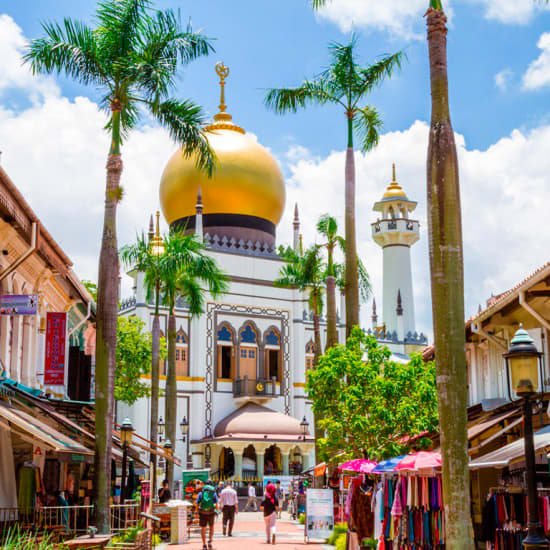
- Sultan Mosque — Kampong Glam, afternoon, ~45 minutes; landmark mosque beneath the golden dome.
- Haji Lane — Kampong Glam, afternoon, ~1 hour; murals, independent shops, and small bars.
- Atlas — Bugis, evening, ~1 hour; spectacular Art Deco bar for an optional drink. Approx. S$20–40 per person.
Morning
Start in Chinatown around 9:00, when the streets are still relatively calm and the temples are open. Begin at Sri Mariamman Temple, Singapore’s oldest Hindu temple, taking time to look closely at the colourful gopuram and the smaller shrines inside. Remove your shoes before entering and dress respectfully; a small donation is appreciated. It is then only a few minutes on foot to the Buddha Tooth Relic Temple, whose richly decorated main hall and upper-floor museum are usually open from around 9:00, with free entry. Allow about an hour, and keep voices low during prayer times.
Lunch
Stay in Chinatown and eat at Chinatown Complex Food Centre, Singapore’s largest hawker centre. Give yourself plenty of time to browse rather than choosing the first stall you see: look for chicken rice, wanton noodles, Hainanese dishes, or a plate of char kway teow, generally spending about S$8–20 per person. The centre can be busiest from noon to 1:30, so either arrive just before midday or accept that finding a table may take patience. After lunch, take the Downtown Line from Chinatown MRT to Bugis MRT—roughly 15 minutes—or use a taxi if the weather is hot.
Afternoon and Evening
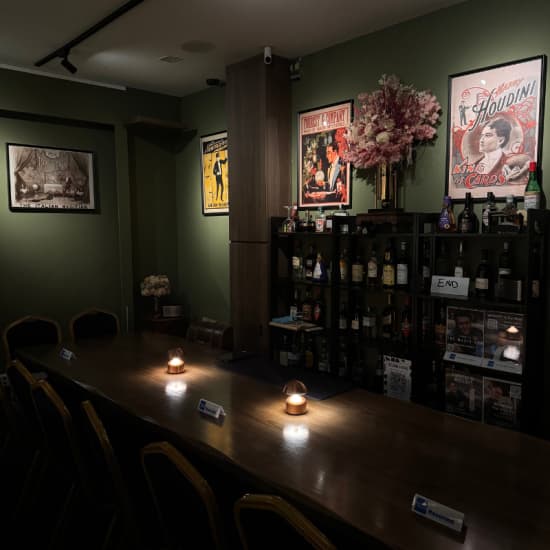
Walk from Bugis into Kampong Glam, heading first to Sultan Mosque and its broad Muscat Street frontage. The golden dome is best viewed from outside unless you are visiting during permitted hours; check the posted visitor guidance, dress modestly, and avoid prayer periods. Continue through Haji Lane, where the murals, tiny boutiques, vintage shops, and shaded cafés make it ideal for an unhurried wander. In the early evening, walk or take a short taxi to Atlas near Parkview Square. This grand Art Deco bar is worth seeing even if you only order one drink—budget roughly S$20–40 per person, and smart-casual dress is advisable. Reservations are sensible, particularly on Friday or Saturday nights; otherwise, ask about bar seating rather than waiting for a table.
Southern Singapore
- Singapore Botanic Gardens — Tanglin, morning, ~2.5 hours; lush UNESCO-listed gardens and rainforest paths.
- National Orchid Garden — Botanic Gardens, late morning, ~1.5 hours; standout collection of tropical orchids.
- Tiong Bahru Market — Tiong Bahru, lunch, ~1.5 hours; neighborhood hawker center and heritage architecture. Approx. S$8–20 per person.
- Southern Ridges — Alexandra–Mount Faber, afternoon, ~2.5 hours; elevated greenery and the Henderson Waves bridge.
- Mount Faber Park — Mount Faber, late afternoon, ~1 hour; harbor-facing viewpoint.
- Sentosa Cable Car — Mount Faber to Sentosa, evening, ~30 minutes; scenic transition toward the southern coast.
Morning
Start at Singapore Botanic Gardens around 8:00, entering from the Tanglin Gate or Nassim Gate while the paths are cool and quiet. Allow about 2½ hours to wander through the rainforest sections, lakes, and open lawns; the main gardens are free and generally open from 5:00 until midnight. Keep an eye out for monitor lizards around the water and bring a bottle of water—Singapore’s humidity builds quickly even under the canopy. Continue to the National Orchid Garden, which usually opens at 8:30 and costs about S$3 for adults; give it roughly 1½ hours for the themed displays and brilliantly coloured hybrids. From the Botanic Gardens, take a taxi or Grab to Tiong Bahru Market in around 10–15 minutes, depending on traffic.
Lunch and Afternoon
Have lunch at Tiong Bahru Market, where a table of local favourites is easy to assemble for around S$8–20 per person. Look for stalls serving fishball noodles, roast meats, chwee kueh, or traditional kaya toast, then take a short walk through Tiong Bahru’s curved 1930s apartment blocks and independent shops. After lunch, use a Grab or taxi to reach the Alexandra end of the Southern Ridges; allow roughly 15–20 minutes. Walk eastward along the elevated greenery toward Henderson Waves, Singapore’s distinctive wave-shaped pedestrian bridge. The complete route can be tiring in the heat, so take it steadily, carry water, and allow around 2½ hours including photo stops. If you prefer a shorter outing, focus on the section around Henderson Waves and the forested paths toward Mount Faber Park.
Evening
Continue into Mount Faber Park for about an hour, timing your arrival near sunset for broad views across the harbour and, on clear evenings, the southern islands. The summit is more peaceful than the waterfront and has benches where you can pause before the final ride. From Mount Faber Cable Car Station, take the Sentosa Cable Car across to Sentosa; the crossing takes about 10 minutes each way, though allow around 30 minutes overall for boarding and viewing stops. A standard round trip is usually about S$33 for adults, with operating hours commonly extending into the evening—check the official schedule before setting out. This is a relaxed way to finish the day, with the lights of Mount Faber and the harbour opening up beneath you.
Arrival in Ubud
- Singapore–Bali flight and transfer to Ubud — morning flight to Denpasar, then roughly 1.5–2 hours by car to Ubud; allow immigration and traffic time.
- Ubud Palace — Ubud center, late afternoon, ~1 hour; central royal compound with Balinese architecture.
- Saraswati Temple — Ubud center, late afternoon, ~45 minutes; lotus pond and ornate temple entrance.
- Ubud Art Market — Ubud center, early evening, ~1 hour; browse textiles, baskets, and handicrafts.
- Bebek Bengil — Ubud, dinner, ~1.5 hours; famous crispy duck specialty. Approx. IDR 200,000–450,000 per person.
- Ubud evening walk — Ubud center, evening, ~45 minutes; gentle orientation around the illuminated lanes.
Arrival and settling in
Take your morning flight from Singapore to Ngurah Rai International Airport, then allow around 45–90 minutes for immigration, baggage, and meeting your prebooked driver. The drive to Ubud usually takes 1½–2½ hours, with traffic around Kuta, Sanur, and Gianyar often making the final stretch slower than expected. Have the driver take you directly to your hotel, leave your bags, and take a short rest; this is not a day to force in a major excursion after the flight.
Late Afternoon in central Ubud
Aim to reach Ubud Palace around 4:00–4:30, when the light is softer and the central streets begin to cool. Allow about an hour for the compact royal compound and its ornate courtyards; entry is usually free or covered by a small donation, though evening dance performances may require a separate ticket. From the palace, it is only a couple of minutes on foot along Jalan Kajeng to Saraswati Temple. Spend around 45 minutes admiring the lotus pond and detailed entrance—access to the inner sanctum is restricted, but the approach is one of Ubud’s prettiest short stops.
Continue to Ubud Art Market for an early-evening browse, allowing roughly an hour for woven bags, sarongs, baskets, and small carved souvenirs. Bargaining is expected, but keep it friendly and compare at a few stalls before buying; opening hours commonly run until around 6:00–7:00, although individual stalls vary. For dinner, walk or take a short taxi to Bebek Bengil—the original crispy duck restaurant on Jalan Hanoman—and allow about 1½ hours. Expect approximately IDR 200,000–450,000 per person; the restaurant is popular, so arriving around 6:30–7:00 is easier than waiting for a later table.
Evening walk
Finish with a gentle orientation walk through central Ubud, following Jalan Monkey Forest and the quieter lanes branching towards Jalan Bisma. Keep the pace easy after the travel day, watching for uneven pavements and scooters in the narrow streets. Shops and galleries generally begin closing by 8:00–9:00, while the area around the palace remains lively; return to your hotel afterward and keep tomorrow’s plans light if the flight and Bali traffic have taken their toll.
Ubud cultural center
- Sacred Monkey Forest Sanctuary — Ubud, morning, ~2 hours; atmospheric forest, temples, and macaques.
- Pura Dalem Agung Padangtegal — Monkey Forest, late morning, ~45 minutes; striking temple within the sanctuary grounds.
- Campuhan Ridge Walk — Ubud west, midday, ~1.5 hours; easy ridge path through rice fields and valley scenery.
- Karsa Spa — Campuhan, afternoon, ~2 hours; relaxing treatment overlooking lush gardens. Approx. IDR 300,000–700,000 per person.
- Clear Café — Ubud, dinner, ~1.5 hours; attractive venue with broad Indonesian and international menu. Approx. IDR 150,000–350,000 per person.
Morning
Begin at Sacred Monkey Forest Sanctuary around 8:00, before the forest becomes crowded and the macaques grow more assertive. Allow about two hours to follow the shaded paths through banyan trees, mossy ravines, bridges, and temple courtyards. Entry is usually around IDR 80,000–100,000 per adult, with hours commonly from 9:00–18:00, so check the latest opening time with your hotel and arrive for the first available admission. Keep sunglasses, phones, food, and loose bags secured; do not touch or feed the monkeys, even if they look friendly.
Stay within the sanctuary for Pura Dalem Agung Padangtegal, the dramatic temple at its southern end. Give it roughly 45 minutes, taking in the dark stone carvings and forest setting rather than treating it as a quick photo stop. Afterward, take a short taxi or walk toward the western end of Ubud for Campuhan Ridge Walk. Start near the Warwick Ibah entrance and follow the easy ridge path for about 1½ hours; the open valley views are best before midday, though the exposed sections can be hot. Wear proper shoes, carry water, and expect some uneven paving and occasional muddy patches after rain.
Afternoon
After the walk, continue to Karsa Spa, reached by following the ridge toward the spa entrance or taking a short local taxi if you would rather avoid retracing the path. Reserve ahead, particularly for couples’ treatments, and plan around two hours for a massage or body treatment in the peaceful garden setting. Treatments generally cost about IDR 300,000–700,000 per person. This is a good point to slow the day down—have a drink, enjoy the greenery, and return to your accommodation by taxi rather than trying to walk the full distance in the afternoon heat.
Evening
For dinner, head to Clear Café in central Ubud, allowing around 1½ hours. The bright, airy interior is a welcome change after the forest and ridge, and the menu covers Indonesian favourites as well as vegetarian, vegan, and international dishes; expect roughly IDR 150,000–350,000 per person. From Karsa Spa, a prebooked car or Grab is the simplest option, usually taking 10–20 minutes depending on traffic. Ubud’s central roads become congested after 17:00, so book the ride before leaving the spa and keep the rest of the evening unhurried.
Central Bali
- Tegallalang Rice Terrace — Tegallalang, morning, ~1.5 hours; iconic stepped rice-field landscape.
- Bali Pulina — Tegallalang, late morning, ~1.5 hours; coffee plantation tour and tasting. Approx. IDR 100,000–250,000 per person.
- Tirta Empul Temple — Manukaya, midday, ~1.5 hours; important water temple with purification pools.
- Gunung Kawi — Tampaksiring, afternoon, ~1.5 hours; dramatic ancient shrine reliefs carved into cliffs.
- Locavore NXT — Ubud, dinner, ~2 hours; ambitious modern Indonesian tasting experience. Approx. IDR 1,000,000–2,000,000 per person.
Morning
Hire a car and driver for the day and leave Ubud around 7:30–8:00, before the roads toward Tegallalang become congested. Start at Tegallalang Rice Terrace, arriving around 8:30; allow roughly 1½ hours to follow the paths through the stepped fields and viewpoints. Wear shoes with decent grip—the trails can be muddy after rain—and carry water, as the exposed terraces become hot quickly. Small entrance and local-maintenance fees vary, commonly around IDR 25,000–50,000, and it is worth having your driver wait rather than trying to find another car in the rice-field area.
Continue a few minutes by car to Bali Pulina for a late-morning coffee plantation visit. Allow about 1½ hours for the garden walk and tasting, which usually includes several local coffees and teas; expect roughly IDR 100,000–250,000 per person depending on the package. The setting is more relaxed than the busy roadside coffee stops, with valley views and shaded seating. From there, drive to Tirta Empul Temple in Manukaya, allowing around 20–30 minutes depending on traffic.
Afternoon
Spend about 1½ hours at Tirta Empul Temple, one of Bali’s most important water temples. You can observe the purification pools, but only enter the bathing ritual if you follow the temple’s instructions and dress appropriately; sarongs are generally available, and shoulders and knees should be covered. The entrance fee is commonly around IDR 50,000 per person. Continue by car to Gunung Kawi in Tampaksiring, usually another 10–15 minutes away. The temple complex is reached down a long staircase, so take it slowly in the heat; allow around 1½ hours to see the enormous cliff-carved shrine reliefs, river valley, and quieter stone paths. Your driver can wait at the upper parking area, and it is sensible to carry a bottle of water for the climb back.
Evening
Return to Ubud for dinner at Locavore NXT, booking well ahead and allowing roughly two hours for the modern Indonesian tasting menu. Budget approximately IDR 1,000,000–2,000,000 per person before drinks, depending on the menu and pairing choices. This is a polished, leisurely finish after a full day in the countryside, so avoid scheduling anything afterwards. Confirm the reservation time and dress expectations in advance, and arrange your driver to collect you directly from the restaurant; evening traffic around central Ubud can make short journeys surprisingly slow.
Arrival on the southern coast
- Ubud–Seminyak transfer — morning, roughly 1.5–2.5 hours by car depending on traffic; check in and leave luggage.
- Petitenget Temple — Petitenget, afternoon, ~1 hour; atmospheric coastal temple with historic importance.
- Seminyak Beach — Seminyak, late afternoon, ~2 hours; settle into Bali’s southern beach scene.
- La Lucciola — Petitenget, sunset dinner, ~1.5 hours; established beachfront dining. Approx. IDR 300,000–700,000 per person.
- Potato Head Beach Club — Petitenget, evening, ~2 hours; sunset drinks, music, and oceanfront atmosphere.
Morning — Transfer from Ubud
Leave Ubud around 8:00–8:30 by private car or GrabCar, before traffic thickens on the roads through Tegallalang, Sanur, and Kuta. The journey to Seminyak usually takes 1½–2½ hours, so ask your driver to go directly to your accommodation, where you can check in or leave your luggage. A pre-arranged hotel car is worthwhile if you have several bags; app-based pickups can be awkward around narrow hotel lanes.
Afternoon — Petitenget
Once settled, head to Petitenget Temple, a short taxi ride or 20–30-minute walk from much of central Seminyak. Allow about an hour to see the temple courtyard and coastal surroundings; it is still a working Balinese Hindu site, so wear something covering your shoulders and knees and follow any local restrictions around ceremonies. The temple itself is generally free, though a small donation is appreciated. Afterward, take a slow walk through Petitenget toward the shore, where boutique-lined streets give way to beach bars and hotel gardens.
Late Afternoon and Evening — Seminyak Beach
Spend roughly two hours at Seminyak Beach, arriving around 16:30–17:00 for the cooler part of the day. Settle on the sand near the central beachfront, but keep valuables secured and be cautious in the surf, which can be rough. At sunset, walk north toward La Lucciola for dinner; reserve ahead for a beachfront table, and expect around IDR 300,000–700,000 per person depending on drinks. Continue the evening at Potato Head Beach Club, only a few minutes away in Petitenget, for oceanfront music and drinks. Entry policies and minimum spends can vary, so check the current arrangement before going; it is best enjoyed as a relaxed first night rather than a late, tightly scheduled outing.
Seminyak coast
- Seminyak Beach — Seminyak, morning, ~2 hours; relaxed swim or surf lesson before the heat.
- Sea Vu Play — Seminyak, late morning, ~1 hour; playful nautical-themed cafe and drink stop. Approx. IDR 100,000–250,000 per person.
- Double-Six Rooftop — Double Six, sunset, ~1.5 hours; elevated sunset cocktails above the beach. Approx. IDR 200,000–500,000 per person.
- Jalan Kayu Aya — Seminyak, early evening, ~1 hour; browse boutiques and galleries.
- Warung Nia — Seminyak, dinner, ~1.5 hours; popular Balinese barbecue and local dishes. Approx. IDR 150,000–350,000 per person.
Morning
Start at Seminyak Beach around 8:00, while the sand is cooler and the shoreline is at its most relaxed. Settle in for about two hours with a swim, or arrange a beginner surf lesson through one of the beach operators; conditions are usually gentler in the morning, though always follow the lifeguards’ advice. From your accommodation, walk if you are nearby or use a short Grab ride—traffic and parking around the beach become noticeably harder later in the day. Bring cash for a lounger or drinks, and keep valuables out of sight while swimming.
Late Morning and Sunset
Walk or take a quick ride to Sea Vu Play for a late-morning break. The nautical décor and easygoing atmosphere make it a good place to linger over a cold drink or light meal; allow around an hour and budget roughly IDR 100,000–250,000 per person. Keep the middle of the day unhurried—return to your hotel for a swim or rest before heading to Double-Six Rooftop around 4:30–5:00. Arrive early enough to get a comfortable table for sunset, as the best seats fill quickly. Cocktails and snacks generally come to about IDR 200,000–500,000 per person, and the elevated view is especially good as the beach lights begin to come on.
Evening
After sunset, stroll along Jalan Kayu Aya, known locally as Eat Street, for about an hour. Browse the small boutiques and galleries, but expect a lively, polished atmosphere rather than a traditional market; prices vary considerably, so this is mainly a pleasant wander between dinner and drinks. Finish at Warung Nia, where Balinese barbecue, satay, and traditional sharing dishes are the draw. Dinner usually costs around IDR 150,000–350,000 per person; arriving around 7:00 is sensible because the restaurant is popular. For the return journey, use Grab rather than trying to park—Seminyak’s narrow streets can be frustrating in the evening, particularly around Jalan Kayu Aya and Jalan Petitenget.
Southern Bali
- Uluwatu Temple — Pecatu, morning, ~2 hours; spectacular cliff-edge temple above the Indian Ocean.
- Padang Padang Beach — Pecatu, midday, ~2 hours; small cove with clear water and dramatic cliffs.
- Sundays Beach Club — Ungasan, afternoon, ~3 hours; beach time, swimming, and water activities. Approx. IDR 300,000–700,000 per person.
- Jimbaran Bay — Jimbaran, sunset, ~1.5 hours; beachfront seafood dinner. Approx. IDR 250,000–600,000 per person.
- Kecak Fire Dance at Uluwatu Temple — Uluwatu, evening, ~1.5 hours; iconic sunset performance, best booked ahead.
Morning — Uluwatu Temple
Leave Seminyak around 7:00–7:30 by private car or GrabCar, heading south via the airport toll road and the Bukit Peninsula. Allow roughly 1½–2 hours depending on traffic, and ask your driver to wait or return later, as relying on a new ride around Uluwatu can be inconvenient. Start at Uluwatu Temple around 9:00, allowing about two hours for the clifftop paths and ocean views. Wear secure footwear and keep sunglasses, hats, and loose belongings tucked away—the resident monkeys are persistent. Entry is usually around IDR 50,000, with a small additional fee for the required sarong.
Midday and Afternoon
Continue by car to Padang Padang Beach, about 20 minutes away, arriving before noon. Descend through the narrow cliff passage and spend around two hours swimming or relaxing on the sand; the cove is compact, so it feels much busier once day-trippers arrive. Entry is typically around IDR 15,000 per person, and there are simple warungs near the access road for noodles, nasi goreng, fresh juice, or a light lunch. Afterward, drive roughly 15–20 minutes to Sundays Beach Club in Ungasan. Plan on three unhurried hours here: the day pass generally costs around IDR 300,000–700,000 per person depending on the package and date, with part of it redeemable for food or drinks. Check the tide and activity schedule on arrival; the beach is best for swimming and water activities around calmer conditions.
Evening — Jimbaran Bay and the Kecak Fire Dance
Leave Sundays Beach Club with enough time to reach Jimbaran Bay before sunset, usually allowing 30–45 minutes in late-afternoon traffic. Choose one of the established beachfront seafood restaurants rather than the most aggressively touting table: expect roughly IDR 250,000–600,000 per person depending on the seafood and drinks. The atmosphere is pleasantly simple—bare feet in the sand, charcoal grills, and fishing boats offshore—though prices should be confirmed by weight before ordering. After dinner, return to Uluwatu Temple for the Kecak Fire Dance, held in the cliffside amphitheatre and usually starting around 18:00, with exact times varying by season. Book tickets ahead where possible, arrive at least 30–45 minutes early, and keep your ticket and belongings secure in the crowd; the performance area fills quickly, especially for sunset. Expect about IDR 150,000–200,000 for the show, in addition to temple admission. Afterward, return to Seminyak by prearranged driver—allow around 1½–2½ hours at night, depending on traffic.
Return to Tokyo
- Bali–Tokyo flight — morning departure from Denpasar; allow 3 hours at the airport and roughly 7–9 hours including any connection.
- Tokyo hotel check-in and rest — central Tokyo, evening, ~2 hours; keep the final night flexible.
- Tokyo Metropolitan Government Building — Shinjuku, evening, ~1 hour; free high-rise views over Tokyo.
- Torikizoku Shinjuku — Shinjuku, dinner, ~1 hour; casual yakitori and an easy final Japanese meal. Approx. ¥2,000–¥4,000 per person.
- Kabukicho — Shinjuku, night, ~1 hour; neon-lit entertainment district for a final Tokyo walk.
Morning and Arrival in Tokyo
Take your morning flight from Ngurah Rai International Airport to Tokyo, allowing around three hours at the airport and roughly 7–9 hours total if you have a connection. On arrival, use the Narita Express or Keisei Skyliner from Narita Airport, or the Tokyo Monorail from Haneda, depending on your arrival airport and hotel location. Check in, leave your bags, and keep the afternoon deliberately light—after a long travel day, a shower and a couple of hours’ rest will make the evening much more enjoyable.
Evening Views and Dinner
Around 5:30–6:00, head to the Tokyo Metropolitan Government Building in Shinjuku. The observation decks are free and usually open into the evening, offering a broad sunset-to-night view across the city; on a clear day you may even see Mount Fuji. From the building, walk roughly 15 minutes east toward Shinjuku Station, or take a short taxi if you are tired, then settle in at Torikizoku Shinjuku for an easy final Japanese dinner. Expect around ¥2,000–¥4,000 per person for yakitori, rice dishes, and drinks; branches can be busy, so join the electronic queue or arrive slightly before the main dinner rush.
Night Walk
Finish with an unhurried walk through Kabukicho, where the signs and narrow side streets are at their most atmospheric after dark. Stay on the main, busy streets around Kabukicho Ichiban-gai and Shinjuku Kuyakusho-dori, and ignore touts offering bars or clubs. This is a good final Tokyo evening for simply taking in the neon, convenience-store snacks, and late-night energy before returning to your hotel; keep your route back flexible, as trains generally stop around midnight and taxis become the practical option afterward.
Departure from Tokyo
- Asakusa and Nakamise-dori — Asakusa, early morning, ~1.5 hours; quiet final stroll past traditional shops toward Senso-ji.
- Kappabashi Dougu Street — Asakusa, morning, ~1 hour; browse Japanese kitchenware and food-display shops.
- Asakusa Kagetsudo — Asakusa, brunch, ~45 minutes; famous oversized melon pan. Approx. ¥300–¥1,000 per person.
- Tokyo–Heathrow journey — travel to Narita or Haneda according to your ticket; depart hotel roughly 3–4 hours before the flight, allowing 60–90 minutes for airport transfer and check-in.
Early Morning — Asakusa and Nakamise-dori
For a final Tokyo stroll, head to Asakusa around 7:30–8:00, when the approach to Senso-ji and Nakamise-dori is at its most peaceful. Walk slowly along the traditional shop-lined avenue toward the main temple gate, enjoying the wooden façades and the contrast between the quiet morning streets and the district’s usual crowds. Most shops on Nakamise-dori open around 9:00–10:00, so this is more about atmosphere and photographs than shopping; allow roughly 1½ hours. From your hotel, the Tokyo Metro Ginza Line to Asakusa Station is usually the simplest option.
Morning — Kappabashi Dougu Street
From Asakusa, walk west for about 10–15 minutes to Kappabashi Dougu Street, Tokyo’s famous kitchenware district. Spend around an hour browsing specialist shops selling knives, ceramics, lacquerware, restaurant signs, and remarkably realistic plastic food displays. かっぱ橋道具街 generally becomes livelier from around 10:00, and many stores close on Sundays, so today is a good opportunity to pick up a practical souvenir. If buying a knife, ask the shop about engraving and check your airline’s rules for packing it in checked baggage.
Brunch — Asakusa Kagetsudo
Return toward Asakusa Kagetsudo for a relaxed final brunch, ideally arriving before the late-morning queue becomes lengthy. The shop is known for its enormous, crisp-edged melon pan, best eaten fresh; one is substantial, so sharing it alongside coffee or another small item works well. Budget approximately ¥300–¥1,000 per person, and allow about 45 minutes. Keep the rest of the morning unhurried—this is a good point to collect luggage, return to the hotel, and leave extra time for the airport journey rather than trying to squeeze in another distant sight.
Departure — Tokyo to Heathrow
Travel to the airport named on your ticket, allowing a generous buffer for Tokyo’s size and your international check-in. For Haneda Airport, leave your hotel roughly three hours before departure; the Keikyu Line or Tokyo Monorail usually takes about 20–35 minutes from central Tokyo, depending on your starting station. For Narita Airport, leave around four hours before departure: the Narita Express from Tokyo Station or Shinjuku takes about 60–90 minutes, while the Keisei Skyliner from Ueno is generally quicker. Aim to be at the airport around three hours before the flight, and keep passports, duty-free items, and any knives or fragile kitchenware safely packed for the journey to Heathrow.