Yokohama First, Kamakura Second: Two-Day Scenic Trip from Asakusa
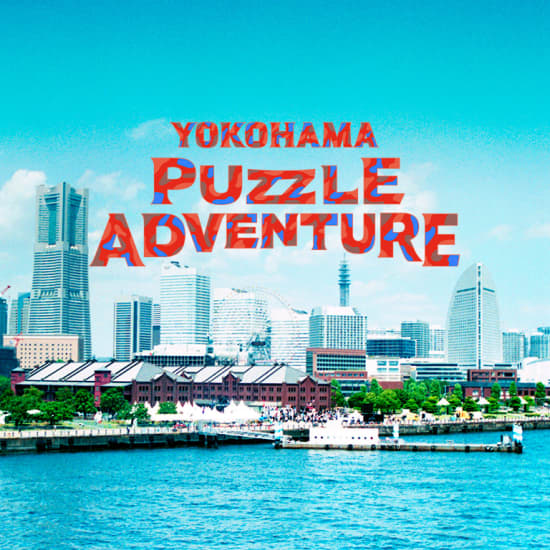
Yokohama Waterfront and Chinatown Exploration
- Yokohama Station → Minato Mirai — Yokohama Station/Minato Mirai; take the Tokyu Toyoko Line from Asakusa via Shibuya, or travel to Yokohama Station and walk onward; depart around 8:00 AM, allowing roughly 60–75 minutes.
- Yokohama Red Brick Warehouse — Minato Mirai; browse the historic waterfront buildings and seasonal shops, with a café break, late morning ~1 hour.
- Yokohama Chinatown — Chinatown; explore colorful gates, temples, and street-food stalls, early afternoon ~1.5 hours.
- Chinatown lunch at a well-reviewed dim sum restaurant — Chinatown; enjoy steamed dumplings and Cantonese specialties, approximately ¥2,000–¥4,000 per person, lunchtime ~1 hour.
- Yamashita Park — Yamashita waterfront; stroll beside the harbor toward the bay views and Hikawa Maru, mid-afternoon ~45 minutes.
- Yokohama Marine Tower — Yamashita Park; finish with panoramic harbor views, late afternoon ~1 hour, then return from Motomachi-Chūkagai Station toward Asakusa.
Morning
Leave Asakusa around 8:00 AM for Yokohama Station—the most straightforward route is usually the Toei Asakusa Line through service toward Yokohama, or a connection via Shibuya depending on the morning timetable; allow roughly 60–75 minutes and check Google Maps before leaving. From Yokohama Station, take the Minatomirai Line to Minatomirai Station, then walk toward the harbor. Start at the Yokohama Red Brick Warehouse, where the old brick buildings are pleasant for browsing and a coffee break; shops generally open around 10:00 AM, while cafés may open earlier. Give yourself about an hour, and take a few minutes outside for the broad views across the waterfront.
Afternoon
Continue toward Yokohama Chinatown, walking through Yamashita Park or taking the Minatomirai Line from Bashamichi or Nihon-ōdōri to Motomachi-Chūkagai Station. Wander beneath the colorful gates, look into the small temples, and graze from the street stalls—panda-shaped sweets, sesame dumplings, and steamed buns are easy snacks, though the busiest lanes become crowded around noon. For lunch, settle into Jukei Hanten for Cantonese-style dishes and dim sum, or arrive early to avoid a queue; budget approximately ¥2,000–¥4,000 per person. Afterward, walk downhill toward Yamashita Park for a slower 45-minute harbor stroll, with views of the bay and the preserved Hikawa Maru ocean liner.
Late Afternoon
Finish at Yokohama Marine Tower, a short walk from Yamashita Park. The observation deck is best in the late afternoon, when the harbor, Yokohama Bay Bridge, and distant skyline begin to catch warmer light; allow about an hour, with admission usually around ¥1,000–¥1,500 depending on the current ticket plan. From Motomachi-Chūkagai Station, return toward Asakusa by the Minatomirai Line and Toyoko Line, connecting with the Tokyo Metro or Toei network as indicated by the evening timetable. Leave the tower around 5:30–6:00 PM if you want to be back in Asakusa for dinner, and keep your IC card topped up—there is no need to buy separate tickets for each urban-rail segment.
Kamakura Scenic Train Ride and Temple Exploration
- Asakusa → Kamakura — Tobu/ Tokyo Metro to Tokyo or Ueno, then JR Yokosuka Line to Kamakura; depart around 7:00 AM, allowing roughly 1.5–2 hours including transfers.
- Kamakura Station and Komachi-dori Street — Central Kamakura; browse local sweets and crafts while walking toward the temples, morning ~1 hour.
- Tsurugaoka Hachimangu — Central Kamakura; visit Kamakura’s major Shinto shrine and its landscaped grounds, late morning ~1.5 hours.
- Hokokuji Temple — Jomyoji; enjoy the tranquil bamboo grove and tea house, early afternoon ~1 hour, reached by local bus or taxi.
- Hase-dera — Hase; explore the hillside temple, gardens, and sea-facing viewpoints, mid-afternoon ~1.5 hours.
- Enoden to Kamakura, then JR Yokosuka Line to Asakusa — Hase/Kamakura Station; ride the scenic Enoden back before returning via Tokyo or Ueno, depart around 4:30–5:00 PM and allow roughly 2 hours.
Morning
Leave Asakusa around 7:00 AM so you reach Kamakura Station shortly after 8:30, while Komachi-dori Street is still relatively calm. The covered shopping street begins just outside the east exit; spend about an hour browsing Hato Sabure biscuits, small craft shops, and Japanese sweets before the crowds build. Most shops open around 10:00 AM, so treat this first pass as a gentle walk rather than a full shopping stop. From the end of the street, a short walk brings you to Tsurugaoka Hachimangu, Kamakura’s grand central shrine. Allow 1–1½ hours for the approach, prayer halls, lotus ponds, and landscaped grounds; entry to the shrine grounds is free, though some garden areas charge a small fee. Summer mornings are hot, so refill water before tackling the broad staircase.
Afternoon
From Tsurugaoka Hachimangu, take a local bus toward Jomyoji—typically about 10–15 minutes, depending on traffic—or use a taxi if the heat is intense. Hokokuji Temple is compact but wonderfully quiet, with a shaded bamboo grove and Kaiseki Ukai tea house; allow roughly an hour, and expect around ¥400 for temple admission plus ¥600–¥1,000 for matcha in the grove. Continue by bus or taxi toward Hase, allowing about 20 minutes, for Hase-dera. Its hillside gardens, cave shrines, and ocean-facing terrace are best enjoyed unhurriedly; admission is about ¥400, and the grounds usually close around 17:00, with last entry earlier. In August, arrive by mid-afternoon and carry water—the climb has little shade in places.
Evening
Walk about 10 minutes to Hase Station and take the Enoden back to Kamakura Station, choosing a window seat for the nostalgic streetscape and, if the timing works, glimpses of the coast. The ride takes roughly 5 minutes; allow extra time if trains are busy. Aim to leave Kamakura around 16:30–17:00 on the JR Yokosuka Line toward Tokyo or Ueno, then continue to Asakusa, allowing about two hours door to door. An IC card is easiest, and there is normally no need to reserve a seat.