10-Day Belgium France Netherlands and Germany Itinerary with Odoo Meeting and Football Matches
Arrival and historic center of Brussels
- Brussels Airport to Brussels-Central — Airport/City Centre; take the direct train after arrival, allowing ~30 minutes plus luggage and hotel check-in.
- Grand-Place — Historic Centre; admire Brussels’ ornate guildhalls and Town Hall, ~45 minutes.
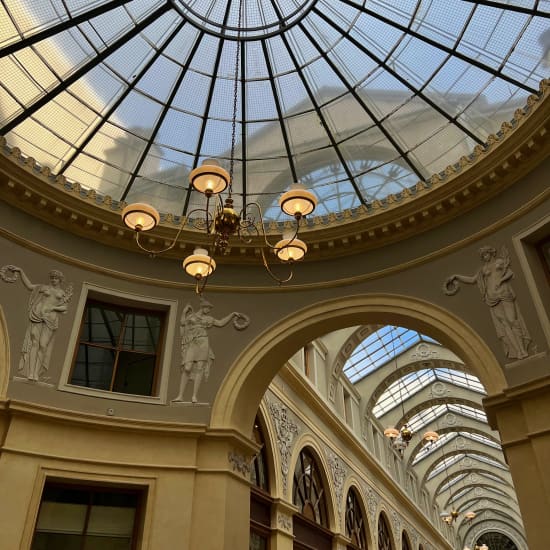
- Galeries Royales Saint-Hubert — Historic Centre; stroll the elegant 19th-century shopping arcades, ~30 minutes.
- Manneken Pis — Historic Centre; see Brussels’ famous small bronze statue, ~15 minutes.
- Chez Léon — Rue des Bouchers; enjoy classic moules-frites, approximately €25–€40 per person, ~1.5 hours.
- Mont des Arts — Upper Town; finish with panoramic city views around sunset, ~45 minutes.
Arrival and First Walk
After landing at Brussels Airport, follow signs to the railway station beneath the terminal and take a direct SNCB/NMBS train to Brussels-Central. The ride takes about 18 minutes; allow another 30–45 minutes for luggage, passport formalities and reaching your hotel. A standard ticket is usually around €10–€12. Once checked in, walk toward the Grand-Place, allowing roughly 15 minutes from Brussels-Central. Spend about 45 minutes taking in the ornate guildhalls and Town Hall—late afternoon light is particularly good on the square.
Continue through the pedestrian streets to the Galeries Royales Saint-Hubert, a beautiful covered arcade ideal for a relaxed half-hour stroll and window-shopping. From there, Manneken Pis is only a few minutes away on foot; the statue itself takes 10–15 minutes, and the surrounding lanes are pleasant for an unhurried wander. Keep an eye on your belongings in the busiest streets, especially around the station and central tourist areas.
Dinner and Sunset
For dinner, settle in at Chez Léon on Rue des Bouchers, one of Brussels’ classic places for moules-frites. Expect about €25–€40 per person, and allow 1½ hours. The restaurant is tourist-friendly but well suited to a first evening, particularly if you want a straightforward introduction to Belgian mussels, fries and beer. Check the kitchen hours on the day, as closing times can vary by season.
Finish at Mont des Arts, about a 10-minute walk uphill from the restaurant. Its landscaped steps provide one of the city’s best central views, looking toward Brussels-Central and the historic center. Visit around sunset if possible, then return to your hotel on foot or by metro/tram; the area is usually easy to navigate, but confirm the final public-transport departures if you are staying outside the center.
Bruges day trip
- Bruges railway station to Markt — Bruges; walk or take a short taxi ride into the centre, ~20–30 minutes.
- Begijnhof — Beguinage; enjoy a quiet walk among whitewashed historic houses, ~30 minutes.
- Church of Our Lady — City Centre; see Bruges’ famous Madonna sculpture and medieval interior, ~45 minutes.
- Rozenhoedkaai — Canals; photograph one of the city’s most atmospheric canal views, ~20 minutes.
- De Halve Maan Brewery — Walplein; take a brewery tour and sample Bruges beer, ~1.5 hours.
- Groot Vlaenderen — Historic Centre; have a Belgian lunch or dinner with regional dishes, approximately €25–€40 per person, ~1.5 hours.
Morning
Take an SNCB/NMBS train from Brussels-Central around 08:00–08:30, arriving at Bruges railway station after roughly an hour. From the station, walk through the approach streets toward Markt; allow 20–30 minutes and enjoy the first glimpse of the medieval centre along the way. If you prefer to save your legs, a short taxi ride is practical, though the historic core is compact and best explored on foot. From Markt, continue through the quieter lanes to the Begijnhof, where whitewashed houses surround a peaceful green courtyard. It is free to enter, and the calm atmosphere is best before the main day-trip crowds arrive.
Walk back toward the centre for the Church of Our Lady, allowing about 45 minutes for its soaring interior and the celebrated marble Madonna attributed to Michelangelo. Check the church’s visitor schedule before travelling, as opening hours and access to certain areas can vary around services; entry to the church is generally free, while the museum section requires a modest ticket. A 10-minute walk then brings you to Rozenhoedkaai, one of Bruges’ classic canal viewpoints. Spend a little time here rather than rushing for photographs—the view is particularly attractive when the water is still and the buildings reflect in the canal.
Afternoon and evening
Continue to De Halve Maan Brewery on Walplein, a short walk from the canal area. The guided tour takes around 1.5 hours and usually includes the brewery’s historic rooms, rooftop views and a beer tasting; expect approximately €15–€20, with tours running at set times and often selling out on busy days. Reserve ahead through the brewery’s website, especially for a September visit. Afterward, settle in at Groot Vlaenderen in the historic centre for a relaxed Belgian meal—allow €25–€40 per person for dishes such as Flemish stew, croquettes or regional specialities. Bruges is especially pleasant after the day-trippers leave, so take an unhurried final walk through the illuminated lanes before returning to Bruges railway station for an evening train back to Brussels.
Odoo meeting and Brussels exploration
- Odoo meeting — Brussels; attend the meeting on the scheduled day, allowing the event’s full program plus travel time.
- Royal Palace of Brussels — Upper Town; view the exterior and surrounding park after the meeting, ~30 minutes.
- Magritte Museum — Mont des Arts; explore Belgium’s major surrealist collection, ~1.5 hours.
- Place du Grand Sablon — Sablon; browse the attractive square and antique galleries, ~45 minutes.
- Wittamer — Sablon; stop for renowned Belgian pastries or chocolate, approximately €10–€20 per person, ~45 minutes.
- Place Sainte-Catherine — Sainte-Catherine; finish with a relaxed seafood-focused dinner near the old harbour, ~1.5 hours.
Morning — Odoo meeting
Allow the full Odoo meeting programme plus transfer time before planning anything else. If you are staying near central Brussels, leave at least 30 minutes for local transport; the Brussels Metro, tram and bus network is easiest with a contactless card or a day ticket costing roughly €8–€9. If the meeting venue is outside the centre, check the exact address in advance, as Odoo’s Brussels-area offices may require a train or tram connection rather than a simple walk. Keep your luggage at the hotel or in a station locker so you can move around comfortably afterward.
Afternoon — Upper Town and Belgian surrealism
After the meeting, head toward the Upper Town for the exterior of the Royal Palace of Brussels and a short walk through Brussels Park; allow about 30 minutes. The palace is generally open to visitors only during its summer opening period, so treat this as an exterior visit unless your meeting date coincides with confirmed public opening hours. Continue downhill to the Magritte Museum at Mont des Arts, where the main collection takes around 90 minutes. It is usually open Tuesday through Sunday, with admission commonly around €10–€15; reserve a timed ticket if available, particularly if your meeting finishes late. The walk from the palace takes roughly 10 minutes, with excellent city views from Mont des Arts.
Late afternoon and evening — Sablon to Sainte-Catherine
Walk south through the Upper Town to Place du Grand Sablon, a pleasant 10-minute stroll from Mont des Arts. Spend about 45 minutes browsing the square, church frontage and antique galleries—many shops close around 18:00, so arrive before then. Take a pastry or chocolate break at Wittamer, one of Brussels’ classic addresses; budget €10–€20 per person for coffee and a pastry or a small chocolate selection. In the evening, continue toward Place Sainte-Catherine, about 20 minutes on foot or a short Metro ride, for a relaxed seafood-focused dinner around the old harbour. Mer du Nord is a casual local institution for seafood at the counter, while François offers a more traditional sit-down experience; dinner will typically cost €25–€45 per person depending on drinks and shellfish. The square is well connected by Metro, making it easy to return to your hotel after dinner.
Antwerp culture and football planning
- Brussels to Antwerp by train — Brussels-Central to Antwerpen-Centraal; depart around 08:30, taking roughly 45 minutes and allowing time to store luggage.
- Antwerpen-Centraal — Central Station district; admire one of Europe’s grandest railway stations, ~30 minutes.
- Rubenshuis — Theatre Quarter; visit the former home and studio of Peter Paul Rubens, ~1.5 hours.
- Meir and Stadsfeestzaal — City Centre; explore Antwerp’s main shopping avenue and ornate arcade, ~1 hour.
- Cathedral of Our Lady — Historic Centre; see Rubens masterpieces in a landmark Gothic church, ~1 hour.
- De Koninck Brewery — Berchem; tour Antwerp’s brewery and sample local beer, approximately €20–€35 per person, ~1.5 hours.
Morning
Take the planned SNCB/NMBS train from Brussels-Central at around 08:30 and arrive at Antwerpen-Centraal roughly 45–50 minutes later. Leave your luggage in the station lockers—usually around €5–€10 depending on size—then spend about 30 minutes admiring the station’s marble halls, glass dome and elaborate ironwork. From here, it is a short walk along De Keyserlei to the Rubenshuis in the Theatre Quarter. Check the official schedule before travelling, as the museum has undergone phased renovation; where open, allow 1–1½ hours and expect admission of approximately €8–€12.
Afternoon
Walk down Meir, Antwerp’s main shopping avenue, and pause inside Stadsfeestzaal, an ornate former event hall with a striking gold-and-marble interior. Allow about an hour, with lunch nearby at Frites Atelier Antwerp for an easy Belgian meal, or Bia Mara for excellent fish and chips. Continue toward the historic centre, roughly 15 minutes on foot, to Cathedral of Our Lady. Set aside an hour for the Gothic interior and its Rubens paintings; entry is generally around €8–€12, and opening times can vary around services.
Evening
Take a tram or taxi from the centre toward Berchem—allow 15–20 minutes—to arrive at De Koninck Brewery for the final timed tour, ideally around 16:00 or 16:30. The interactive visit lasts about 1½ hours and costs approximately €20–€35, normally including tastings. Stay afterward for a relaxed drink or dinner at De Pelgrim, or return toward Zurenborg for its beautiful Art Nouveau streets and a meal around Dageraadplaats. If you are considering a Belgian football match during the trip, this is also a good evening to check fixtures and ticket availability through the club’s official website rather than relying on resale listings.
Ghent canals and Belgian football option
- Antwerp to Ghent by train — Antwerpen-Centraal to Gent-Sint-Pieters; depart around 08:30, taking approximately 1 hour.
- Ghent’s historic centre — Centre; walk from Sint-Michielsbrug toward the medieval skyline, ~45 minutes.
- Gravensteen — Patershol; explore Ghent’s imposing medieval castle, ~1.5 hours.
- Saint Bavo’s Cathedral — Korenmarkt area; see the celebrated Ghent Altarpiece, ~1 hour.
- Werregarenstraat — City Centre; visit Ghent’s lively graffiti street, ~20 minutes.
- De Graslei — Leie riverfront; relax beside the canals with a Belgian lunch at a nearby brasserie, approximately €20–€35 per person, ~1.5 hours.
Morning
Take the planned train from Antwerpen-Centraal to Gent-Sint-Pieters, arriving after about an hour. From the station, use tram 1 toward the centre—around 15 minutes—or walk in roughly 30 minutes. Begin at Sint-Michielsbrug, where Ghent’s medieval towers and riverfront open up in one of the city’s finest views. Walk slowly through the historic centre toward Gravensteen, allowing about 45 minutes for the streets, bridges and old guild houses. Entry to the castle is usually about €13–€15, and it generally opens from around 10:00; the audio guide is entertaining and worth taking for the castle’s dry local humour.
Late Morning and Lunch
Spend roughly 90 minutes inside Gravensteen, then continue toward Saint Bavo’s Cathedral. The cathedral is typically open during the day, although religious services can affect access; allow about an hour to see the interior and the celebrated Ghent Altarpiece, for which timed admission is commonly around €12–€16. Afterwards, take a short detour through Werregarenstraat, the narrow graffiti-lined passage known locally as the “Graffiti Street.” It takes only 20 minutes, but the artwork changes constantly, so it is worth a quick look rather than treating it as a major stop.
Finish the sightseeing loop at De Graslei, about a 10-minute walk away. Choose a riverside brasserie for lunch—De Graslei area is atmospheric but touristy, so compare menus before sitting down—and budget approximately €20–€35 per person. A slower lunch beside the Leie is the right pace here; watch the canal traffic and the students crossing Sint-Michielsbrug rather than trying to add another museum.
Afternoon and Evening
Keep the remainder of the afternoon flexible around De Graslei: wander the nearby lanes, take photographs from the quayside, or pause for a coffee before returning to Gent-Sint-Pieters by tram 1. Check the evening football fixtures and ticket availability before committing to a Belgian match; Ghent’s Planet Group Arena is outside the centre and requires extra time by tram or bus, so do not leave the return journey until the last train. If there is no suitable fixture, have dinner around Patershol, where compact medieval lanes contain good Flemish restaurants, then return to Gent-Sint-Pieters with at least 20 minutes to spare for the train back to Antwerp.
Amsterdam canals and museums
- Ghent to Amsterdam by train — Gent-Sint-Pieters to Amsterdam Centraal; depart early, allowing roughly 3 hours including the connection and luggage.
- Dam Square and Royal Palace exterior — Central Amsterdam; orient yourself around the city’s historic heart, ~45 minutes.
- Anne Frank House — Jordaan; visit the deeply moving wartime house museum, ~1.5 hours; reserve a timed ticket well in advance.
- Jordaan canals — Jordaan; wander quiet streets, independent shops, and canal bridges, ~1 hour.
- De 9 Straatjes — Canal Belt; browse distinctive boutiques and galleries, ~1 hour.
- The Pantry — Leidseplein area; try traditional Dutch dishes such as stamppot, approximately €25–€40 per person, ~1.5 hours.
Morning
Take an early train from Gent-Sint-Pieters to Amsterdam Centraal, allowing roughly three hours for the journey, connection and luggage. Aim to arrive around late morning, then leave your bags at your hotel or in the station lockers. Walk through the busy Damrak toward Dam Square, the city’s historic centre. Spend about 45 minutes seeing the exterior of the Royal Palace Amsterdam and Nieuwe Kerk; the palace is generally open from late morning, but today’s plan works well without committing to an interior visit. The square is lively and convenient for a quick coffee, although prices are usually better on the surrounding streets.
Afternoon
From Dam Square, walk west along Raadhuisstraat into the Jordaan, taking a timed visit at the Anne Frank House—allow about 90 minutes. Tickets are released online only for specific entry times, and they often sell out quickly, so reserve directly through the museum well ahead of your trip. Afterward, slow the pace with an hour wandering the Jordaan canals, especially around Egelantiersgracht and Lindengracht, where you will find quieter bridges, houseboats and small independent shops. Keep the museum ticket and identification handy, and note that the historic building has steep stairs and limited accessibility.
Late Afternoon and Evening
Continue southeast on foot into De 9 Straatjes, a compact group of charming lanes between the main canals. Browse the boutiques, vintage stores and galleries along Wolvenstraat, Hartenstraat and Berenstraat; allow about an hour, with plenty of room for an unplanned café stop. For dinner, walk or take tram 2, 12 or 17 toward the Leidseplein area and eat at The Pantry, a reliable choice for traditional Dutch food such as stamppot. Expect approximately €25–€40 per person. Dinner usually takes around 90 minutes, and booking is sensible in the evening; check the restaurant’s current opening hours before setting out.
Dutch football match option
- Rijksmuseum — Museum Quarter; see major Dutch masterpieces including Rembrandt and Vermeer, ~2.5 hours.
- Vondelpark — Oud-Zuid; take a restorative walk through Amsterdam’s best-known park, ~1 hour.
- Albert Cuyp Market — De Pijp; sample Dutch street food and browse the city’s famous market, ~1.5 hours.
- Heineken Experience — De Pijp; enjoy an interactive brewery visit, ~1.5 hours.
- Johan Cruyff Arena — Amsterdam-Zuidoost; attend an international or domestic football match if the confirmed fixture and tickets align, allowing ~3 hours including security.
- Foodhallen — Oud-West; choose from multiple casual food stalls for dinner, approximately €15–€30 per person, ~1.5 hours.
Morning — Dutch masterpieces
Start at the Rijksmuseum when it opens, ideally around 09:00. Reserve a timed ticket in advance through the museum’s official website; admission is about €25 for adults, and a focused visit of roughly 2½ hours is enough to see the Gallery of Honour, Rembrandt’s The Night Watch, and key works by Vermeer without trying to cover every room. From Amsterdam Centraal, take tram 2 or 12 toward Museumplein, or use the metro to Vijzelgracht and walk about 10 minutes. The museum café is convenient, but saving your appetite for De Pijp makes more sense today.
Late Morning and Lunch — Park and market
Walk through Museumplein into Vondelpark, entering near the Van Eeghenstraat side. Follow the paths toward the park’s ponds and rose garden for an easy hour; this is a good pause after the museum rather than another tightly scheduled attraction. Continue on foot or take tram 3 or 12 toward Albert Cuypstraat in De Pijp, where Albert Cuyp Market generally operates from late morning until around 17:00, Monday through Saturday. Try a fresh stroopwafel, herring if you are curious, or fries and a warm snack from one of the market stalls. Bring a card, but keep a little cash for smaller vendors.
Afternoon and Evening — Brewery, football and dinner
After the market, walk a few minutes to the Heineken Experience. Timed entry is essential, with adult tickets usually around €25–€30; allow about 1½ hours for the interactive brewery tour and tasting. For the Johan Cruyff Arena, check the confirmed fixture and ticket release directly with Ajax or the relevant competition organiser—an international match is not guaranteed on this date. From De Pijp, take metro 52 to Zuid, then metro 50 or 54 toward Bijlmer ArenA; allow roughly 25–35 minutes, and arrive at least 60–90 minutes before kick-off for security and the atmosphere around the stadium. If there is no suitable match, keep the evening relaxed rather than forcing the stadium visit. Finish at Foodhallen in Oud-West, reached by tram 3 or 17, where the many stalls make dinner easy at around €15–€30 per person. It is busiest between 19:00 and 20:30, so arriving slightly earlier gives you a better chance of finding a table.
Cologne cathedral and Rhine culture
- Amsterdam to Cologne by train — Amsterdam Centraal to Köln Hauptbahnhof; depart early, allowing approximately 3 hours and reserving seats if possible.
- Cologne Cathedral — Altstadt; tour Germany’s iconic Gothic cathedral beside the station, ~1.5 hours.
- Roman-Germanic Museum area — Cathedral district; explore Cologne’s Roman and medieval heritage at the nearby museum sites, ~1 hour.
- Hohenzollern Bridge — Rhine waterfront; walk across for classic cathedral and river views, ~45 minutes.
- Museum Ludwig — Altstadt; see an excellent modern-art collection, ~1.5 hours.
- Früh am Dom — Altstadt; dine on Kölsch beer and Rhineland specialties, approximately €20–€35 per person, ~1.5 hours.
Morning
Take an early direct ICE from Amsterdam Centraal to Köln Hauptbahnhof, ideally around 07:00–08:00, so you arrive with most of the day ahead. The journey takes about 2 hours 40 minutes; reserve a seat, especially on a weekday, and keep your ticket available for inspection. On arrival, you are already beside Cologne Cathedral, so you can leave larger luggage in the station lockers before sightseeing.
Begin with Cologne Cathedral, entering through the main west façade. It is usually open from around 06:00, although visiting hours can change around services; admission to the main cathedral is free, while the tower climb costs roughly €8 and requires good fitness. Allow about 1½ hours, then walk a few minutes toward the Roman-Germanic Museum area around Roncalliplatz and Dionysus Mosaic. The main museum collection has been undergoing changes, so check the official opening status before your visit; nearby archaeological sites and the cathedral district still provide a useful introduction to Cologne’s Roman and medieval past.
Afternoon
From the cathedral quarter, walk east toward the Rhine and cross Hohenzollern Bridge on the pedestrian path. It takes about 15 minutes to reach the bridge and another 20–30 minutes to cross at an easy pace. Pause halfway for the classic view back toward Cologne Cathedral, then return along the riverbank toward the Altstadt. Continue to Museum Ludwig, beside the cathedral, for its strong collection of Picasso, Pop Art and post-war modern art. It is generally open Tuesday–Sunday from about 10:00 to 18:00, with admission around €12–€15; allow 1½ hours and check the museum calendar because Monday is normally its closing day.
Evening
Finish at Früh am Dom, a traditional brewery restaurant just behind Cologne Cathedral. Order a Kölsch served in small glasses, along with a Rhineland dish such as Himmel un Ääd, Sauerbraten or a simple schnitzel; expect approximately €20–€35 per person. The atmosphere is lively and communal, and servers traditionally bring another beer unless you place a coaster over your glass. If you are continuing onward tonight, Köln Hauptbahnhof is only a few minutes away on foot; otherwise, take a short stroll along the Rhine after dinner before returning to your hotel.
Paris landmarks and French culture
- Cologne to Paris by train — Köln Hauptbahnhof to Paris Gare du Nord; depart early, allowing roughly 3.5–4 hours including the high-speed connection.
- Arc de Triomphe — Champs-Élysées; climb or view the monument before walking down the avenue, ~1 hour.
- Eiffel Tower — Trocadéro/Champ de Mars; visit Paris’ signature landmark and reserve timed access in advance, ~2 hours.
- Musée de l’Orangerie — Tuileries; see Monet’s monumental Water Lilies, ~1 hour.
- Place de la Concorde and Tuileries Garden — Central Paris; enjoy a scenic walk toward the Louvre area, ~1 hour.
- Bouillon Chartier — Grands Boulevards; experience an historic, affordable Parisian dining room, approximately €20–€30 per person, ~1.5 hours.
Morning — Cologne to Paris
Take an early ICE/Eurostar connection from Köln Hauptbahnhof via Brussels-Midi to Paris Gare du Nord, ideally around 07:00. Allow roughly 3½–4 hours, including the change in Brussels, and book the journey as one ticket where possible. On arrival, use the Métro—line 4 from Gare du Nord toward Châtelet, then line 1 toward Charles de Gaulle–Étoile—or take a taxi if you have luggage. Leave bags at your hotel or a luggage facility before beginning the sightseeing loop.
Start at the Arc de Triomphe, allowing about an hour. The rooftop climb, usually open from around 10:00 until 22:30 or 23:00 depending on the season, costs roughly €16; the views along the Champs-Élysées are particularly good in the morning. Walk down the avenue, then take Métro line 1 from Franklin D. Roosevelt toward Tuileries and continue to the Eiffel Tower. Allow about two hours, including security and time around Trocadéro and Champ de Mars. Reserve a timed ticket through the official Eiffel Tower website—lift and summit access sell out first, while the stairs are cheaper and often more flexible.
Afternoon and Evening — Tuileries to Grands Boulevards
From the tower, take Métro line 6 toward Charles de Gaulle–Étoile, change to line 1 at Franklin D. Roosevelt, and get off at Concorde. Visit the Musée de l’Orangerie, tucked beside the Tuileries Garden, for Monet’s enormous Water Lilies panels; a focused visit takes about an hour and timed tickets are advisable. Afterwards, stroll through the Tuileries Garden toward Place de la Concorde, stopping at the fountains and tree-lined promenades. Allow roughly an hour for this relaxed walk toward the Louvre area, without trying to add another major museum.
For dinner, continue by Métro line 1 from Concorde to Châtelet, then change to line 8 or walk toward Bouillon Chartier on Rue du Faubourg Montmartre. This historic dining room is lively, inexpensive and wonderfully old-fashioned; expect around €20–€30 per person. It commonly opens from late morning until late evening, but queues are normal—arrive before 19:00 if you want a shorter wait. Keep the rest of the night gentle after the long train journey; Grands Boulevards is well placed for a final stroll and straightforward access back to your accommodation.
Return to Belgium
- Paris to Brussels by train — Paris Gare du Nord to Brussels-Midi; depart early, allowing approximately 1.5 hours plus airport or onward-transfer time.
- Brussels-Midi to Brussels Airport — Brussels; continue by train, allowing ~30 minutes and extra time for check-in.
- Airport departure — Brussels Airport; arrive approximately 2–3 hours before the flight, depending on destination and baggage.
Early Morning — Paris to Brussels
Take an early Eurostar from Paris Gare du Nord to Brussels-Midi, allowing about 1½ hours on the train plus station-security time. For a Brussels flight, aim to leave Paris roughly 4½–5 hours before departure; Eurostar check-in generally closes around 30 minutes before departure, and morning services can be busy. Keep your ticket and passport readily accessible, and avoid booking the very last train that would leave you no margin for delays.
Brussels-Midi to the Airport
On arrival at Brussels-Midi, follow the signs for SNCB/NMBS and take the next train to Brussels Airport-Zaventem. The journey is usually around 20 minutes, with trains running frequently; allow approximately 30 minutes from arriving at the international platforms to reaching the airport terminal, particularly if you have luggage. The airport railway station is directly beneath the terminal, reached by escalator or lift. A standard airport supplement is added to the rail fare, so check that your ticket includes Brussels Airport-Zaventem rather than an ordinary Brussels station.
Airport Departure
At Brussels Airport, go straight to the airline check-in or bag-drop area. Arrive at least two hours before a European flight and closer to three hours for a long-haul destination, especially with checked baggage or passport control. After security, allow extra time for the walk to your gate—some gates are a considerable distance from the main shopping and dining area. If you have a later flight and spare time, keep your morning simple rather than returning into central Brussels; the airport has cafés, lounges and practical luggage facilities, but train disruption or security queues are not worth risking on departure day.