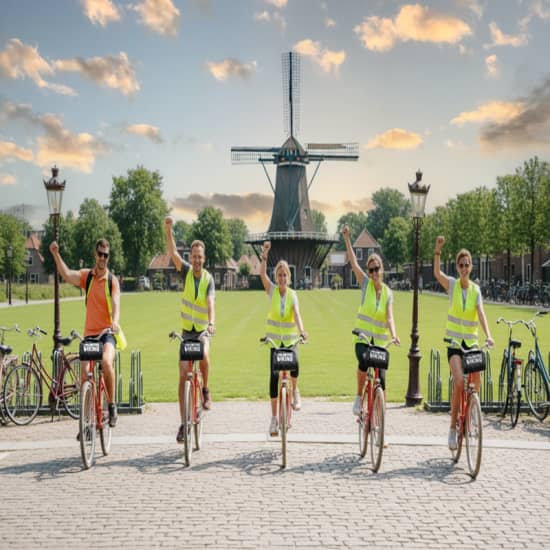
Switzerland, Amsterdam, Brussels and Paris Multi-City Itinerary
Arrival and Zurich highlights
- Zürich Hauptbahnhof to hotel — Zürich HB; afternoon, ~30–60 minutes for arrival and check-in.
- Bahnhofstrasse — City Center; late afternoon, ~1 hour for Switzerland’s flagship shopping boulevard.
- Fraumünster — Lindenhof; late afternoon, ~45 minutes for Marc Chagall’s famous stained-glass windows.
- Grossmünster — Niederdorf; early evening, ~45 minutes for Zürich’s landmark twin-towered church.
- Zeughauskeller — City Center; dinner, ~1.5 hours for traditional Swiss dishes; approximately CHF 30–50 per person.
Arrival and Check-in
From Zürich Hauptbahnhof, walk or take a short tram ride to your hotel, allowing roughly 30–60 minutes for luggage, check-in, and a quick refresh. The station is right in the center, so if your hotel is nearby, walking is usually easiest; otherwise, Zürich’s trams are frequent and straightforward. Keep your bags light for the afternoon, as the old center is best explored on foot.
Late Afternoon Exploring
Start along Bahnhofstrasse, Zürich’s elegant shopping boulevard, wandering south from the station toward Paradeplatz and the lake. The main shops generally stay open until around 7:00 p.m. on weekdays, though hours vary. Turn into the old town for Fraumünster, where the highlight is the vivid stained-glass cycle by Marc Chagall. It usually closes in the early evening, so check the official schedule and aim to arrive before 5:30 p.m.; entry is commonly around CHF 5, with a quiet atmosphere expected inside.
Continue across the Limmat toward Grossmünster, passing through the narrow lanes of Niederdorf. Allow about 45 minutes to see the Romanesque interior and, if open, climb the tower for a superb view over the rooftops and river—tower access is typically around CHF 5 and often ends before the church itself closes. From Fraumünster to Grossmünster, it is an easy 5–10-minute walk, making this a relaxed first introduction to Zürich rather than a rushed sightseeing circuit.
Evening and Dinner
Finish at Zeughauskeller, a historic beer hall near Paradeplatz, for classic Swiss comfort food such as Zürcher-style sausages, rösti, or veal dishes, with dinner typically costing CHF 30–50 per person. It is popular and the long communal tables fill quickly, so arrive around 6:30–7:00 p.m. or reserve ahead. After dinner, stroll back through Niederdorf and along the Limmat—the illuminated old town is especially atmospheric on your first evening.
Zurich city exploration
- Swiss National Museum — Near Zürich HB; morning, ~2 hours for Swiss cultural and historical collections.
- Polybahn — Hochschulquartier; late morning, ~30 minutes including the short ride and views.
- University of Zürich viewpoint — Hochschulquartier; late morning, ~30 minutes for an elevated city panorama.
- Kunsthaus Zürich — Heimplatz; afternoon, ~2 hours for major Swiss and European art.
- Café Odeon — Bellevue; evening coffee or light meal, ~1 hour in Zürich’s historic literary café; approximately CHF 15–30 per person.
Morning: Swiss history and the Polybahn
Start at the Swiss National Museum beside Zürich HB, ideally around 9:30. Allow about two hours for the galleries covering Swiss history, medieval objects, costumes, and the country’s changing political identity. It is usually open from 10:00 to 17:00, with extended hours on some evenings; admission is roughly CHF 13–15 for adults, though temporary exhibitions may cost extra. Afterward, walk east through the Niederdorf lanes toward Central—about 10 minutes—then take the tiny Polybahn up to the ETH Zürich terrace. The ride itself takes only a few minutes, costs a few francs, and is one of Zurich’s most charming short trips; check the day’s operating hours before relying on it.
From the upper station, continue to the University of Zürich viewpoint, where you get a broad look over the rooftops, Limmat River, and Lake Zürich. Spend around half an hour here rather than rushing onward—the panorama is particularly good in clear weather. The university quarter has several casual lunch options, but keep lunch light if you want to give the afternoon proper time.
Afternoon: Kunsthaus Zürich
Walk downhill from the viewpoint toward Heimplatz, taking roughly 15 minutes through the university quarter, for the Kunsthaus Zürich. Plan around two hours for the Swiss and European collections, including important works by artists such as Giacometti, Hodler, Monet, and Picasso. The museum is generally open Tuesday through Sunday from 10:00 to 18:00, with later hours on Wednesday and Friday; standard admission is approximately CHF 23, with discounts and combination tickets available. If your legs need a break, use the museum café or one of the small restaurants around Heimplatz rather than adding another cross-city stop.
Evening: Café Odeon
Finish with an easy walk downhill toward Bellevue and Café Odeon, allowing about 15–20 minutes. This historic café is a good place to slow down over coffee, a snack, or a light meal—expect roughly CHF 15–30 per person. It has long been associated with Zurich’s writers, artists, and political conversations, and the atmosphere is more rewarding than a hurried dinner elsewhere. From Bellevue, trams connect conveniently back toward Zürich HB and most central hotels; check the Zürich city transport app for the exact route, as evening services are frequent but vary by line.
Lucerne arrival and old town
- Zürich–Lucerne train — Zürich HB to Luzern; morning, ~1 hour, then leave luggage at the hotel or station lockers.
- Chapel Bridge and Water Tower — Old Town; late morning, ~45 minutes for Lucerne’s iconic covered bridge.
- Jesuit Church — Reuss riverfront; midday, ~30 minutes for its ornate baroque interior.
- Musegg Wall — Old Town; afternoon, ~1.5 hours for preserved fortifications and city views.
- Wirtshaus Galliker — Old Town; dinner, ~1.5 hours for hearty Lucerne cuisine; approximately CHF 35–60 per person.
Morning
Take the direct train from Zürich HB to Luzern in the morning, aiming to arrive around 9:00–10:00. From Luzern station, your hotel may be walkable; otherwise, leave bags in the station lockers, which are useful if your room is not ready. Walk across the river toward Chapel Bridge and the Water Tower, Lucerne’s signature pairing. Allow about 45 minutes to cross the wooden bridge slowly, look at the historic painted panels overhead, and take the classic riverfront photographs. The bridge is free and accessible all day, though the area becomes noticeably busier by late morning.
Midday
Continue along the Reuss riverfront to the Jesuit Church, only a few minutes away. Its pale pink-and-white Baroque interior is a striking contrast to the medieval buildings outside; allow around 30 minutes, and check the posted service schedule before entering during worship. For lunch, keep it casual around Wildenstrasse or the nearby old town lanes—many restaurants offer rösti, sausages, or seasonal Swiss plates for roughly CHF 20–35. Save your appetite for dinner, since Lucerne portions tend to be generous.
Afternoon and Evening
After lunch, walk through the quieter northern side of the old town toward the Musegg Wall. The climb takes around 15 minutes from the river, and the full visit—including the preserved fortifications, towers open to visitors, and views over the red roofs and lake—works well as a relaxed 1½-hour outing. Access to the wall and towers is seasonal and weather-dependent, generally during daylight from spring through autumn, so check the local notice if rain or strong winds are forecast. Return downhill through Löwengraben and the old town rather than retracing your route. Finish at Wirtshaus Galliker, a traditional, unfussy choice for Lucerne cooking; reserve ahead if possible, and expect about CHF 35–60 per person for dinner.
Lucerne lakeside day
- Lake Lucerne promenade — Nationalquai; morning, ~1 hour for relaxed waterfront views.
- Swiss Museum of Transport — Lidostrasse; late morning to early afternoon, ~3 hours for interactive transport exhibits.
- Verkehrshaus Filmtheater — Swiss Museum of Transport; afternoon, ~1 hour for a large-format film experience.
- Lido Beach — Lake Lucerne; late afternoon, ~1.5 hours for a lakeside break and swimming if conditions suit.
- Restaurant Quai4 — Near the lake; dinner, ~1.5 hours for contemporary Swiss cooking; approximately CHF 35–60 per person.
Morning
Start with a relaxed walk along the Lake Lucerne promenade on Nationalquai, ideally around 9:00. This is a quieter way to enjoy the lake before the boat traffic and day-trippers build up: look across toward Pilatus and Rigi, and keep an eye out for the swans near the water. Allow about an hour, then continue east along the lakeside toward the museum district. From central Lucerne, Luzern Bahnhofquai is roughly a 20-minute walk; buses also run toward the Verkehrshaus stop, and a single local fare is generally around CHF 3–4.
Spend late morning and early afternoon at the Swiss Museum of Transport on Lidostrasse. Give it around three hours—the aviation hall, rail collection, road-transport displays, and interactive sections are particularly good, even if you are not normally a museum person. It is usually open daily from about 10:00 to 17:00, with admission commonly around CHF 35 for adults; check the official site for the current combination-ticket price. There is a museum restaurant, but for a quicker and less expensive lunch, pick up something at the on-site café or nearby Lido Luzern before continuing.
Afternoon and Evening
Stay within the museum complex for a large-format film at the Verkehrshaus Filmtheater. Screenings are scheduled throughout the day, but check the timetable in advance and choose a show that fits your museum visit; films usually last about an hour and may carry a separate ticket of roughly CHF 15–20. Afterwards, walk back toward the lake for a long, unhurried break at Lido Beach. In September, the swimming area and changing facilities may have reduced hours or seasonal closures, so treat swimming as weather-dependent; even if the water is too cool, the shore is an excellent place to sit with a drink and watch boats crossing the lake. Return toward the center by bus or on foot along the promenade, allowing 25–35 minutes.
For dinner, book a table at Restaurant Quai4, near the lake and within easy reach of central Lucerne. Its contemporary Swiss menu is a good fit after a day outdoors, with main courses typically putting the meal around CHF 35–60 per person before drinks. Reserve ahead if you want an early evening table, then keep the rest of the night free for a final stroll beside the water—this is one of those Lucerne days that works best without adding another formal attraction.
Lucerne mountain surroundings
- Lake Lucerne boat to Vitznau — Luzern pier; morning, ~1 hour 15 minutes for a scenic lake crossing.
- Mount Rigi cog railway — Vitznau to Rigi Kulm; late morning, ~1 hour including the ascent.
- Rigi Kulm — Rigi summit; midday, ~2 hours for panoramic Alpine views and an easy summit walk.
- Rigi Kaltbad mineral bath — Rigi Kaltbad; afternoon, ~2 hours for a restorative mountain spa experience.
- Lake Lucerne boat back to Lucerne — Rigi route via Vitznau; late afternoon, ~1.5 hours, checking the seasonal timetable before departure.
- Mill’Feuille — Old Town; dinner, ~1.5 hours for casual Swiss-European food; approximately CHF 25–45 per person.
Morning
Start at the Luzern pier around 8:30–9:00 for the boat to Vitznau. The crossing takes about 1 hour 15 minutes, and this is one of the most enjoyable ways to approach Mount Rigi—sit outside if the weather is clear, with views toward Pilatus, the lake villages, and the wooded lower slopes. Check the exact 2026 timetable on the SGV website or at the pier, as boats are seasonal and less frequent than trains; a Swiss Travel Pass generally covers the boat, while point-to-point fares are roughly CHF 25–35 depending on the ticket and included sections. At Vitznau, walk straight to the adjacent Rigi Railway station and take the cog railway uphill to Rigi Kulm, allowing about an hour for the ascent and intermediate stops.
Midday
Spend roughly two hours at Rigi Kulm, where the summit platform gives an enormous panorama across Lake Lucerne, the Bernese Alps, and—on exceptionally clear days—toward the French and German borders. Take the short, easy summit paths rather than attempting a longer hike today; the exposed ridge can be windy even in September. There is a restaurant at the summit for a simple lunch, but prices are high, so bringing a sandwich from Lucerne is sensible. Keep your boat-and-rail connections in mind: the mountain timetable is coordinated only loosely with lake services, and waiting 30–60 minutes is quite possible.
Afternoon and Evening
Continue by mountain railway to Rigi Kaltbad for about two hours at the Rigi Kaltbad mineral bath. Bring swimwear and a towel or check rental availability; the spa’s outdoor pools are especially pleasant with the mountain horizon in view. Admission is usually around CHF 40–50 for an adult, with opening hours commonly extending into the evening, but reserve or verify the current September schedule before travelling. Afterwards, return toward Vitznau by the Rigi railway and board a scheduled Lake Lucerne boat back to Luzern—allow about 1½ hours and confirm the final useful sailing at Kaltbad or online, since the last connection can be relatively early outside peak summer. For dinner, settle into Mill’Feuille in the Old Town, a relaxed choice for Swiss-European dishes and good people-watching; budget approximately CHF 25–45 per person. From the pier, it is an easy walk through the center, though booking ahead is wise for the evening.
Arrival in Interlaken
- Lucerne–Interlaken Express — Luzern to Interlaken Ost; morning, ~2 hours, with luggage drop-off after arrival.
- Höhematte — Interlaken center; late morning, ~45 minutes for open views toward the Jungfrau massif.
- Interlaken Monastery and Castle — Central Interlaken; midday, ~45 minutes for the town’s historic religious complex.
- Harder Kulm funicular — Harderbahn; afternoon, ~2.5 hours round trip for panoramic views over both lakes.
- Brasserie 17 — Interlaken center; dinner, ~1.5 hours for relaxed brasserie dining; approximately CHF 30–55 per person.
Morning
Take the Luzern–Interlaken Express from Luzern to Interlaken Ost, ideally departing around 8:00–9:00 so you reach town before midday. The journey takes about 1 hour 50 minutes; sit on the lake-facing side when possible, as the route follows the shores of Lake Lucerne before climbing through the Brünig Pass. At Interlaken Ost, leave larger bags in the station lockers or arrange an early hotel drop-off—Interlaken’s center is about a 15-minute walk, or a short local bus ride. Walk toward Höhematte, the broad central meadow, for roughly 45 minutes of open views toward the Jungfrau massif. The paragliders landing here are part of the daily scenery, and the best mountain visibility is often before afternoon cloud builds.
Midday and Afternoon
From Höhematte, it is a five-minute walk to the Interlaken Monastery and Castle complex. Spend about 45 minutes around the former Augustinian monastery, the castle grounds, and the church; entry to the church and exterior areas is generally free, while access to any restricted interior spaces can vary. Afterward, have a light lunch around Höheweg—keep it simple today, since the mountain viewpoint is the main event—and walk back toward Interlaken Ost for the Harder Kulm funicular. The lower station is beside the river and is easy to find; allow around 10 minutes from the historic center. The funicular ride takes only a few minutes, but leave roughly 2½ hours for queues, the viewpoint, and a drink or snack at the summit restaurant. From the Harder Kulm viewing platform, you can see both Lake Thun and Lake Brienz, with the Jungfrau range behind; check the live weather before boarding, as the view is not worth rushing up for in heavy cloud. A return ticket is typically around CHF 38–40, with Swiss Travel Pass discounts often available.
Evening
Return by funicular and stroll through central Interlaken to Brasserie 17, allowing about 15 minutes from the Harderbahn station. Reserve ahead for dinner, particularly on a clear weekend evening; expect approximately CHF 30–55 per person for a relaxed meal, excluding drinks. It is a good first-night choice because the setting is informal and central, so you can eat early and recover from the travel day rather than adding another excursion. After dinner, take a short walk along Höheweg while the hotels and mountain silhouettes begin to light up, then turn in early—the following day is best started fresh for the high alpine scenery.
Interlaken alpine landscapes
- Interlaken Ost–Grindelwald train — Morning, ~35 minutes, departing early for mountain transport connections.
- Grindelwald First gondola — Grindelwald; morning, ~25 minutes for the ascent.
- First Cliff Walk — First summit; late morning, ~1 hour for dramatic cliffside views.
- Bachalpsee — First hiking area; midday, ~2.5 hours round trip for an iconic alpine lake walk.
- Grindelwald village — Afternoon, ~1 hour for cafés, chalet streets, and mountain scenery.
- Onkel Tom’s Hütte — Grindelwald; dinner, ~1.5 hours for pizza and Swiss comfort food; approximately CHF 25–45 per person.
Morning
Catch the Interlaken Ost–Grindelwald train around 7:30–8:00, before the main mountain crowds arrive. The journey takes about 35 minutes, with excellent views of the Lütschine valley; check the SBB app for the exact platform and any seasonal timetable changes. At Grindelwald station, walk roughly 10 minutes through the village to the Grindelwald First gondola. A return gondola ticket is typically around CHF 68–76, though the Swiss Travel Pass and regional passes may reduce the fare. The ride to First takes about 25 minutes—bring a light layer, as the summit can feel much cooler than Interlaken.
At the top, do the First Cliff Walk first, before setting off toward Bachalpsee. Allow about an hour for the cliffside walkway and viewing platforms; it is straightforward but can feel exposed in places, so comfortable shoes are worthwhile. Then follow the well-marked mountain path to Bachalpsee, allowing approximately 2.5 hours round trip including time beside the lake. The trail is a steady uphill walk in the first section, and the classic reflection views depend on calm weather, so start early and carry water, snacks, and sun protection. If cloud covers the peaks, the walk is still scenic, but check conditions at the gondola station before committing.
Afternoon and Evening
Return by gondola to Grindelwald village and spend an unhurried hour wandering the chalet-lined streets around Dorfstrasse. This is a good place for coffee or cake rather than a large lunch—many cafés have terraces with views toward the surrounding peaks. If you want a proper meal before dinner, keep it light, as portions at Onkel Tom’s Hütte are generous. The restaurant is an easy walk from the village center, but check its September opening hours and reserve if possible; pizza and Swiss comfort dishes generally cost about CHF 25–45 per person. Plan the return train to Interlaken Ost after dinner, allowing roughly 35 minutes, and keep a little flexibility for the final gondola descent and train connection.
Interlaken lakes and valleys
- Interlaken–Lauterbrunnen train — Morning, ~25 minutes through the Lütschinen valley.
- Staubbach Falls — Lauterbrunnen; morning, ~45 minutes for Switzerland’s famous valley waterfall.
- Trümmelbach Falls — Lauterbrunnen valley; late morning, ~1.5 hours for dramatic glacial waterfalls inside the mountain.
- Lauterbrunnen–Mürren mountain transport — Via Grütschalp; midday, ~45 minutes including transfers.
- Mürren village walk — Mürren; afternoon, ~2 hours for car-free streets and views of the Schilthorn range.
- Hotel Oberland Restaurant — Lauterbrunnen; dinner, ~1.5 hours for regional dishes; approximately CHF 30–55 per person.
Morning
Take the Interlaken–Lauterbrunnen train around 8:00–8:30 from Interlaken Ost; the ride takes roughly 25 minutes through the Lütschinen valley. Check the SBB app that morning, as services can change, and sit by the window for views of the steep valley walls. From Lauterbrunnen station, walk about 15 minutes toward Staubbach Falls. Allow around 45 minutes to enjoy the waterfall and the classic valley view; the short path is free, though access close to the spray can be restricted depending on conditions. Continue by the local bus toward Trümmelbach Falls—buses take about 10 minutes, and the stop is near the entrance. The falls are generally open from around 9:00 to 17:00 in September, with entry approximately CHF 16; wear sturdy shoes, as the tunnels and stairways are wet and slippery.
Afternoon and Evening
After roughly 1½ hours at Trümmelbach Falls, return to Lauterbrunnen and use the mountain transport toward Mürren via Grütschalp: take the cable car to Grütschalp, then the mountain railway onward to Mürren. Allow about 45 minutes including the connection, and check the timetable before setting off. Spend around two hours wandering Mürren’s car-free village streets, pausing at viewpoints toward the Schilthorn range; the walk is more enjoyable if you leave the main station area and follow the quieter lanes toward the southern end of the village. Return via the same route, then have dinner at Hotel Oberland Restaurant in Lauterbrunnen, a convenient choice near the station and village center. Expect about CHF 30–55 per person for regional dishes; booking is sensible in September, especially for an early evening table. Keep your return train to Interlaken flexible, but aim to leave after dinner rather than relying on the final service.
Amsterdam arrival and canal district
- Interlaken–Amsterdam train — Interlaken Ost to Amsterdam Centraal; morning to afternoon, ~9–10 hours with transfers; reserve seats and keep dinner provisions for the journey.
- Hotel check-in and canal-district walk — Amsterdam-Centrum; evening, ~1 hour for a gentle orientation after arrival.
- Dam Square and Royal Palace exterior — Centrum; early evening, ~45 minutes for Amsterdam’s historic civic center.
- De Belhamel — Jordaan edge; dinner, ~1.5 hours for canal-side European dining; approximately €35–55 per person.
- Canal cruise — Central canal ring; evening, ~1.5 hours for Amsterdam’s best first-night perspective.
Morning and Journey
Leave Interlaken Ost around 6:30–7:30 for the long rail journey to Amsterdam Centraal, allowing roughly 9–10 hours with changes. Reserve seats if possible and pack breakfast, water, and something for dinner; station food is available, but the connections are much easier when you are not searching for provisions. On arrival, take the short walk or a tram to your hotel in Amsterdam-Centrum, leaving about an hour for check-in, luggage, and a quick refresh.
Evening: First Look at Amsterdam
Begin your orientation at Dam Square, where the Royal Palace forms the grand western edge of the square. The palace may be closed by the time you arrive, so treat this as an exterior visit and spend 30–45 minutes taking in the civic buildings, Nieuwe Kerk, and the busy pedestrian streets around Kalverstraat. From here, walk approximately 15 minutes west toward the Jordaan, following the quieter canals around Herengracht and Prinsengracht rather than the busiest shopping streets.
For dinner, settle into De Belhamel on the Jordaan edge, a charming canal-side restaurant known for European cooking and a relaxed setting. Allow about 1½ hours and budget approximately €35–55 per person; request a table near the windows or terrace when booking. After dinner, return toward the central canal ring for a 1½-hour evening canal cruise—a particularly good first-night introduction, as the illuminated bridges and narrow canal houses are more atmospheric after dark. Check the exact departure pier and final sailing time when booking, since evening schedules vary by operator and season; bring a light layer, as the open deck can feel cool even in September.
Amsterdam city exploration
- Rijksmuseum — Museumplein; morning, ~2.5 hours for Dutch masters and national art.
- Vondelpark — Oud-Zuid; midday, ~1 hour for a relaxed park walk.
- Van Gogh Museum — Museumplein; afternoon, ~2 hours for the world’s leading Van Gogh collection.
- De Pijp and Albert Cuyp Market — De Pijp; late afternoon, ~1.5 hours for street food and neighborhood atmosphere.
- Bakers & Roasters — De Pijp; dinner, ~1.5 hours for generous brunch-style plates; approximately €20–35 per person.
Morning
Start around 9:00 at the Rijksmuseum in Museumplein, arriving via Rijksmuseum tram stop or walking from Amsterdam Centraal in about 20–25 minutes. Reserve a timed entry online—adult admission is usually around €25—and allow roughly 2½ hours for the galleries. Prioritize Rembrandt’s The Night Watch, Vermeer, the Gallery of Honour, and the collection of Dutch maritime and decorative arts. The museum is generally open daily from 9:00 to 17:00; earlier entry is worthwhile, especially on a Sunday.
Afterward, walk south through Oud-Zuid to Vondelpark, about 10 minutes from the museum. Spend an hour on the paths around the ponds and rose garden rather than trying to cover the entire park. This is a good point to slow down with coffee or a light snack at Groot Melkhuis, though opening times can vary, so keep the stop casual. From the park, walk back toward Museumplein for the Van Gogh Museum; allow about 15 minutes and use your reserved timed ticket, as same-day entry is often unavailable.
Afternoon and Evening
Give the Van Gogh Museum around two hours, focusing on the progression from his early Dutch work to the brighter paintings of southern France, including Sunflowers and The Bedroom. Tickets are generally around €25, and the museum commonly opens from 9:00 until 17:00 or later depending on the date—check the official schedule when booking. From Museumplein, take tram 3 or 12 toward De Pijp, or walk in roughly 20 minutes. Explore Albert Cuyp Market along Albert Cuypstraat, where stalls sell stroopwafels, herring, cheeses, spices, and Surinamese snacks; Sunday trading can be more limited than weekday hours, so treat it as a neighborhood wander rather than relying on every stall being open.
Finish with dinner at Bakers & Roasters in De Pijp, a friendly spot known for generous New Zealand- and Brazilian-influenced brunch plates, eggs, and coffee. Expect approximately €20–35 per person; queues are possible, and reservations may not always be available, so arrive before the main dinner rush. Afterward, stroll along Sarphatipark or the quieter side streets around Gerard Doustraat—a pleasant local finish without adding another major attraction.
Brussels arrival and historic center
- Amsterdam–Brussels train — Amsterdam Centraal to Bruxelles-Midi; morning, ~2 hours, then use a taxi or metro for hotel drop-off.
- Grand-Place — Historic center; late morning, ~1 hour for Brussels’ ornate central square.
- Brussels Town Hall exterior — Grand-Place; late morning, ~30 minutes for Gothic architecture and photo views.
- Galeries Royales Saint-Hubert — Near Grand-Place; midday, ~45 minutes for elegant 19th-century shopping arcades.
- Manneken Pis — Ilot Sacré; afternoon, ~20 minutes for Brussels’ famously small mascot landmark.
- Le Cirio — Historic center; dinner, ~1.5 hours in a Belle Époque café-restaurant; approximately €25–45 per person.
Morning
Take the planned morning Eurostar from Amsterdam Centraal to Bruxelles-Midi, aiming for an 8:00–9:00 departure. After arrival, leave your luggage at the hotel—Bruxelles-Midi is connected to the metro, but a taxi is easier with bags—and make your way toward the historic center. Allow about 20–30 minutes from the station, depending on traffic and check-in arrangements. If your room is not ready, most hotels will store luggage; avoid carrying it around the cobbled streets.
Head first to Grand-Place, ideally before the square becomes busiest. Give yourself about an hour to take in the guildhalls, gilded façades, and the open view toward the Brussels Town Hall. The Town Hall is primarily an exterior stop today: look closely at its asymmetrical Gothic façade and the tall tower, then step into the surrounding lanes for better photographic angles. From here, it is only a few minutes on foot to the Galeries Royales Saint-Hubert. Spend around 45 minutes wandering beneath the glass roof, where chocolate shops, bookshops, and polished cafés occupy the elegant 19th-century arcades. Prices are high here, so it is better for browsing than for a full meal.
Afternoon and Evening
After lunch in the nearby Ilot Sacré, continue on foot through the narrow historic lanes to Manneken Pis, roughly five minutes from the galleries. The statue itself takes only 20 minutes, and it is intentionally tiny—do not expect a grand monument. Check the nearby museum or shop displays only if the character is dressed for a special occasion; otherwise, enjoy the cheerful street scene and continue exploring at an unhurried pace. Keep valuables secure in this crowded pocket of the center, particularly around the busiest approach streets.
For dinner, settle into Le Cirio, a Belle Époque café-restaurant near Bourse and the central squares. It is a good first-night choice because you can walk there rather than commit to another taxi. Allow about 1½ hours and budget approximately €25–45 per person; the setting is the main attraction, with dark wood, mirrors, and old Brussels atmosphere. Reserve if possible, especially for an evening arrival, and ask for a table indoors to appreciate the historic interior.
Brussels city exploration
- Magritte Museum — Royal Quarter; morning, ~2 hours for Belgium’s surrealist master.
- Mont des Arts — Royal Quarter; late morning, ~45 minutes for gardens and city views.
- Parc de Bruxelles — Royal Quarter; midday, ~45 minutes for a central green break.
- Maison Antoine — Place Jourdan; lunch, ~45 minutes for a classic Belgian cone of fries; approximately €8–15 per person.
- European Parliament Parlamentarium — European Quarter; afternoon, ~1.5 hours for an accessible EU history experience.
- Cantillon Brewery — Anderlecht; late afternoon, ~1.5 hours for traditional lambic brewing and tastings; approximately €15–25 per person.
Morning: Surrealism and the Royal Quarter
Start around 10:00 at the Magritte Museum, on Rue de la Régence, allowing about two hours for René Magritte’s paintings, sketches, and carefully staged surrealist worlds. The museum generally opens at 10:00 and timed tickets are worth booking ahead; admission is usually around €10–15. From Bruxelles-Midi, take tram 92 or 93 toward the Royal Quarter, or use the metro to Gare Centrale and walk uphill. Afterward, spend roughly 45 minutes at Mont des Arts, where the formal gardens give one of the best elevated views across central Brussels—especially attractive in the morning light. Continue through Parc de Bruxelles for another 45-minute pause beneath the trees, using the broad central paths rather than trying to hurry between monuments.
Lunch and the European Quarter
Make your way to Place Jourdan for lunch at Maison Antoine, one of the city’s classic friteries. Order a cone of fries with a sauce—samurai or andalouse are popular choices—and expect to pay about €8–15 per person. It is casual, takeaway-style eating, so join locals around the square or find a nearby bench; allow around 45 minutes. From Place Jourdan, walk approximately 15 minutes to the European Parliament Parlamentarium in the European Quarter. The interactive exhibition usually runs into the early evening, but check the current schedule and bring identification for entry; admission is free, and the visit takes about 1½ hours. The audio tour is particularly useful because it explains how the European Union works without assuming much prior knowledge.
Late Afternoon: Lambic in Anderlecht
Finish at Cantillon Brewery, in Anderlecht, reached from the European Quarter by metro—typically via Schuman or Maelbeek, changing toward Gare de l’Ouest, then walking the final stretch. Allow about 1½ hours for the traditional brewery tour and tastings, usually around €15–25 per person. Cantillon is a working, atmospheric brewery rather than a polished visitor center, with copper equipment, wooden barrels, and the distinctive earthy aroma of spontaneous-fermentation lambic. Check opening hours and tour availability before setting out, as tastings can follow a specific schedule; after the visit, you can return toward the center by metro, or linger nearby for a simple dinner rather than adding another major sight.
Paris arrival and central landmarks
- Brussels–Paris train — Bruxelles-Midi to Paris Gare du Nord; morning, ~1.5 hours, then transfer luggage to the hotel.
- Île de la Cité walk — Central Paris; afternoon, ~1 hour for an orientation along the Seine.
- Notre-Dame de Paris — Île de la Cité; afternoon, ~1 hour for the restored cathedral exterior and interior visit if available.
- Sainte-Chapelle — Île de la Cité; late afternoon, ~1 hour for exceptional medieval stained glass.
- Le Procope — Saint-Germain-des-Prés; dinner, ~1.5 hours at Paris’s historic restaurant; approximately €35–60 per person.
- Seine riverside walk — Saint-Germain to Pont Neuf; evening, ~1 hour for illuminated central Paris.
Morning and Arrival
Take the planned morning Eurostar from Bruxelles-Midi to Paris Gare du Nord, allowing roughly 1½ hours on the train plus station time. After arriving, transfer your luggage to the hotel—metro line 4 is the most direct public-transport option toward central Paris, while a taxi is easier with several bags. Keep the morning deliberately light; after check-in or luggage drop-off, head toward the river by Metro line 4 to Cité or Saint-Michel, depending on where you are staying.
Afternoon: Île de la Cité
Begin your first Paris walk on Île de la Cité, following the riverside paths and quays for about an hour. Take your time around the Square du Vert-Galant and the western tip of the island, where the Seine opens out in both directions and you get an excellent first view of the city’s bridges. Continue to Notre-Dame de Paris for the restored cathedral’s exterior and, if visitor access is operating, an interior visit; entry is generally free, but booking through the official reservation system can be useful, and security queues may be significant. A short walk brings you to Sainte-Chapelle—reserve a timed ticket in advance, as the chapel’s exceptional 13th-century stained glass is best seen with enough daylight. Allow about an hour, and remember that security restrictions mean large bags are inconvenient.
Evening: Saint-Germain and the Seine
From Sainte-Chapelle, walk or take a short taxi ride across to Saint-Germain-des-Prés for dinner at Le Procope, on Rue de l’Ancienne Comédie. This atmospheric, historic restaurant is a good first-night choice, with traditional French dishes and a setting steeped in Parisian literary and political history; budget approximately €35–60 per person, and reserve ahead for dinner. Afterward, walk east along the Seine from Saint-Germain toward Pont Neuf, taking the quays at an easy pace for about an hour. The illuminated bridges, riverside booksellers, and views back toward Île de la Cité make this a better introduction to nighttime Paris than trying to fit in another major attraction.
Paris historic heart
- Panthéon — Latin Quarter; morning, ~1.5 hours for France’s monumental mausoleum.
- Luxembourg Gardens — 6th arrondissement; late morning, ~1.5 hours for formal gardens and the Medici Fountain.
- Rue Mouffetard — Latin Quarter; lunch stroll, ~1 hour for one of Paris’s atmospheric market streets.
- Musée de Cluny — Latin Quarter; afternoon, ~2 hours for medieval art and the Roman baths.
- Berthillon — Île Saint-Louis; late afternoon, ~45 minutes for renowned artisanal ice cream; approximately €8–15 per person.
- Le Relais de l’Entrecôte — Saint-Germain-des-Prés; dinner, ~1.5 hours for its classic steak-frites format; approximately €35–50 per person.
Morning
Start around 9:30 at the Panthéon, reached by metro to Cardinal Lemoine or Luxembourg. Allow about 1½ hours inside this grand neoclassical mausoleum, where France’s famous figures are buried beneath the vast painted dome; check the official site for the day’s opening time and expect roughly €13 admission. From here, walk downhill through the quiet lanes of the Latin Quarter toward the Luxembourg Gardens, taking about 15–20 minutes. Spend an unhurried hour and a half around the formal parterres, Medici Fountain, tree-lined promenades, and the area near the Palais du Luxembourg. The gardens are free and open from morning until evening, with closing time varying by season.
Lunch and Afternoon
Continue north toward Rue Mouffetard, around 20 minutes on foot, or take a short bus ride if you prefer to save your legs. Browse the food shops, bakeries, cheese counters, and small cafés along this atmospheric market street; for a casual lunch, choose whatever looks busiest rather than committing to a formal meal. Afterward, walk back toward the heart of the Latin Quarter for the Musée de Cluny, allowing roughly two hours for its medieval art collection and remarkably preserved Roman baths. Timed entry is sensible, particularly on weekends, and admission is generally around €12–15; check its weekly closure and late-opening schedule before setting out.
Late Afternoon and Evening
Cross to Île Saint-Louis for Berthillon, an easy 15–20-minute walk from the museum via Pont de la Tournelle. Order a cone or cup—allow €8–15 per person—and eat it while wandering the island’s elegant Rue Saint-Louis-en-l’Île; the main shop’s opening days and hours can vary, so verify them beforehand. Finish in Saint-Germain-des-Prés at Le Relais de l’Entrecôte, where the fixed format is steak served with green salad followed by a second helping of frites and sauce. Expect about €35–50 per person, with no reservations and queues common at dinner, so arrive around 18:30–19:00 or be prepared to wait. From there, Saint-Germain-des-Prés metro station and nearby buses make the return journey straightforward.
Paris museums and galleries
- Louvre Museum — 1st arrondissement; morning, ~3.5 hours for major masterpieces and antiquities.
- Jardin des Tuileries — Louvre–Tuileries; early afternoon, ~1 hour for a restorative formal-garden walk.
- Musée de l’Orangerie — Tuileries; afternoon, ~1.5 hours for Monet’s Water Lilies.
- Musée d’Orsay — Left Bank; late afternoon, ~2.5 hours for Impressionist and Post-Impressionist art.
- Café de Flore — Saint-Germain-des-Prés; evening, ~1 hour for a classic Paris café stop; approximately €15–30 per person.
Morning
Start early at the Louvre Museum, ideally for a timed entry around 9:00 or 9:30. Allow about 3½ hours, but do not try to cover every wing: focus on the Denon rooms for the Mona Lisa, Winged Victory of Samothrace, and Venus de Milo, then choose either Egyptian antiquities or the French Crown jewels. General admission is usually around €22, and the museum is typically closed on Tuesdays; book only through the official website and arrive 20–30 minutes early for security. From central Paris, walk if staying nearby or use Metro line 1 to Palais Royal–Musée du Louvre.
Afternoon
After lunch around Rue de Rivoli—a quick crêpe or sandwich is more practical than a long restaurant meal—walk straight into the Jardin des Tuileries. Spend about an hour under the clipped chestnut trees, stopping by the fountains and green metal chairs around the ponds; this is a good place to slow down after the Louvre. Continue to the Musée de l’Orangerie, at the garden’s western end, for roughly 1½ hours with Monet’s Water Lilies as the highlight. Timed tickets are worthwhile, and admission is generally about €12; allow extra time if the security queue stretches outside.
Late afternoon, cross the Place de la Concorde and take Metro line 12 from Concorde to Solférino, or walk for around 20 minutes, to the Musée d’Orsay. Give yourself about 2½ hours for its Impressionist and Post-Impressionist collection, especially Monet, Renoir, Degas, Van Gogh, and Cézanne. The museum usually stays open later on Thursdays, often until around 9:45 p.m., though you should confirm the September schedule and reserve a timed ticket; standard admission is commonly about €16.
Evening
Finish in Saint-Germain-des-Prés at Café de Flore, reached from Musée d’Orsay by walking across the river in roughly 20 minutes or by taking Metro line 12 toward Saint-Germain-des-Prés. Settle in for an hour rather than rushing through dinner: coffee, hot chocolate, an omelette, or a light plate is the classic choice, with approximately €15–30 per person depending on your order. The café is famously polished and expensive for what it is, but the people-watching along Boulevard Saint-Germain is part of the experience; if there is a queue, take a short stroll around Rue de Buci and return.
Paris neighborhoods and gardens
- Sacré-Cœur Basilica — Montmartre; morning, ~1 hour for hilltop views and the basilica interior.
- Montmartre artists’ quarter — Place du Tertre and surrounding lanes; late morning, ~1.5 hours for village-like streets and ateliers.
- Musée de Montmartre — Montmartre; midday, ~1.5 hours for neighborhood artistic history.
- Marché des Enfants Rouges — Le Marais; lunch, ~1.5 hours for diverse food stalls; approximately €15–30 per person.
- Place des Vosges — Le Marais; afternoon, ~45 minutes for Paris’s elegant historic square.
- L’As du Fallafel — Le Marais; early dinner, ~45 minutes for a famous casual meal; approximately €10–20 per person.
Morning: Montmartre
Start around 8:30 at Sacré-Cœur Basilica, taking Metro line 12 to Abbesses or line 2 to Anvers. From either station, expect a steep walk; the funicular beside the basilica accepts a regular Paris transit ticket if you would rather save your legs. The basilica itself is free and generally opens from early morning, while the dome has a separate admission—roughly €8–10—and is worth considering for even broader views. Go first, before the steps and viewpoint fill with visitors, and keep phones and wallets secure around the funicular, stairs, and crowded terraces.
From the basilica, wander downhill through the Montmartre artists’ quarter, taking in Place du Tertre, Rue des Abbesses, and the quieter lanes around Rue de Saules. Allow about 1½ hours without feeling obliged to buy from every portrait artist; the best pleasure here is getting slightly lost among old stairways, ivy-covered façades, and small ateliers. Continue to the Musée de Montmartre, usually open roughly 10:00–18:00, with admission around €15–16. Its rooms and gardens tell the story of the neighborhood’s cabarets and artists, and it is a much calmer, more atmospheric stop than another major museum.
Lunch and Afternoon: Le Marais
Take Metro line 12 from Abbesses to Concorde, then line 1 to Hôtel de Ville, or use a taxi if you are tired; allow around 30–40 minutes. Have lunch at Marché des Enfants Rouges, Paris’s historic covered market, generally open from late morning into the afternoon but often closed on Mondays. Arrive around 13:00, when several stalls are operating, and budget €15–30 per person. Choose whatever looks freshest—Moroccan plates, crêpes, or the well-known Japanese stand—and expect shared tables and a lively, informal atmosphere rather than restaurant-style service.
After lunch, stroll through Le Marais to Place des Vosges, about 15–20 minutes away via Rue des Rosiers and the surrounding hôtel particulier streets. Give the square 45 minutes: walk beneath its arcades, sit on the lawns if permitted, and look into the elegant red-brick façades. For an early dinner, return toward Rue des Rosiers for L’As du Fallafel. A falafel sandwich is roughly €10–15, with a casual sit-down meal closer to €20; queues are common, so takeaway is usually faster. This is a good point to end the planned day—otherwise wander the nearby lanes after dinner rather than adding another scheduled sight.
Paris finale
- Eiffel Tower — Champ de Mars; morning, ~2.5 hours for Paris’s signature landmark and summit or second-floor views.
- Musée du Quai Branly–Jacques Chirac — Near the Eiffel Tower; midday, ~2 hours for global Indigenous arts and cultures.
- Arc de Triomphe — Champs-Élysées; afternoon, ~1.5 hours for rooftop views over Parisian avenues.
- Champs-Élysées walk — 8th arrondissement; late afternoon, ~1 hour for the grand ceremonial avenue.
- Le Train Bleu — Gare de Lyon; celebratory dinner, ~2 hours in its lavish Belle Époque dining room; approximately €60–100 per person.
Morning
Make this your big Paris panorama day: arrive at the Eiffel Tower around 8:30–9:00, before the Champ de Mars fills with tour groups. Allow about 2½ hours, including security and the lift to the second floor or summit; book a timed ticket through the official website, with summit fares generally around €35–40. The most atmospheric approach is from Trocadéro, crossing the Seine for the classic view, then entering from the tower’s east or south pillars. Afterward, walk roughly 10 minutes through Champ de Mars to the Musée du Quai Branly–Jacques Chirac. Set aside two hours for its striking collection of Indigenous art and objects from Africa, Asia, Oceania, and the Americas; check the official calendar because it is commonly closed on Mondays, and admission is usually about €14. The garden café is convenient, but the nearby Rue Cler area is better for a casual lunch if you want a short wander.
Afternoon and Evening
Take Metro line 9 from Alma–Marceau toward Franklin D. Roosevelt, or use a taxi for a simpler 15-minute transfer, then walk to the Arc de Triomphe. Allow about 1½ hours, including the climb of roughly 280 steps to the rooftop; tickets are generally around €16, and the monument usually opens from 10:00 until late afternoon or evening, with final admission earlier than closing. From the top, watch the twelve avenues radiate out in an almost theatrical pattern—go carefully at the traffic-circle crossing, using the underground pedestrian passage rather than attempting the road. Continue along the Champs-Élysées for about an hour, keeping to the pavement on the quieter upper stretch near Avenue George V if the central retail section feels too busy. For your final dinner, take Metro line 1 from George V to Gare de Lyon and reserve ahead at Le Train Bleu, inside the station’s Hall 1. Its gilded Belle Époque dining room is part of the occasion; allow two hours and roughly €60–100 per person, arriving a little early to admire the painted ceilings before dinner.