14-Day Switzerland, Vienna, and Prague Itinerary
Arrival and orientation in Zurich
- Zürich Hauptbahnhof — City Center; arrive, leave luggage, and orient yourself around Switzerland’s main rail hub (late morning, ~30 minutes).
- Bahnhofstrasse — City Center; stroll one of Europe’s classic shopping boulevards toward the lake (late morning, ~1 hour).
- Grossmünster — Old Town; visit Zürich’s landmark twin-towered church and riverside quarter (early afternoon, ~1 hour).
- Kunsthaus Zürich — Hottingerplatz; explore major Swiss and European art collections (afternoon, ~2 hours).
- Zeughauskeller — Lindenhof; enjoy traditional Swiss dishes in a historic guildhall, approximately CHF 30–50 per person (evening, ~1.5 hours).
Late Morning: Arrive and Get Oriented
Start at Zürich Hauptbahnhof, the city’s enormous central station and one of Europe’s busiest rail hubs. If your hotel is not yet ready, use the station’s luggage lockers—arrive with some Swiss francs or a card, and allow about 30 minutes to get settled. The station opens directly onto Bahnhofstrasse, so this is an easy first walk rather than a day for complicated transit. Follow the boulevard south toward the lake, browsing the elegant shops and smaller side streets; the most interesting atmosphere is around Augustinergasse, where painted façades and bay windows make a pleasant detour. Allow roughly an hour, with a coffee stop if jet lag is setting in.
Early Afternoon: Old Town and the Limmat
Continue into Zürich’s Old Town and make Grossmünster your anchor. The church is usually open from late morning into the afternoon, though hours can vary for services; entry to the nave is generally free, while the tower climb costs approximately CHF 5–7 and involves a tight stairway. From here, wander along the Limmat and across the nearby bridges for views back toward the church before taking a relaxed lunch or snack in the old quarter. From Grossmünster to Kunsthaus Zürich, it is about a 10-minute walk uphill; tram routes 3 or 9 can shorten the climb if needed.
Afternoon: Art at Kunsthaus Zürich
Spend around two hours at Kunsthaus Zürich, whose collection ranges from Swiss masters to major European modern and contemporary works. Check the museum’s current exhibitions and opening hours before setting out—regular admission is commonly around CHF 24–29, with discounts and occasional reduced pricing for collection-only visits. The museum is closed on Mondays, but Thursday evening hours are often extended; otherwise, an afternoon visit leaves time to explore without rushing. Afterward, take a gentle walk back through Niederdorf toward Lindenhof, or pause at a café rather than adding another formal sight.
Evening: Dinner at Zeughauskeller
Have dinner at Zeughauskeller, a historic former arsenal near Lindenhof known for hearty Swiss dishes such as rösti, sausages, and veal Zürcher-style. Budget approximately CHF 30–50 per person before drinks. It is a popular first-night choice and can become busy from 18:30 onward, so arrive early or reserve ahead; portions are substantial, making it easy to keep the evening simple after travel. From Kunsthaus Zürich, walk downhill through the Old Town in about 15 minutes, or take a short tram ride toward the central stops.
Lucerne lakeside escape
- Chapel Bridge — Old Town, Lucerne; begin beside Lucerne’s iconic covered wooden bridge (morning, ~45 minutes).
- Jesuit Church — Old Town, Lucerne; admire the ornate Baroque interior on the Reuss River (morning, ~30 minutes).
- Musegg Wall — Old Town, Lucerne; walk a preserved section of the medieval fortifications for city views (late morning, ~1 hour).
- Lake Lucerne boat cruise — Luzern harbor; take a scenic cruise past Alpine lakeshore villages (afternoon, ~2.5 hours).
- Wirtshaus Galliker — Old Town, Lucerne; eat classic Lucerne fare in a long-established inn, approximately CHF 35–60 per person (evening, ~1.5 hours).
Morning
After arriving in Lucerne, head toward the river and begin at Chapel Bridge, ideally around 9:30–10:00 AM before the Old Town becomes busy. Allow about 45 minutes to cross slowly and look up at the painted 17th-century panels; the nearby Water Tower makes the best photo pairing. From the bridge, it is a five-minute walk along the Reuss to the Jesuit Church, whose pale pink-and-white Baroque interior is especially lovely in the morning light. Entry is free, though services may limit access; check the posted hours at the door.
Continue uphill through the Old Town lanes toward the Musegg Wall—roughly 15 minutes on foot, with a moderately steep final approach. Walk the accessible section of the medieval fortifications for about an hour, stopping at the open towers for views over the rooftops, lake, and surrounding peaks. The wall is generally open from around 8:00 AM to 7:00 PM in the warmer months, but tower access can change with weather or maintenance. Wear shoes with good grip, and use the city’s public lifts or buses only if the uphill walk is uncomfortable.
Afternoon and Evening
Return downhill toward Luzern harbor and have a light lunch near the waterfront before your Lake Lucerne boat cruise, allowing roughly 2½ hours for a scenic round trip. Check the exact sailing timetable with Lake Lucerne Navigation Company (SGV), since departures vary by date; a cruise toward Vitznau or Weggis gives you the prettiest combination of open water, lakeshore villages, and mountain views. Arrive 15–20 minutes early, particularly if you want an outdoor seat. Boats accept the Swiss Travel Pass, while ordinary fares vary by route; reserve a meal onboard only if you want a longer, more formal outing.
After disembarking, wander the quieter lanes around Hertensteinstrasse or relax briefly beside the lake before dinner at Wirtshaus Galliker, a traditional inn in the Old Town about a 10-minute walk from the harbor. Expect approximately CHF 35–60 per person for hearty Lucerne specialties in a convivial, unfussy setting; reservations are sensible for the evening. Keep the rest of the night easy—Lucerne is most enjoyable after dark when the riverfront and covered bridge quieten down.
Mountain scenery in Interlaken
- Harder Kulm — Interlaken; ride the funicular for panoramic views over Lakes Thun and Brienz (morning, ~2 hours).
- Höhematte Park — Interlaken; relax in the central meadow with views toward the Jungfrau massif (late morning, ~45 minutes).
- Interlaken Ost — Interlaken; browse the station area and take a short lakeside walk along the Aare (midday, ~1 hour).
- St. Beatus Caves — Beatenberg; explore dramatic caves and waterfalls above Lake Thun (afternoon, ~2 hours, allow ~30 minutes each way by bus).
- Restaurant Taverne — Interlaken; have Swiss and Alpine dishes near the center, approximately CHF 35–60 per person (evening, ~1.5 hours).
Morning
Arrive in Interlaken around 9:30–10:00 AM and leave your luggage at your hotel or the station lockers before heading to the Harder Kulm funicular. The lower station is about a 10-minute walk from Interlaken Ost; allow roughly two hours for the ride, viewpoint, and a coffee at the top. The funicular generally operates from late morning through the afternoon in September, but check the timetable before leaving Lucerne, as weather and maintenance can affect service. A return ticket is approximately CHF 40–45, with discounts available on the Swiss Travel Pass. From the viewing platform, you get the classic bird’s-eye view of Interlaken, Lake Thun, Lake Brienz, and—on a clear day—the Jungfrau massif.
Walk back toward the center and spend about 45 minutes in Höhematte Park, the broad meadow where paragliders often land. This is an easy place to slow down after the mountain viewpoint: bring a pastry or takeaway coffee, and look toward the mountains rather than expecting a formal park attraction. Continue toward Interlaken Ost for a relaxed hour around the station and a short walk beside the Aare. The riverside paths are pleasant and flat; station bakeries and supermarkets are useful for an inexpensive lunch, generally CHF 10–20, before the afternoon excursion.
Afternoon and Evening
For St. Beatus Caves, take the scheduled bus from Interlaken Ost toward Beatenberg—check the exact connection in the SBB Mobile app, as services are less frequent than trains. Allow around 30 minutes each way and roughly two hours on site. The cave entrance is reached by a steep, wooded path beside waterfalls, so wear shoes with good grip. The museum and illuminated cave route usually operate seasonally through September, with admission commonly around CHF 19–20; verify the final entry time before setting out, since afternoon hours can be limited. Return to Interlaken and have dinner at Restaurant Taverne, where Alpine staples such as rösti, cheese dishes, and seasonal Swiss plates usually run CHF 35–60 per person. Reserve ahead if you want an early table, particularly on a clear weekend evening.
Jungfrau region exploration
- Grindelwald–First cable car — Grindelwald; ascend to spectacular mountain viewpoints and trail access (morning, ~3 hours).
- First Cliff Walk — First; take the short, exhilarating cliffside walkway above the valley (late morning, ~45 minutes).
- Bachalpsee — First; hike to one of the Bernese Oberland’s most photogenic alpine lakes (late morning, ~2 hours return).
- Grindelwald village — Village center; browse chalet-lined streets with views of the Eiger (afternoon, ~1 hour).
- Barry’s — Grindelwald; eat hearty Alpine cuisine with mountain views, approximately CHF 30–55 per person (evening, ~1.5 hours).
Morning
From Grindelwald station, walk about 10 minutes through the village to the Grindelwald–First cable car; arriving around 8:30–9:00 AM gives you a quieter ride and better trail conditions. The ascent takes roughly 25 minutes, and a return ticket is generally around CHF 36–40, with reductions available using a Swiss Travel Pass. At the top, start with the First Cliff Walk, a short but thrilling metal walkway projecting over the mountainside. It takes about 45 minutes including photo stops, and mornings are usually clearest before clouds build around the peaks.
Continue on foot toward Bachalpsee, following the well-marked trail for approximately one hour each way. This is an easy-to-moderate alpine walk, but it is exposed and can feel strenuous at altitude; wear proper shoes and carry water. Allow around two hours return, including time beside the lake for the classic reflection view of the peaks. Check the cable-car and trail conditions before setting out, since September weather can change quickly; the last descent is usually in the late afternoon, but confirm the day’s timetable locally.
Afternoon and Evening
Ride back down to Grindelwald and spend an unhurried hour around the village center, browsing the chalet-lined streets and small outdoor shops along Dorfstrasse. For lunch or a coffee, choose somewhere casual rather than trying to fit in another mountain excursion—the views toward the Eiger are the real attraction here, and the village is pleasant when you slow down. In the evening, settle in at Barry’s, a popular local choice for generous Alpine dishes such as rösti, fondue, and grilled meats. Expect roughly CHF 30–55 per person; reservations are sensible for dinner, especially on a clear weekend evening.
Alpine villages in the Bernese Oberland
- Staubbach Falls — Lauterbrunnen; walk beneath the valley’s famous near-vertical waterfall (morning, ~45 minutes).
- Trümmelbach Falls — Lauterbrunnen Valley; see glacier waterfalls thunder inside the mountain (late morning, ~1.5 hours).
- Mürren — Mürren village; ride up and stroll a car-free mountain village facing the Schilthorn range (afternoon, ~2.5 hours including transfers).
- Allmendhubel — Above Mürren; take the funicular for broad views and an easy alpine walk (afternoon, ~1.5 hours).
- Hotel Oberland Restaurant — Lauterbrunnen; dine on Swiss specialties in the village, approximately CHF 30–55 per person (evening, ~1.5 hours).
Morning
From Lauterbrunnen station, walk about 15 minutes along the valley road toward Staubbach Falls. The waterfall is most impressive in the morning light, and the short path beneath it takes roughly 45 minutes; wear shoes with decent grip, as spray can make the rocks slippery. The falls are free to visit. Continue south through the valley—either walk for about 35 minutes or take the local bus toward Trümmelbach Falls—and arrive before midday, when the narrow galleries become busier. Inside the mountain, lifts and tunnels lead past the glacier-fed cascades; allow 1–1½ hours and budget approximately CHF 16–18 for admission. Bring a light layer: the gorge is cool even on a sunny September day.
Afternoon and Evening
Return by bus to Lauterbrunnen, then take the valley bus or a short walk to Stechelberg for the cable-car connection up to Mürren. The full ascent usually takes around 30 minutes with transfers; check the final cable-car times before setting out, since the seasonal timetable can change. Spend a relaxed couple of hours wandering Mürren’s car-free lanes, where balconies, flower boxes, and views toward the Schilthorn make the village itself the main attraction. From Mürren, ride the short Allmendhubel funicular—typically open into the afternoon in September—for broad mountain views and an easy 45–60-minute walk on the Panorama Trail. Return to Lauterbrunnen in time for dinner at Hotel Oberland Restaurant, a convenient village choice for rösti, fondue, and other Swiss dishes; expect about CHF 30–55 per person. Reserve if possible, and keep an eye on the last mountain transport so the descent does not become rushed.
GoldenPass route to Montreux
- GoldenPass Panoramic train: Interlaken Ost–Montreux — Railway route; reserve seats if possible and allow roughly 3 hours 15 minutes, departing in the morning (morning to early afternoon, ~3.25 hours).
- Montreux lakeside promenade — Lake Geneva waterfront; walk the flower-lined shore toward Chillon with mountain views (afternoon, ~1 hour).
- Chillon Castle — Veytaux; tour Switzerland’s most atmospheric medieval lakeside castle (late afternoon, ~2 hours).
- Marché de Montreux — Montreux lakeside; browse regional produce and seasonal stalls if operating that day (early evening, ~45 minutes).
- Le Palais Oriental — Montreux; enjoy Moroccan and Mediterranean dishes near the lake, approximately CHF 35–60 per person (evening, ~1.5 hours).
Morning to Early Afternoon: GoldenPass to Montreux
Take the morning train toward Montreux, aiming to leave Lauterbrunnen around 7:30–8:00 AM so you can enjoy the scenic section in daylight. The route connects through Interlaken Ost, Spiez, and Zweisimmen before continuing toward Lake Geneva; allow roughly four hours overall. Reserve seats on the panoramic GoldenPass section if available—especially on the lake-facing side—and keep a light breakfast handy, since the best part of the journey is simply watching the landscape change from alpine valleys to vineyards and the lake. A Swiss Travel Pass or valid point-to-point ticket covers the train, though panoramic-seat reservations may cost extra.
Afternoon: Montreux Waterfront and Chillon Castle
After arriving at Montreux, leave larger luggage at your accommodation or the station lockers, then walk the flower-lined Montreux lakeside promenade toward Veytaux. The shore walk takes about an hour at an easy pace, with views across Lake Geneva and the Dents du Midi; if you prefer not to walk the whole way, local trains or buses connect Montreux with Veytaux-Chillon. Continue to Chillon Castle, open daily in September, generally from around 9:00 AM until 6:00 PM—check the exact closing time before setting out. Allow about two hours for the courtyards, underground rooms, towers, and lake-facing ramparts; admission is typically around CHF 13–15. Do not leave this stop too late, as the last entry is usually before closing.
Early Evening and Dinner
Return toward central Montreux by bus or train and browse the Marché de Montreux if the seasonal stalls are operating that day. The market area is best treated as a flexible stop rather than a guaranteed daily event: hours and vendors vary, so use it for local cheese, fruit, pastries, or a small souvenir if it is open. Finish at Le Palais Oriental, near the lake, for Moroccan and Mediterranean dishes such as tagines, couscous, and grilled specialties. Budget approximately CHF 35–60 per person, and reserve if dining on a busy evening. After dinner, take a short stroll along the illuminated waterfront before turning in.
Lakeside Geneva and departure preparation
- Jet d’Eau — Eaux-Vives waterfront, Geneva; see Geneva’s unmistakable lake fountain from the promenade (morning, ~30 minutes).
- Parc La Grange — Eaux-Vives; stroll formal gardens and lakeside paths away from the busy center (morning, ~1 hour).
- Carouge — South of central Geneva; explore the Italianate lanes, boutiques, and cafés of this distinctive neighborhood (late morning, ~2 hours).
- Bains des Pâquis — Pâquis waterfront; enjoy a final swim, sun terrace, or lake view before departure (afternoon, ~1.5 hours).
- Café du Soleil — Petit-Saconnex; have fondue at one of Geneva’s classic traditional restaurants, approximately CHF 35–60 per person (evening, ~1.5 hours).
Morning
After arriving in Geneva, leave your bags at the hotel or in a station locker and head toward the Eaux-Vives waterfront. Begin at the Jet d’Eau, best seen from the lakeside promenade before the breeze picks up; allow about 30 minutes for photos and a short walk along the water. From there, continue east on foot for roughly 10 minutes to Parc La Grange, Geneva’s prettiest formal garden. Spend an hour wandering among the rose beds, tree-lined paths, and open lawns—this is a much calmer introduction to the city than the busy central quays. Both areas are free; the park is generally open from early morning until evening.
Late Morning and Afternoon
Take tram 12 or 17 from Rive toward Carouge, usually about 15–20 minutes, or walk in roughly 30 minutes if you feel like seeing more of the city. Give yourself around two hours to explore Carouge without a rigid route: browse the small boutiques along Rue Ancienne, pause in one of the cafés around Place du Marché, and look for the neighborhood’s arcaded courtyards and pastel Italianate façades. For lunch, Café du Marché is a reliable choice for a casual meal in the neighborhood. Later, return toward the lake by tram and spend the afternoon at Bains des Pâquis. A modest entry fee—typically around CHF 2—gets you access to the swimming area, changing facilities, and sun terrace; bring a towel, and note that the water is refreshing even in September. Allow about 1½ hours, or simply stay longer if the weather is good.
Evening
For dinner, take bus 3 or 22 toward Petit-Saconnex and settle in at Café du Soleil, one of Geneva’s classic places for fondue. Expect roughly CHF 35–60 per person for the meal, and reserve ahead if possible, particularly for an evening when other travelers are also preparing to leave the city. The restaurant is comfortably old-fashioned rather than formal, making it a good final Swiss dinner; allow around 1½ hours, and confirm the return tram or bus timetable before sitting down.
Arrival and imperial Vienna
- Rail journey Geneva–Vienna — Geneva Cornavin to Wien Hauptbahnhof; the practical option is a flight, with airport arrival about 2 hours before departure and roughly 1 hour 40 minutes in the air; continue by train to central Vienna (morning to afternoon, ~5–7 hours door to door).
- Belvedere Palace — Landstraße; see Klimt’s The Kiss and tour the Baroque palace gardens (late afternoon, ~2 hours).
- Karlskirche — Karlsplatz; admire Vienna’s most dramatic Baroque church exterior and interior (early evening, ~45 minutes).
- Naschmarkt — Wieden; browse food stalls and casual dining options near Karlsplatz (evening, ~1 hour).
- Zum Schwarzen Kameel — Innere Stadt; enjoy Austrian small plates and sandwiches, approximately €25–45 per person (evening, ~1.5 hours).
Late Morning to Afternoon: Arrive and Settle In
Allow most of the morning and early afternoon for the flight from Geneva Airport to Vienna International Airport, passport formalities, and the transfer into town. After landing, the City Airport Train is the fastest central option, but the S7 is cheaper; both serve Wien Mitte, from where Landstraße is a short walk or U-Bahn connection. If you reach your hotel before check-in, leave your luggage there and head straight to Belvedere Palace—tram D or the U-Bahn toward Südtiroler Platz makes the approach easy. Reserve a timed ticket in advance if possible; the Upper Belvedere is usually open until early evening, and admission is roughly €18–20. Spend about two hours with Klimt’s The Kiss, the Habsburg rooms, and the formal gardens, which are free to stroll even if you do not enter every building.
Late Afternoon and Evening
From Belvedere Palace, walk or take tram D toward Karlsplatz, arriving at Karlskirche in about 15–20 minutes. The church’s monumental façade is especially striking as daylight fades; allow 45 minutes, and check the current closing time because evening access can vary with concerts and services. Then walk 10 minutes south into Naschmarkt for an unhurried browse of the produce stalls, spice shops, and casual counters—many vendors wind down by around 7:00 PM, so do not leave this stop too late. For dinner, continue by U-Bahn or walk back toward the center to Zum Schwarzen Kameel on Graben. It is a classic place for Austrian small plates and open-faced sandwiches rather than a long formal meal; €25–45 per person is realistic, and booking is sensible if you want a table. Afterwards, take a gentle first-night walk around Kohlmarkt and Michaelerplatz, keeping the evening light after the travel day.
Historic center of Vienna
- St. Stephen’s Cathedral — Stephansplatz; begin with Vienna’s Gothic centerpiece and its tower views (morning, ~1.5 hours).
- Hofburg Imperial Palace — Innere Stadt; tour the Imperial Apartments and Sisi Museum (late morning, ~2 hours).
- Austrian National Library State Hall — Josefsplatz; visit one of Europe’s grandest historic libraries (early afternoon, ~1 hour).
- Mozart’s Apartment — Domgasse; explore the composer’s only surviving Vienna residence (afternoon, ~1 hour).
- Café Central — Herrengasse; pause for classic coffeehouse culture and cake, approximately €12–25 per person (late afternoon, ~1 hour).
- Plachutta Wollzeile — Innere Stadt; try traditional boiled beef and Austrian cuisine, approximately €35–60 per person (evening, ~1.5 hours).
Morning
Start at St. Stephen’s Cathedral on Stephansplatz, ideally around 9:00 AM before the square fills with tour groups. The cathedral is free to enter, while the tower and catacomb visits cost extra—budget roughly €6–7 for a tower ticket, depending on which climb or lift you choose. Allow about 90 minutes to see the patterned roof, Gothic interior, and city views. From here, it is only a five-minute walk through the pedestrian streets of the Innere Stadt to Hofburg Imperial Palace. Spend around two hours with the Imperial Apartments and Sisi Museum; the combined visit is generally about €19–21, and arriving before midday helps avoid the longest queues.
Early Afternoon
Walk a few minutes across Josefsplatz to the Austrian National Library State Hall, one of Vienna’s most atmospheric interiors. Plan about an hour beneath the frescoed ceiling and towering bookcases; admission is usually around €10. Continue on foot through the compact historic center to Mozart’s Apartment on Domgasse, roughly five minutes away. The museum takes about an hour and focuses on Mozart’s Vienna years rather than just a single room, so the audio guide is worthwhile; entry is typically around €12. This is a good point to slow down—wander the quieter lanes around Franziskanerplatz on the way rather than rushing between sights.
Late Afternoon and Evening
Finish the sightseeing portion at Café Central on Herrengasse, about a 10-minute walk from Domgasse. Expect a queue at peak times, especially between 3:00 and 5:00 PM, but it usually moves steadily; allow an hour for Viennese coffee, cake, and the grand historic interior, with €12–25 per person being realistic. For dinner, walk or take the U3 from Herrengasse toward Stephansplatz, then continue to Plachutta Wollzeile. Reserve ahead if possible, particularly for a table around 7:00 PM, and budget approximately €35–60 per person for traditional dishes such as tafelspitz. Service is leisurely, so allow at least 90 minutes; afterward, the softly lit streets around Wollzeile and Stephansplatz are ideal for an unhurried evening stroll.
Palaces and neighborhoods of Vienna
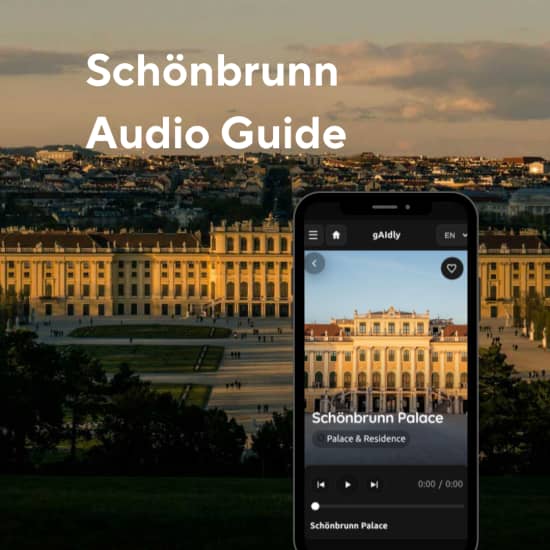
- Schönbrunn Palace — Hietzing; tour the Habsburg summer residence and its formal rooms (morning, ~2.5 hours).
- Schönbrunn Palace Gardens — Hietzing; walk uphill to the Gloriette for expansive city views (late morning, ~1.5 hours).
- Vienna Technical Museum — Penzing; explore hands-on exhibits on transport, industry, and technology (afternoon, ~2 hours).
- Prater — Leopoldstadt; ride or stroll through Vienna’s historic amusement park and green avenues (late afternoon, ~2 hours).
- Gasthaus Wild — Leopoldstadt; eat Austrian comfort food near Prater, approximately €25–45 per person (evening, ~1.5 hours).
Morning
Start with Schönbrunn Palace, reached from central Vienna by U4 to Schönbrunn—allow roughly 25–30 minutes from the Innere Stadt, then another 5 minutes on foot. Arrive close to opening, usually around 8:30–9:00 AM, and book a timed palace admission in advance; the main state-room visit generally takes about 2.5 hours, with tickets commonly around €22–28 depending on the tour. The palace is busiest from late morning onward, so go straight inside before wandering the grounds. Audio guides are worthwhile here, especially for the imperial apartments and the stories of Maria Theresa and Franz Joseph.
Late Morning
After the interiors, move into the Schönbrunn Palace Gardens and follow the central axis uphill toward the Gloriette. It is a gentle but steady walk of about 25–30 minutes each way; comfortable shoes matter, and the view opens dramatically as you climb. Set aside around 1.5 hours for the gardens, including time beside the fountains and shaded paths. The Gloriette terrace may have a small admission charge, while the gardens themselves are generally free; bring water, as the upper section has fewer places to stop. From Schönbrunn, take U4 one stop to Meidling Hauptstraße, then connect by tram or bus toward the Vienna Technical Museum—allow about 20 minutes door to door.
Afternoon and Evening
Spend roughly two hours at the Vienna Technical Museum, where the transport halls and interactive exhibits are particularly good if you enjoy trains, machinery, aircraft, or the practical side of Austrian industry. It is usually open from 9:00 AM to 6:00 PM, with adult admission around €18, so aim to arrive by 2:00 PM rather than leaving it too late. From there, take U4 east and change toward Praterstern, then walk into Prater for a relaxed late afternoon among the historic amusement rides and tree-lined avenues. You do not need a general park ticket: rides are paid individually, often around €5–15. Finish at Gasthaus Wild, a short walk from the Prater area, for schnitzel, goulash, dumplings, or another hearty Austrian plate; reserve if possible, and expect about €25–45 per person.
Vienna to Prague transition
- Rail journey Vienna–Prague — Wien Hauptbahnhof to Praha hlavní nádraží; take a direct train, ideally departing in the morning, and allow roughly 4 hours 15 minutes (morning to early afternoon, ~4.25 hours).
- Wenceslas Square — New Town, Prague; orient yourself along Prague’s principal modern boulevard (afternoon, ~45 minutes).
- National Museum — New Town; visit the monumental museum overlooking the square (afternoon, ~1.5 hours).
- Dancing House — Nové Město; see Prague’s distinctive modern architectural landmark along the Vltava (late afternoon, ~45 minutes).
- Lokál Dlouhááá — Old Town edge; eat fresh Czech pub food and beer, approximately CZK 450–750 per person (evening, ~1.5 hours).
Morning to Early Afternoon: Vienna–Prague by Rail
Take a direct Railjet or RegioJet from Wien Hauptbahnhof around 7:00–8:00 AM; the trip to Praha hlavní nádraží takes roughly four hours to four hours fifteen minutes. Arrive at the station 15–20 minutes early, especially if you need to find the correct platform or collect a reserved seat. Keep some Czech koruna or a card handy for a snack on board, and remember that Prague is one hour behind neither Vienna—both cities use Central European Summer Time—so there is no time change. After arriving, leave your bags at your hotel or use the station lockers, then take a short walk or tram toward Wenceslas Square.
Afternoon: New Town and the Vltava
Spend about 45 minutes walking the length of Wenceslas Square, starting near the National Museum and heading downhill toward Na Můstku. This broad boulevard is more urban and commercial than Prague’s medieval center, but it is excellent for getting your bearings and seeing the city’s 20th-century history. Then return to the upper end for the National Museum, open generally from 10:00 AM to 6:00 PM; allow 1–1½ hours for the historic building, grand interior, and exhibitions. Standard admission is usually around CZK roughly 300, with discounts for younger visitors. From there, take tram 14 or 18, or walk about 25 minutes south along Ječná and across the river to the Dancing House. Allow 45 minutes to admire the building from the riverside and Rašínovo nábřeží; the rooftop gallery and viewpoint may require a separate ticket, commonly around CZK 200–300, and are worth considering if the weather is clear.
Evening: Czech Pub Dinner
Continue north along the river or take tram 17 toward Národní třída, then walk through Old Town to Lokál Dlouhááá on Dlouhá. Aim for an early dinner around 5:30–6:00 PM, since this popular Czech beer hall often fills quickly and reservations are sensible. Order a tank Pilsner Urquell with traditional dishes such as svíčková, schnitzel, or fried cheese; expect approximately CZK 450–750 per person. It is a good first-night introduction to Prague’s lively pub culture without committing to a late evening after the long train ride.
Old Town Prague
- Powder Tower — Old Town; begin at the historic gateway into Prague’s medieval center (morning, ~45 minutes).
- Municipal House — Old Town; tour or admire Prague’s celebrated Art Nouveau concert hall (morning, ~1 hour).
- Old Town Square — Staré Město; see the Astronomical Clock, Týn Church, and historic façades (late morning, ~1 hour).
- Clementinum — Old Town; tour the Baroque library halls and astronomical tower (early afternoon, ~1.5 hours).
- Charles Bridge — Old Town to Malá Strana; cross Prague’s iconic statue-lined bridge in the afternoon light (afternoon, ~45 minutes).
- Mlejnice — Old Town; enjoy traditional Czech dishes in a cozy restaurant, approximately CZK 500–800 per person (evening, ~1.5 hours).
Morning
Start at Powder Tower, one of the most atmospheric entrances into Prague’s medieval center. Arrive around 9:00 AM, before the Old Town day-trippers gather; allow 30–45 minutes to admire the Gothic exterior and, if open, climb for views over the rooftops. Admission is usually around CZK 190, though tower hours can vary seasonally. From here, walk a few minutes along Celetná to Municipal House, Prague’s Art Nouveau showpiece. Its café and ornate interiors are worth seeing even if you do not take the approximately hour-long guided tour; tours generally cost around CZK 300–400 and run at set times, so check the schedule ahead.
Continue west through Celetná to Old Town Square, allowing roughly an hour to take in the Astronomical Clock, Týn Church, and the surrounding historic façades. The square is busiest around the clock’s hourly show, so it is often better to watch once, then step onto a quieter side street for photos. For lunch, avoid the most prominent square-front terraces and try Lokál Dlouhá on Dlouhá for crisp schnitzel, roast meats, and excellent tank beer; expect about CZK 350–600 per person, and arrive before noon or reserve.
Afternoon and Evening
After lunch, make your timed visit to Clementinum, a short walk south through the Old Town. The guided tour takes about 1½ hours and includes the Baroque library halls and astronomical tower; advance booking is wise, as entry is by timed slot and the tower involves stairs. Tickets are generally around CZK 300–400. Then stroll toward Charles Bridge, ideally crossing from the Old Town side in the softer afternoon light. Walk slowly, pause by the statues, and look back toward the Old Town towers; the bridge is crowded, but the center of the span is still magical if you take your time.
Finish with dinner at Mlejnice, a cozy Old Town restaurant known for hearty Czech plates such as goulash, roast pork, and dumplings. Budget approximately CZK 500–800 per person, excluding extensive drinks, and reserve if possible—the dining rooms are compact. Afterward, take a gentle walk through the quieter lanes around Týnská and Ungelt rather than lingering in the busiest part of the square; Prague’s historic center is especially atmospheric once the larger tour groups have gone.
Prague Castle and Malá Strana
- Prague Castle — Hradčany; spend the morning touring the castle complex and ceremonial courtyards (morning, ~3 hours).
- St. Vitus Cathedral — Prague Castle; admire the country’s most important Gothic cathedral (late morning, ~1 hour).
- Golden Lane — Prague Castle; walk the preserved colorful craftsmen’s cottages within the castle complex (midday, ~45 minutes).
- Lobkowicz Palace — Prague Castle; view aristocratic art, musical instruments, and city panoramas (early afternoon, ~1.5 hours).
- Wallenstein Garden — Malá Strana; stroll the Senate’s formal garden with sculptures and peacocks (afternoon, ~1 hour).
- Café Savoy — Malá Strana; dine beneath an ornate historic ceiling, approximately CZK 700–1,200 per person (evening, ~1.5 hours).
Morning
Begin at Prague Castle around 8:30–9:00 AM, entering from Pohořelec and walking downhill through Hradčany toward the castle gates; this approach is quieter and more atmospheric than arriving directly by tram. Allow about three hours for the courtyards and main complex, including security screening. The basic castle circuit is generally around CZK 450, with reduced tickets available, and opening hours are usually from 6:00 AM for the grounds, while the historic interiors open later—check the official schedule before setting out, especially for September closures or ceremonies. Keep your bag compact, as security lines can be slow.
Continue with St. Vitus Cathedral, the castle’s essential stop, allowing about an hour for the stained glass, royal tombs, and St. Wenceslas Chapel. Then walk through Golden Lane, where the tiny painted cottages and former workshops make a pleasant 45-minute pause; it can become crowded, so move through the lane first and return to any cottage that interests you. Afterward, make your way to Lobkowicz Palace, still within the castle complex. Its audio guide is unusually worthwhile, weaving together the family’s art collection, musical manuscripts, and views across Prague; allow 90 minutes and expect admission to be roughly CZK 400–500. The palace café or terrace is convenient for a light break, though prices are higher than elsewhere in the neighborhood.
Afternoon and Evening
Walk downhill from Lobkowicz Palace through Malá Strana, taking the scenic route via Thunovská and Nerudova rather than rushing to the tram. Spend about an hour in Wallenstein Garden, entered from Letenská; the formal paths, grotto wall, sculptures, and resident peacocks make it one of the city’s best calm breaks. It is usually open during the warmer months on weekdays and free to enter, but hours can change with Senate business, so treat it as a flexible stop. For dinner, reserve at Café Savoy on Vítězná and arrive around 6:30–7:00 PM; the ornate Neo-Renaissance ceiling is best appreciated before the room gets loud. Budget approximately CZK 700–1,200 per person, and book ahead for dinner or weekend-like demand. From there, Újezd tram stop or Anděl metro station provides easy onward connections; otherwise, a slow evening walk along the Vltava makes a pleasant finish.
Final Prague neighborhoods
- Vyšehrad — Vyšehrad; explore the hilltop fortress, cemetery, and river views at a quieter pace (morning, ~2 hours).
- Náplavka Farmers’ Market — Rašínovo Embankment; browse riverside food stalls and local products if operating that day (late morning, ~1.5 hours).
- Kampa Park — Malá Strana; take a relaxed Vltava-side walk among sculptures and leafy paths (afternoon, ~1 hour).
- Franz Kafka Museum — Malá Strana; explore exhibits on Prague’s most famous writer (afternoon, ~1.5 hours).
- Letná Park — Holešovice; finish with broad sunset views over Prague’s bridges and Old Town (early evening, ~1.5 hours).
- Kuchyň — Hradčany; enjoy Czech dishes and panoramic city views for approximately CZK 600–1,000 per person (evening, ~1.5 hours).
Morning
Begin at Vyšehrad, reaching the fortress by tram or metro to Vyšehrad station and allowing about 10 minutes on foot from there. Give yourself roughly two hours to wander the ramparts, quiet lanes, and Vyšehrad Cemetery; the views toward the Vltava are especially good from the eastern walls. The grounds are free, while the individual historic churches and exhibitions generally charge around CZK 50–100. This is one of Prague’s best places for a slower final morning, well away from the crowds around the center.
Walk or take tram 7/14 toward Rašínovo Embankment for Náplavka Farmers’ Market, usually held on Saturday mornings, commonly from around 8:00 AM to 2:00 PM. Browse the stalls for pastries, cheeses, preserves, coffee, and hot food, allowing about 1½ hours for a relaxed riverside lunch. Because market schedules can change, check the official Náplavka listing close to the date; if no market is operating, the embankment still makes an enjoyable walk, but choose a nearby café rather than expecting every stall to be open.
Afternoon
From Náplavka, cross toward Kampa Park by tram or on foot via Most Legií; allow 20–30 minutes depending on the route. Spend about an hour among the leafy paths, riverside views, and contemporary sculptures, particularly around the quieter southern end of the island. Then continue to the nearby Franz Kafka Museum, an easy walk across Na Kampě. Plan around 1½ hours inside; it is typically open daily from about 10:00 AM to 6:00 PM, with admission usually around CZK 300. The dark, atmospheric presentation suits Kafka, though it is more immersive than a conventional biographical museum.
Evening
Take tram 12, 20, or 26 toward Letná Park, allowing roughly 25–35 minutes with a transfer depending on where you leave Malá Strana. Walk up through the park for broad sunset views over Prague’s bridges and Old Town; the area around the former metronome is the best vantage point, and there is plenty of room to linger. Finish at Kuchyň near Hradčany, arriving for an early dinner or reserving ahead, especially for a terrace table. Expect Czech dishes and drinks to cost about CZK 600–1,000 per person. It is a fitting final meal: come hungry, order several traditional plates to share, and enjoy the city lights rather than trying to add another sight afterward.