Valencia Region Travel Itinerary
Arrival in Valencia
- Mercado Central de València — Ciutat Vella; explore the landmark food market and grab a light snack, late afternoon, ~45 minutes.
- La Lonja de la Seda — Ciutat Vella; tour Valencia’s magnificent Gothic silk exchange, late afternoon, ~45 minutes.
- Valencia Cathedral — Plaça de la Reina; see the historic cathedral and its varied architectural styles, early evening, ~1 hour.
- Horchatería Santa Catalina — Ciutat Vella; try horchata with fartons in a classic tiled café, evening, ~45 minutes, approximately €5–10 per person.
- Casa Montaña — El Cabanyal; enjoy a traditional tapas dinner in one of the city’s oldest bodegas, evening, ~1.5 hours, approximately €25–40 per person.
Late Afternoon: Mercado Central de València and La Lonja de la Seda
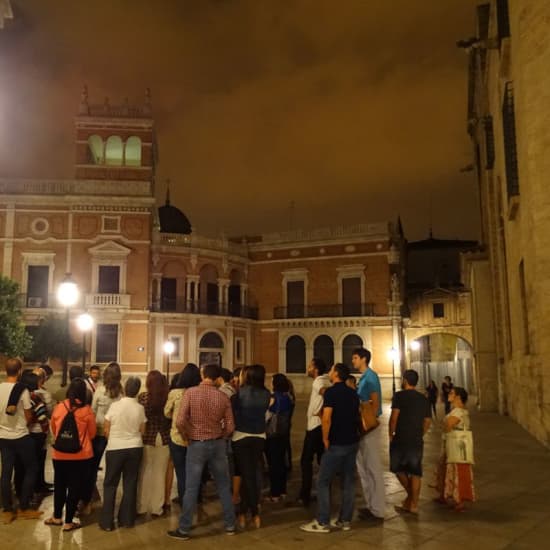
After checking in, head into Ciutat Vella for an easy first taste of Valencia. Start at Mercado Central de València, where the tiled Modernista building is as enjoyable as the produce stalls inside. It usually closes around 3:00 p.m., so given today’s arrival time, treat it as a quick exterior stop unless you can reach it before closing; nearby, the market area still has plenty of cafés and small bars for a snack. Then walk across to La Lonja de la Seda, open on Sundays until roughly 2:00 p.m. in September, so it may also be closed by the time you arrive. Even from outside, take a few minutes to admire its extraordinary Gothic façade and the twisting gargoyles before continuing through the old lanes. Both are within a few minutes’ walk of each other, and the area is easiest on foot; expect about €2–3 for a snack or drink.
Early Evening: Valencia Cathedral
Continue toward Plaça de la Reina and visit Valencia Cathedral, whose interior brings together Romanesque, Gothic, Renaissance, and Baroque details. September opening hours can vary around services, so check the official schedule before setting out; allow about an hour and dress respectfully, particularly if Mass is taking place. The cathedral is a short walk from the market quarter, though the surrounding square is busy and partly pedestrianised. If you still have energy, wander along Carrer dels Cavallers or the quieter lanes around Plaça de la Verge before your evening stop.
Evening: Horchatería Santa Catalina and Dinner in El Cabanyal
Finish the old-town portion at Horchatería Santa Catalina, the classic tiled café on Plaça de Santa Caterina. Order a chilled horchata with fartons—about €5–10 per person—and take your time; it is a gentle, very Valencian introduction to the evening. For dinner, take Metro lines 4, 5, or 7 toward El Cabanyal—roughly 20–25 minutes depending on the station—or use a taxi for around €8–12. Reserve ahead at Casa Montaña, one of the neighbourhood’s long-established bodegas, and share several tapas with a glass of local wine: conservatively budget €25–40 per person. It is generally open for dinner from around 8:00 p.m.; arrive close to opening or keep the reservation, as the intimate dining room fills quickly.
Coastal Valencia
- Jardí del Túria — Turia Gardens; walk or cycle through the former riverbed toward the coast, morning, ~1.5 hours.
- City of Arts and Sciences — Camins al Grau; admire Valencia’s signature futuristic complex, late morning, ~1 hour.
- L’Oceanogràfic — City of Arts and Sciences; visit Europe’s largest aquarium, midday, ~2.5 hours.
- Platja de la Malva-rosa — Poblats Marítims; relax on Valencia’s broad urban beach, late afternoon, ~1.5 hours.
- La Pepica — Malvarrosa beachfront; dine on classic Valencian rice beside the sea, evening, ~1.5 hours, approximately €35–50 per person.
Morning
Start in the western end of Jardí del Túria, near Pont de Sant Josep, and walk or rent a Valenbisi bicycle east through the former riverbed. The shaded paths, orange trees, sports grounds, and bridges make this one of Valencia’s best morning routes; allow about 1½ hours, finishing near Pont de l’Assut de l’Or. From there, it is a pleasant 10–15-minute walk to the City of Arts and Sciences. You do not need a ticket to admire the exterior—come for the white curves, reflecting pools, and excellent photo angles around the Umbracle. If you prefer not to walk, EMT buses 35 and 95 connect the gardens with the complex.
Midday
Continue to L’Oceanogràfic, where a timed-entry visit typically takes 2½ hours. Allow roughly €35–40 for an adult ticket, with prices varying by date and combination ticket; booking online is sensible for September weekends. The beluga, jellyfish, and Mediterranean habitats are especially good, and the underwater tunnel is worth taking slowly. There are cafés on site, but for a better-value break, pick up a light lunch from the nearby Mercado de Russafa before the day, or use one of the aquarium cafés if you want to keep the schedule relaxed.
Afternoon and Evening
From L’Oceanogràfic, take EMT bus 95 toward Poblats Marítims—about 20–25 minutes—or walk the 30 minutes along Avinguda de França and through Cabanyal. Spend the late afternoon at Platja de la Malva-rosa, where the wide sand gives you plenty of room even on a busy day; September is usually ideal for a swim, but bring shade and water because the beachfront has limited natural shelter. Walk the promenade south toward La Pepica for dinner, reserving ahead if possible. This historic beachfront restaurant is a classic place for Valencian rice—expect approximately €35–50 per person, and order paella or another rice dish for the whole table rather than as an individual portion. Allow at least 30 minutes for the kitchen, and check the bill for drinks and starters; afterward, return toward the centre by EMT bus 32 or taxi.
Historic Sagunto
- Sagunto Castle — Upper Sagunto; explore the extensive Roman and medieval fortress with wide views, morning, ~2 hours.
- Roman Theatre of Sagunto — Upper Sagunto; see the restored Roman performance venue below the castle, late morning, ~45 minutes.
- Sagunto Historical Museum — Ciutat Vella; view Roman artifacts from the ancient city, midday, ~1 hour.
- Jewish Quarter of Sagunto — Historic center; wander the atmospheric medieval lanes and old gateway, afternoon, ~45 minutes.
- El Mirador de Sagunto — Historic center; stop for a relaxed meal overlooking the old town, evening, ~1.5 hours, approximately €20–35 per person.
Morning
From Sagunt railway station, take a taxi or local bus up toward the old town—walking uphill from the station is possible but steep and takes roughly 25–30 minutes. Begin at Sagunto Castle, allowing about two hours for the vast Roman and medieval fortress. Its walls stretch along the ridge, so wear sturdy shoes and bring water; the views across the Camp de Morvedre and toward the Mediterranean are especially clear in the morning. Check the official opening time before setting out, as access can vary seasonally; admission is generally free or low-cost.
Walk downhill afterward to the Roman Theatre of Sagunto, immediately below the castle. The restored venue takes around 45 minutes, and the stone seating and hillside setting make it easy to imagine the scale of Roman Saguntum. Continue into Ciutat Vella for the Sagunto Historical Museum, where Roman inscriptions, mosaics, and archaeological finds give useful context to what you have just seen. Allow about an hour and confirm the midday opening schedule—small museums in Sagunto may close for a lunch break.
Afternoon and Evening
After the museum, slow the pace in the Jewish Quarter of Sagunto, one of the most atmospheric parts of the old town. Wander the narrow lanes around the old gateway and look for the surviving medieval street pattern rather than following a fixed route; this is a good place for a quiet coffee or a light snack. Finish at El Mirador de Sagunto for a relaxed meal overlooking the historic center. Expect roughly €20–35 per person, and reserve if visiting on a Friday or Saturday; the restaurant’s terrace is best enjoyed before sunset. From here, return downhill to the station by taxi or bus—allow around 15–20 minutes, plus waiting time—rather than tackling the full walk after a day on the castle ridge.
Rice country in Albufera
- Albufera Natural Park boat ride — El Palmar lagoon; take a traditional boat across the wetlands and rice fields, morning, ~1 hour.
- El Palmar village walk — El Palmar; see the village’s barracas and working rice-country landscape, late morning, ~1 hour.
- Casa de la Demanà — El Palmar; enjoy an authentic local paella lunch in the heart of paella country, midday, ~1.5 hours, approximately €30–45 per person.
- Rice-field cycling route — El Palmar surroundings; cycle quiet paths through the lagoon’s agricultural landscape, afternoon, ~2 hours.
- Gola de Pujol viewpoint — Albufera lakeshore; watch sunset over the lagoon, evening, ~1 hour.
Morning
Meet your boatman at the Albufera Natural Park landing in El Palmar for a traditional one-hour ride across the lagoon. The morning is the right time to go: the water is usually calmer, the light is softer, and you’ll see the rice fields and reed beds before the heat builds. Boats generally run from around 10:00, but schedules vary by season, so reserve ahead—expect roughly €5–10 per person. Afterward, spend an hour wandering El Palmar, following the quiet village lanes past old barracas and irrigation channels; this is still a working rice-growing community rather than a polished resort.
Lunch
Have lunch at Casa de la Demanà, one of the village’s dependable places for traditional Valencian cooking. Order the house paella in advance when booking, since a proper wood-fired or slowly prepared paella is not an improvised quick meal. Allow about 1½ hours and budget €30–45 per person with drinks. September is still warm, so request a shaded table and avoid filling up too much if you plan to cycle afterward.
Afternoon and Evening
Rent bicycles in El Palmar and follow the quiet rice-field paths around the lagoon for roughly two hours. Keep to marked or well-used tracks, and expect very little shade; bring water, sunscreen, and a hat. The landscape changes noticeably through the day, with narrow canals, flat paddies, and distant views of the wetlands. Return the bikes before heading to Gola de Pujol, a short drive or taxi ride away, for sunset. Arrive 30–45 minutes early to find a good spot along the lakeshore; the viewpoint is especially atmospheric as the sun drops behind the lagoon. Bring a taxi number or arrange your return in advance, as rides are less readily available here after dark.
Old town of Xàtiva
- Xàtiva Castle — Castle hill; tour the dramatic twin-fortress complex and its panoramic views, morning, ~2.5 hours.
- Col·legiata Basílica de Santa Maria — Xàtiva old town; visit the town’s imposing collegiate basilica, early afternoon, ~45 minutes.
- Museu de l’Almodí — Historic center; see local archaeology and the famous Xàtiva papal portraits, afternoon, ~1 hour.
- Plaça del Mercat — Old town; pause among historic façades and cafés, late afternoon, ~45 minutes.
- El Túnel Tapas Restaurante — Near the old town; enjoy a relaxed dinner of Valencian tapas, evening, ~1.5 hours, approximately €20–35 per person.
Morning
After arriving in Xàtiva, take a taxi from the station up to Xàtiva Castle rather than using your energy on the steep climb; ask to be dropped near the main entrance, where the road is narrow and parking is limited. Allow about 2½ hours for the twin fortress, moving between the older Iberian-Roman side and the later medieval section. The views over the La Costera plain are the real reward, especially before the midday heat. Check the exact September opening time and entry fee—typically around €6–8—before setting out, as castle hours can vary seasonally. Wear proper shoes: the walls are uneven, exposed, and have little shade.
Return by taxi or walk downhill into the old town, allowing roughly 25–30 minutes on foot. Have lunch at one of the small restaurants around Carrer Montcada, then visit Col·legiata Basílica de Santa Maria in the early afternoon. Its grand interior and cool stone make it a welcome pause after the castle; allow 45 minutes, and check Mass times before entering, as sightseeing may pause during services. Admission is generally free or by modest donation, but shoulders should be covered.
Afternoon and Evening
Continue a short walk through the historic center to Museu de l’Almodí, housed in a handsome former grain exchange. Spend about an hour with its archaeological collection and the celebrated Xàtiva papal portraits, an unusual local connection to the Borgia family. Museums in Spain often close for a midday break or have reduced hours on certain weekdays, so verify the September schedule; budget roughly €2–3 for admission. Afterwards, slow the pace at Plaça del Mercat, where the surrounding façades and café terraces are ideal for a horchata, coffee, or a cold drink. It is a pleasant place to watch local life rather than another sight to tick off. For dinner, walk to El Túnel Tapas Restaurante near the old town and order several dishes to share—look for seasonal vegetables, local rice preparations, cured meats, and Valencian-style seafood. Expect about €20–35 per person with drinks; reserve if visiting on a Thursday or Friday, and confirm the restaurant’s current opening hours before relying on it.
Mountain town of Bocairent
- Covetes dels Moros — Bocairent; climb through the unusual medieval cave windows carved into the cliff, morning, ~1 hour.
- Historic quarter of Bocairent — Old town; wander steep lanes, stone houses, and small squares, late morning, ~1.5 hours.
- Museu Arqueològic Municipal Vicent Casanova — Old town; learn about Bocairent’s long history and cave dwellings, midday, ~45 minutes.
- Parc de la Serra de Mariola — Bocairent outskirts; take an easy scenic walk through the mountain landscape, afternoon, ~2 hours.
- Mesón Gandía — Bocairent; have a hearty interior-Valencian dinner, evening, ~1.5 hours, approximately €25–40 per person.
Morning
Begin at Covetes dels Moros, just outside Bocairent, ideally around 9:00am. The small medieval chambers are cut directly into the cliff face and reached through a sequence of narrow openings, ladders, and passageways; wear proper shoes and avoid bringing a large backpack. Visits are guided or time-slotted, and opening times can change seasonally, so reserve ahead through the official tourism office. Allow about an hour, then drive or walk into the old town—parking is easier on the outskirts than in the historic lanes.
Spend the late morning wandering Bocairent’s historic quarter, following the steep Carrer de la Mossén Hilari and the lanes around Plaça de l’Ajuntament. This is a place to take slowly: look for old stone doorways, ceramic plaques, and viewpoints over the ravine rather than trying to cover every street. Around midday, visit the Museu Arqueològic Municipal Vicent Casanova, a compact museum in the old town with prehistoric finds and local material relating to the surrounding caves; allow 45 minutes, and check the door hours before setting out, as small-town museums often close for part of the afternoon. For a light pause, have a coffee or a local pastry at a café around the main square.
Afternoon and Evening
After lunch, head toward Parc de la Serra de Mariola for an easy two-hour walk through the dry mountain landscape. Choose a short marked path near Bocairent rather than committing to a summit route: September can still be hot, and shade is limited. Carry water, use sun protection, and keep an eye on the weather, since mountain conditions can shift quickly. Return to town with enough time to freshen up before dinner at Mesón Gandía, a dependable choice for hearty interior-Valencian cooking; expect roughly €25–40 per person for a full meal, and reserve if visiting on a Friday. Try local dishes such as gazpacho de Mariola or other seasonal mountain fare, and leave the car parked while exploring the center—the historic streets are tight and largely best enjoyed on foot.
Alicante waterfront
- Mercado Central de Alicante — Central Alicante; browse produce, seafood, and local pastries in the city’s principal market, morning, ~1 hour.
- Castillo de Santa Bárbara — Mount Benacantil; explore Alicante’s hilltop fortress and enjoy the harbor panorama, late morning, ~2 hours.
- Museo Arqueológico de Alicante (MARQ) — Near the castle; see excellent exhibits on Alicante’s archaeological heritage, early afternoon, ~1.5 hours.
- Explanada de España — Waterfront; stroll beneath palms along Alicante’s distinctive marble mosaic promenade, late afternoon, ~45 minutes.
- El Portal Taberna & Wines — City center; finish with creative tapas and regional wines, evening, ~1.5 hours, approximately €35–50 per person.
Morning
Start at Mercado Central de Alicante, arriving around 9:00am while the stalls are lively but before the midday rush. Wander through the fish hall and produce aisles, looking for local pastries, cured meats, and seasonal fruit; allow about an hour. The market generally operates Monday through Saturday in the morning, though individual stalls vary, and it is closed on Sundays—if your date falls on a Sunday, replace the market visit with a coffee and pastry around nearby Calle Castaños, then begin the castle visit earlier. From the market, walk roughly 15 minutes through Santa Cruz toward the lower station for the Castillo de Santa Bárbara lift, or use a taxi if you prefer to save your legs for the fortress. The lift entrance is by Playa del Postiguet; admission is usually free, while the lift charges a small fee of around €2–3 each way.
Late Morning and Early Afternoon
Spend about two hours exploring Castillo de Santa Bárbara, starting at the highest level for the best views over the harbor, Playa del Postiguet, and the dry hills inland. The fortress is exposed, so bring water and a hat; morning is noticeably more comfortable than mid-afternoon. From the castle, take a taxi or walk downhill for around 20 minutes to Museo Arqueológico de Alicante (MARQ), allowing 1½ hours for its well-presented archaeological collections, including Iberian, Roman, and medieval finds. Check the museum’s current hours before setting out—opening days and afternoon schedules can vary—and expect entry to cost roughly €3–5. For lunch, pause near Plaza del Puente or Calle Labradores rather than eating directly beside the waterfront, where prices are generally higher.
Late Afternoon and Evening
Make your way back toward the center and stroll along Explanada de España, whose red, cream, and black marble wave pattern is especially pleasant in the late-day light. Continue at an unhurried pace beneath the palms for about 45 minutes, perhaps stopping for a drink near Paseo de la Explanada before dinner. Finish at El Portal Taberna & Wines, a polished but relaxed spot in the center known for creative tapas and a strong regional wine list; reserve ahead for dinner, particularly on a Saturday, and budget approximately €35–50 per person. Order several small plates to share rather than committing to a full meal—the evening is best kept flexible after a long day on the hill.
No packing list attached yet.