Freiburg to Paris, Switzerland, and Italy Itinerary
Arrival and exploration in Paris
- Train from Freiburg im Breisgau to Paris Gare de Lyon — Freiburg–Paris route; morning departure, ~3½–4½ hours. Reserve seats and arrive at Gare de Lyon with luggage before beginning sightseeing.
- Place des Vosges — Le Marais; late afternoon, ~45 minutes. Elegant 17th-century square ideal for a gentle first walk.
- Musée Picasso Paris — Le Marais; late afternoon, ~1½ hours. A strong introduction to Picasso’s work in a beautiful historic mansion.
- Marché des Enfants Rouges — Le Marais; early evening, ~1 hour. Browse Paris’s oldest covered market and choose from casual international food stalls.
- Café de Flore — Saint-Germain-des-Prés; evening, ~1 hour. Have a classic Paris café experience, with roughly €15–30 per person for a light meal and drinks.
Morning — Freiburg to Paris
Take a reserved morning train from Freiburg (Breisgau) Hauptbahnhof to Paris Gare de Lyon, allowing roughly 3½–4½ hours depending on the connection. Arrive at the station 15–20 minutes early, especially with luggage; the usual routing is via Strasbourg or Karlsruhe, and seat reservations are worthwhile. At Gare de Lyon, use Line 1 toward La Défense or Line 14 toward Saint-Denis Pleyel to reach central Paris, or leave bags at your hotel before heading into Le Marais. Keep the afternoon deliberately light after the journey.
Late Afternoon — Place des Vosges and the Picasso Museum
Begin at Place des Vosges, one of the city’s most graceful squares, where covered arcades surround clipped lawns and warm-red brick façades. Spend about 45 minutes wandering beneath the arcades and along the nearby Rue des Francs-Bourgeois; cafés and small shops make this an easy first taste of Paris. Continue on foot to Musée Picasso Paris in the Hôtel Salé, roughly 8–10 minutes away. Allow 1½ hours for Picasso’s paintings, drawings, and sculptures, as well as the mansion itself. It is generally open Tuesday–Sunday, with hours commonly extending into the early evening; check the museum’s official schedule and reserve a timed ticket, usually around €16–€18.
Early Evening — Market Dinner
Walk about 10 minutes to Marché des Enfants Rouges, Paris’s oldest covered market, for an unfussy dinner among locals and visitors. Stalls serve Moroccan, Japanese, Lebanese, French, and other casual dishes, so it is ideal when everyone wants something different. Allow an hour, but note that individual vendors keep their own schedules and some close earlier than the market; arriving around 18:00–18:30 gives you the best choice. From Le Marais, take Métro Line 8 from Filles du Calvaire or walk approximately 25 minutes to Saint-Germain-des-Prés.
Evening — Saint-Germain-des-Prés
Finish at Café de Flore, where the atmosphere is more memorable than the menu: polished servers, old-school red seating, and a terrace made for watching Boulevard Saint-Germain go by. Expect roughly €15–30 per person for a light meal and drinks, with higher prices for a full dinner. This is best treated as a classic café stop rather than a gourmet meal; if you want a table indoors, go before the late-evening rush. Afterward, return by Métro Line 4 from Saint-Germain-des-Prés or walk along the illuminated streets toward your hotel, keeping the evening relaxed after the train journey.
Paris city highlights
- Eiffel Tower — Champ de Mars; morning, ~2 hours. Book a timed summit or second-floor visit for Paris’s essential panorama.
- Musée du Quai Branly – Jacques Chirac — 7th arrondissement; late morning, ~1½ hours. Explore outstanding Indigenous arts collections beside the tower.
- Rue Cler — 7th arrondissement; lunch, ~1 hour. Shop among bakeries, cheese shops, and specialty food stores for a relaxed market-style meal.
- Musée de l’Orangerie — Tuileries; afternoon, ~1½ hours. See Monet’s monumental Water Lilies in their purpose-built oval rooms.
- Seine cruise from Port de la Conférence — near Pont de l’Alma; evening, ~1 hour. A scenic way to view illuminated monuments with minimal walking.
- Le Relais de l’Entrecôte — Saint-Germain-des-Prés; dinner, ~1½ hours. Enjoy the famous steak-and-fries set menu; budget approximately €35–50 per person.
Morning
Start at the Eiffel Tower around 9:00, before the Champ de Mars becomes busiest. A timed ticket is essential—choose the second floor for a good balance of views and price, or the summit if you want the full panorama; allow about two hours, with adult tickets commonly around €15–€35 depending on access. From the tower, walk roughly 10 minutes to the Musée du Quai Branly – Jacques Chirac, passing through the quieter garden entrance on Rue de l’Université. Spend about 90 minutes with the Indigenous arts collections; check the museum’s October opening hours when booking, as it is generally closed on Mondays rather than Sundays.
For lunch, continue on foot to Rue Cler, a pleasant 10-minute walk away. Pick up a prepared tartine, quiche, cheese, and fruit from the food shops, or sit at a café such as Café du Marché—expect around €15–€25 per person. It is a good place not to hurry: browse the specialist shops and side streets, but note that some independent stores close for part of Sunday or keep shorter hours.
Afternoon and Evening
Take Métro line 8 from École Militaire toward Concorde, then walk through the Tuileries Garden to the Musée de l’Orangerie; allow about 25–30 minutes door to door. Reserve an afternoon entry, ideally around 14:30, and give the museum 90 minutes for Monet’s Water Lilies and the smaller gallery rooms. Tickets are usually about €12, with combination tickets sometimes available; Sunday hours are commonly 9:00–18:00, with last admission roughly 45 minutes before closing. Afterwards, stroll toward Place de la Concorde and down to the Seine for your evening cruise from Port de la Conférence near Pont de l’Alma. Arrive 20–30 minutes early, since boarding times vary by operator; a one-hour sightseeing cruise generally costs €15–€25 and is especially atmospheric as the monuments begin to light up.
Finish in Saint-Germain-des-Prés at Le Relais de l’Entrecôte for its straightforward steak-frites menu, usually around €35–€50 per person. The restaurant is known for queues and does not typically take reservations, so arrive shortly before opening or expect a wait; the famous sauce and fries are served in two rounds, making the fixed menu more substantial than it first appears. From Pont de l’Alma, take Métro line 9 to Franklin D. Roosevelt, change to line 1 toward Château de Vincennes, and get off at Champs-Élysées–Clemenceau or continue via a short walk depending on the branch and restaurant location.
Paris neighborhoods and culture
- Sainte-Chapelle — Île de la Cité; morning, ~1 hour. Its luminous medieval stained glass is best seen early.
- Marché aux Fleurs Reine Elizabeth II — Île de la Cité; late morning, ~30 minutes. Browse the historic flower market opposite Notre-Dame.
- Musée Carnavalet – Histoire de Paris — Le Marais; midday, ~2 hours. Trace Parisian history through atmospheric former hôtels particuliers.
- Jardin des Plantes — Latin Quarter; afternoon, ~1½ hours. Walk through botanical gardens and landscaped paths away from the busiest sights.
- Grande Mosquée de Paris — Latin Quarter; late afternoon, ~45 minutes. Admire the courtyard, tilework, and peaceful tea room setting.
- Breizh Café — Latin Quarter; dinner, ~1 hour. Try refined Breton crêpes and cider; expect approximately €20–35 per person.
Morning
Begin at Sainte-Chapelle on Île de la Cité when it opens—typically around 9:00, though October hours and security arrangements can change. Reserve a timed ticket online, usually about €13, and allow an hour for the upper chapel’s extraordinary stained glass; morning light often brings out the richest colors. Security is airport-style, so avoid large bags. Afterwards, stroll straight to Marché aux Fleurs Reine Elizabeth II, just across the island. Spend about 30 minutes among the flower stalls and small plant shops, then cross toward Le Marais—roughly 15–20 minutes on foot, or take Metro line 1 from Châtelet to Saint-Paul if you want to save your legs.
Midday and Afternoon
Set aside around two hours for Musée Carnavalet – Histoire de Paris, a particularly good choice for today because its rooms feel more like elegant old homes than a conventional museum. It is generally open Tuesday–Sunday from about 10:00 to 18:00 and admission to the permanent collection is free, while special exhibitions may charge extra; reserve ahead if a temporary exhibition interests you. For lunch, pick up something simple around Rue des Rosiers or Marché des Enfants Rouges, then take Metro line 7 from Pont Marie toward Jussieu for Jardin des Plantes. Allow 90 minutes to wander the botanical beds and quieter paths; the garden itself is free, while the galleries and greenhouse collections require separate tickets. Continue on foot for about 10 minutes to the Grande Mosquée de Paris, whose courtyard and tiled details make a peaceful late-afternoon stop. Its café serves mint tea and North African pastries, but modest clothing is appreciated and access can occasionally be restricted during prayer times.
Evening
Finish with dinner at Breizh Café in the Latin Quarter, ideally reserving ahead because the small dining rooms fill quickly. Expect roughly €20–35 per person for savory crêpes, dessert, and cider. Try a buckwheat galette with a Breton cider, then order a sweet crêpe if you still have room. From the Grande Mosquée, it is an easy 10–15-minute walk; afterward, wander briefly along Rue Mouffetard or the Seine before heading back, rather than adding another major sight.
Arrival in Zurich
- Train from Paris Gare de Lyon to Zürich Hauptbahnhof — Paris–Zurich route; early morning departure, ~4¼ hours. Store luggage at the hotel or station lockers before exploring central Zurich.
- Bahnhofstrasse — Old Town/City; afternoon, ~45 minutes. Walk Zurich’s polished main boulevard from the station toward the lake.
- Fraumünster — Lindenhof; afternoon, ~45 minutes. See Marc Chagall’s celebrated stained-glass windows inside this historic church.
- Grossmünster — Niederdorf; late afternoon, ~1 hour. Climb the towers for a compact but excellent city and river view.
- Lindenhof — Lindenhof; early evening, ~30 minutes. Pause at the Roman-era hilltop overlook above the Limmat.
- Zeughauskeller — City; dinner, ~1½ hours. Eat traditional Swiss dishes in a historic armory; budget approximately CHF 30–50 per person.
Arrival and Afternoon
After arriving at Zürich Hauptbahnhof around midday, leave your bags at your hotel or use the station’s left-luggage facilities; lockers are located within the station and are useful if check-in is not yet available. Take a short break, then begin along Bahnhofstrasse, Zurich’s elegant shopping boulevard. Allow about 45 minutes to stroll from the station toward the lake, with a detour into Augustinergasse for its colorful historic façades. The walk is free, and the main stretch is pedestrian-friendly, though trams cross frequently—keep to the marked crossings.
Continue toward Fraumünster, a few minutes away beside the Limmat. The church is best known for its striking stained-glass windows by Marc Chagall; entry is generally around CHF 5, with opening hours commonly extending through the afternoon, although Sunday services and seasonal schedules can affect access. From here, cross the Münsterbrücke and wander through Niederdorf before reaching Grossmünster. Set aside about an hour, including the tower climb: the narrow stairs lead to a superb compact panorama over the old town, river, and lake. Admission to the towers is usually around CHF 5–7, and the final climb is not suitable for anyone uncomfortable with tight stairways.
Early Evening and Dinner
Finish the sightseeing loop at Lindenhof, a peaceful Roman-era hilltop above the Limmat. It is only a short walk from Grossmünster, but the cobbled lanes and small squares make the transition feel slower; pause on the terrace for views toward the university, riverfront, and Grossmünster. For dinner, walk back toward Zeughauskeller on Bahnhofstrasse, a historic former armory serving hearty Swiss food such as rösti, sausages, and veal dishes. Expect roughly CHF 30–50 per person before drinks; reservations are sensible for an evening visit, though early diners can sometimes find a table. After dinner, Paradeplatz and the riverfront are close enough for a gentle final stroll before returning to your hotel.
Central Switzerland
- Train from Zürich Hauptbahnhof to Lucerne — Zurich–Lucerne route; morning departure, ~50 minutes. Use Lucerne station lockers if needed and begin in the nearby old town.
- Chapel Bridge and Water Tower — Old Town; morning, ~45 minutes. Walk Lucerne’s iconic covered bridge and photograph its historic painted panels.
- Old Town and Weinmarkt — Old Town; late morning, ~1 hour. Explore colorful guild houses and compact medieval lanes.
- Lion Monument — Löwendenkmal; midday, ~30 minutes. See Lucerne’s moving carved tribute to the Swiss Guards.
- Lake Lucerne boat cruise to Weggis — Lucerne waterfront; afternoon, ~2½–3 hours round trip. Enjoy mountain-and-lake scenery without committing to a demanding hike.
- Wirtshaus Galliker — Old Town; dinner, ~1½ hours. Try hearty Swiss cuisine in a long-established local restaurant; budget approximately CHF 35–60 per person.
Morning
Take a direct SBB InterRegio from Zürich Hauptbahnhof to Luzern, ideally around 08:00–09:00; the ride takes about 50 minutes. At Lucerne station, use the lockers if your room is not ready, then walk five minutes toward the old town. Begin with Chapel Bridge and the Water Tower, arriving before the tour groups gather. Allow roughly 45 minutes to cross the bridge slowly and look at its painted seventeenth-century panels. From there, wander through the lanes toward Weinmarkt, where the colorful façades and small squares make for an easy, unhurried late morning. A coffee at Café de Ville on Rathausquai is a pleasant pause, with the riverfront just outside.
Midday and Afternoon
Continue north for about 12 minutes on foot to the Lion Monument, set in a quiet rock garden away from the busiest streets. The carved lion takes only half an hour to see, but it is worth lingering a little—the monument commemorates the Swiss Guards killed during the French Revolution. Return toward the waterfront and board a scheduled Lake Lucerne boat to Weggis, allowing 2½–3 hours for the round trip, including time ashore. Check the timetable at the pier before setting off, since October sailings are less frequent than in summer; a day ticket or suitable regional pass may cover the boat, while single fares vary by route. Weggis is ideal for a gentle lakeside stroll and mountain views without committing to a full hike. Bring a light jacket—the lake can feel cool even on a sunny afternoon.
Evening
After returning to Lucerne, walk back through the old town for dinner at Wirtshaus Galliker, a long-established, atmospheric restaurant known for hearty Swiss cooking. Plan on CHF 35–60 per person, and reserve ahead if possible, particularly for a Saturday-style evening even though this is a Wednesday. Try a traditional dish such as rösti, seasonal meat, or Älplermagronen, then keep the rest of the night relaxed: the illuminated riverfront and quieter lanes around Weinmarkt are especially enjoyable after the day-trippers have left.
Arrival in Milan
- Train from Lucerne to Milan Centrale — Lucerne–Milan route via Arth-Goldau; morning departure, ~4–5 hours. Reserve seats, keep passports accessible, and check in or leave luggage before sightseeing.
- Castello Sforzesco — Centro Storico; afternoon, ~1½ hours. Visit Milan’s major Renaissance fortress and its museum courtyards.
- Parco Sempione — beside Castello Sforzesco; late afternoon, ~45 minutes. Walk through Milan’s central park toward the monumental Arch of Peace.
- Arco della Pace — Sempione; early evening, ~30 minutes. See one of Milan’s grandest neoclassical landmarks and its surrounding aperitivo area.
- Ratanà — Isola/Porta Nuova; dinner, ~1½ hours. Sample modern Milanese cooking; budget approximately €45–70 per person.
Morning — Lucerne to Milan
Take your reserved morning EuroCity from Luzern to Milano Centrale, allowing roughly four to four and a half hours, including the scenic stretch around Arth-Goldau and across the Gotthard route. Keep passports and tickets handy for the Swiss–Italian border, and reserve seats on the side with a window if possible. After arriving, leave your bags at your hotel or use the luggage facilities at Milano Centrale; the metro and taxis make it easy to reach hotels around Brera, Centro Storico, or Porta Garibaldi. Have a quick lunch near the station or grab a panzerotto from Luini later in the center—this is a day for settling in rather than attempting Milan’s full list of sights.
Afternoon — Castello Sforzesco and Parco Sempione
Head by metro to Cairoli or Lanza, then walk into Castello Sforzesco. Spend about 90 minutes exploring the fortress courtyards and, if energy allows, one of its museums; the castle grounds are generally open from morning until early evening, while museum hours and admission—often around €5–€10—vary by collection and weekday. From the castle, continue straight through Parco Sempione, Milan’s relaxed central park. The walk takes around 15–20 minutes, with plenty of space to pause beneath the trees or at the park’s paths before reaching the monumental Arco della Pace.
Early Evening and Dinner
Allow about half an hour around Arco della Pace to admire its neoclassical details and watch the neighborhood shift into aperitivo mode. From here, take a taxi or walk roughly 25 minutes toward Isola and Porta Nuova; public transport is also straightforward via the M5 from Domodossola or Monumentale, depending on your exact starting point. Reserve dinner at Ratanà, a warm, contemporary restaurant known for polished versions of Milanese cooking, including seasonal risotto and regional meats; expect approximately €45–70 per person before drinks. It is popular with locals and visitors alike, so a reservation is especially wise for an October evening.
Milan city highlights
- Duomo di Milano — Piazza del Duomo; morning, ~2 hours. Reserve rooftop access to experience Milan’s most memorable architectural view.
- Galleria Vittorio Emanuele II — Piazza del Duomo; late morning, ~45 minutes. Walk beneath the historic glass arcade and its famous mosaic floor.
- Teatro alla Scala Museum — Brera; midday, ~1 hour. Discover Milan’s opera history and view the elegant theater interior when available.
- Pinacoteca di Brera — Brera; afternoon, ~2 hours. See masterpieces by Raphael, Caravaggio, and other Italian painters.
- Navigli canal district — Navigli; early evening, ~1½ hours. Stroll the canals and enjoy Milan’s classic aperitivo ritual.
- Osteria del Binari — Navigli; dinner, ~1½ hours. Eat traditional Lombard dishes in a garden-like setting; budget approximately €35–60 per person.
Morning
Start early at Duomo di Milano, arriving around 8:30–9:00 before the square fills with tour groups. Reserve a timed ticket in advance with rooftop access; the combined cathedral-and-rooftop visit usually takes about two hours and costs roughly €15–30 depending on stairs or lift access. The rooftop is best before midday, when the light is clearer and the marble spires are less crowded. Dress modestly for the cathedral—shoulders and knees covered—and allow extra time for security.
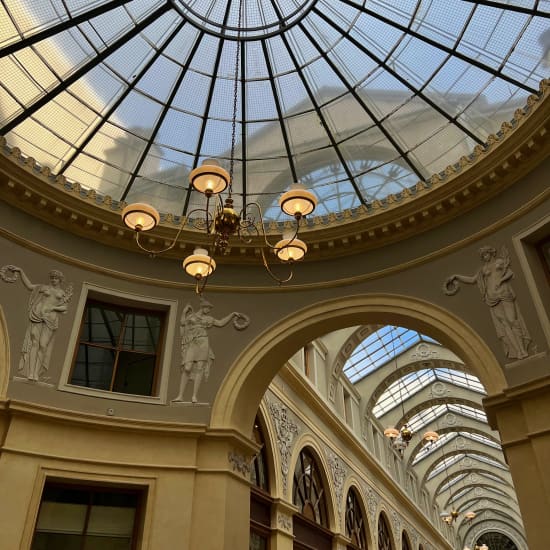
Walk directly into Galleria Vittorio Emanuele II beside the cathedral for about 45 minutes. Admire the glass-and-iron ceiling, browse the elegant shops, and pause on the central mosaic floor, where tradition says spinning on the bull’s mosaic brings good luck. For a quick coffee, use one of the historic cafés inside, though prices are high; for better value, step toward Via Torino for an espresso at the counter. Continue north into the Brera district—about 15 minutes on foot—for the Teatro alla Scala Museum, where an hour is enough to see the opera memorabilia and, when rehearsals permit, glimpse the ornate theater interior. Museum access and theater views can vary with performances, so check the official schedule before going.
Afternoon and Evening
Have lunch in Brera, then spend roughly two hours at the Pinacoteca di Brera. Reserve a timed entry if possible; the gallery generally opens from late morning until evening, with reduced or changing hours on some days, and admission is commonly around €15. Do not rush the rooms devoted to Raphael, Caravaggio, and Piero della Francesca. Afterward, take the M2 from Lanza or Moscova toward Porta Genova, or walk south for about 30 minutes, to reach the Navigli canal district. Arrive around 18:00 for a relaxed canal-side stroll and aperitivo—Milan’s pre-dinner drink usually costs about €10–18 and may include a small buffet or snacks. Finish at Osteria del Binari, a leafy, garden-like restaurant near the canals; reserve ahead for dinner and expect approximately €35–60 per person for Lombard dishes such as risotto, ossobuco, or seasonal pasta. Walk back toward Porta Genova afterward, where metro and tram connections make it easy to return to central Milan.
Florence historic center
- High-speed train from Milan Centrale to Firenze Santa Maria Novella — Milan–Florence route; early morning departure, ~2 hours. Use station luggage storage or hotel drop-off before visiting the historic center.
- Galleria dell’Accademia — San Marco; morning, ~1½ hours. See Michelangelo’s David and important Florentine sculpture.
- Mercato Centrale Firenze — San Lorenzo; lunch, ~1 hour. Choose from a broad range of Tuscan and Italian food vendors; budget approximately €15–30 per person.
- Duomo di Firenze and Brunelleschi’s Dome — Duomo quarter; afternoon, ~2 hours. Visit the cathedral complex and climb the dome only with a timed reservation.
- Piazza della Signoria and Palazzo Vecchio — central Florence; late afternoon, ~1½ hours. Combine a dramatic civic square with Renaissance halls and artworks.
- Ponte Vecchio — Arno; evening, ~30 minutes. Cross Florence’s famous historic bridge as the light softens.
Morning
Take an early Frecciarossa or Italo from Milano Centrale to Firenze Santa Maria Novella, ideally around 07:00–08:00, so you arrive with most of the day ahead. The journey takes about two hours. At Firenze Santa Maria Novella, either leave bags at your hotel or use the station’s luggage storage before walking north through the historic center toward San Marco. Begin at the Galleria dell’Accademia, preferably with a timed ticket for around 08:15–09:00; allow roughly 90 minutes for Michelangelo’s David and the sculpture galleries. Tickets commonly cost about €16–€20, and the museum is generally open Tuesday–Sunday, though October hours should be checked when booking.
Lunch
Walk around 10 minutes south through the San Lorenzo neighborhood to Mercato Centrale Firenze. Browse the ground-floor market for bread, cheese, cured meats, fresh pasta, and other Tuscan specialties, then head upstairs to the food hall for a relaxed lunch. Allow about an hour and budget €15–30 per person. It is lively rather than quiet, so go slightly before noon if you want an easier table; the market area is usually open daily, but individual vendors keep their own hours.
Afternoon Exploring
From San Lorenzo, walk roughly 10 minutes to Piazza del Duomo for Duomo di Firenze and Brunelleschi’s Dome. Reserve the official timed pass well ahead—the dome climb is the part that sells out, involves 463 steep steps, and is not suitable if you dislike confined spaces. Allow about two hours for the cathedral complex, dome, baptistery, and museum elements; combination passes usually cost around €18–30 depending on the option and validity period. Afterward, stroll five minutes through Via dei Calzaiuoli to Piazza della Signoria and Palazzo Vecchio. Spend about 90 minutes exploring the grand civic rooms, then linger outside among the sculptures and arcades; Palazzo Vecchio is generally open until early evening, with admission commonly around €12–18.
Evening
Finish with a slow walk from Piazza della Signoria toward the Arno, then cross Ponte Vecchio as the late-afternoon light catches the river and the jewellers’ shopfronts. The bridge takes only 30 minutes to experience, but it is worth pausing midway for views toward Ponte Santa Trinita. For dinner, stay on the Oltrarno side rather than returning immediately to the busiest central streets; places around Via dei Velluti and Piazza Santo Spirito offer a more relaxed evening atmosphere. Expect €25–45 per person for a straightforward trattoria meal, and remember that dinner in Florence often starts around 19:30.
Bologna and northern Italy
- High-speed train from Firenze Santa Maria Novella to Bologna Centrale — Florence–Bologna route; morning departure, ~40 minutes. Leave luggage at the hotel or station before exploring.
- Piazza Maggiore and Basilica di San Petronio — historic center; morning, ~1½ hours. Begin with Bologna’s monumental civic square and imposing basilica.
- Quadrilatero Market — historic center; late morning, ~1 hour. Browse one of Italy’s oldest food quarters and sample regional specialties.
- Two Towers — Piazza di Porta Ravegnana; midday, ~30 minutes. See Bologna’s medieval skyline landmark; verify access before climbing.
- Porticoes of San Luca — southwest Bologna; afternoon, ~2½ hours. Walk part or all of the celebrated portico route toward the hilltop sanctuary.
- Trattoria da Me — historic center; dinner, ~1½ hours. Enjoy handmade Bolognese pasta; budget approximately €35–60 per person.
Morning
Take a morning Frecciarossa or Italo from Firenze Santa Maria Novella to Bologna Centrale, ideally around 08:00–09:00; the journey takes roughly 40 minutes. After arriving, leave your luggage at the hotel or in the station’s left-luggage facilities, then walk toward Piazza Maggiore through the city center. Spend about 90 minutes around the square and inside Basilica di San Petronio—check the basilica’s current visiting hours and dress modestly, as access can be restricted during services. The vast civic square is especially atmospheric before the lunchtime crowds, and the surrounding arcades make the walk comfortable even in October rain.
Late Morning and Midday
Continue a few minutes to the Quadrilatero Market, Bologna’s compact medieval food quarter between Via Pescherie Vecchie, Via degli Orefici, and Via Clavature. Browse the stalls and small shops for mortadella, Parmigiano Reggiano, fresh pasta, and regional wines; for a casual bite, look for a traditional crescentina or a small plate of local cheeses rather than sitting down for a long meal. From here, walk toward Piazza di Porta Ravegnana and the Two Towers, Bologna’s most recognizable medieval landmark. The towers are best appreciated from outside if climbing access is closed or tickets are sold out—Asinelli Tower access has periodically been restricted for safety, so verify availability online before planning a climb.
Afternoon and Evening
Take a taxi or city bus from the center toward Porta Saragozza, then begin the Porticoes of San Luca route. The full uphill walk to Santuario della Madonna di San Luca takes around 1½–2 hours each way and includes nearly four kilometers of portico; for a gentler afternoon, walk the most scenic section and return by bus or taxi from near the sanctuary. Wear comfortable shoes and carry water—the route is beautiful but steadily uphill, with broad views over Bologna toward the final climb. After a rest at the hotel, reserve dinner at Trattoria da Me in the historic center, allowing about 1½ hours and budgeting roughly €35–60 per person. It is known for handmade Bolognese pasta, so book ahead and ask what is freshest that evening; this is the place for tortellini, tagliatelle al ragù, or a seasonal local dish rather than a rushed tourist meal.
Return to Freiburg
- Train from Bologna Centrale to Freiburg im Breisgau — Bologna–Freiburg route via Milan and Basel; early morning departure, ~6½–8 hours. Reserve all connections and allow extra time for transfers and border-related delays before continuing home.
Morning — Bologna to Freiburg
Take an early, fully reserved train from Bologna Centrale to Freiburg im Breisgau, allowing roughly 6½–8 hours for the journey. The practical routing is usually via Milano Centrale and Basel SBB; check the exact connection carefully because some itineraries require changing stations or trains in Milan. Aim to leave around 07:00–08:00, giving you a useful buffer for delays and still getting back to Freiburg in the afternoon or early evening. Keep your passport, tickets, and any separate Swiss and Italian reservations together, as you may cross borders and need to change operators.
At Bologna Centrale, arrive 20–30 minutes before departure and check the departure board rather than relying only on the platform shown in your booking—long-distance trains can be assigned shortly before departure. If you have time before boarding, the station concourse has cafés for coffee and a takeaway breakfast. For the Milan connection, allow at least 20–30 minutes where possible, particularly if your train arrives on a different platform; do not choose an overly tight connection on this route.
Afternoon and Evening — Return Home
Once you reach Freiburg Hauptbahnhof, the city center is a short walk or tram ride away, and taxis are available directly outside the station. If your final destination is elsewhere in the Freiburg area, check whether your ticket includes the local connection; otherwise, regional trains and trams are easy to use from the same transport hub. With the long travel day, keep the evening simple—pick up something casual around Stühlinger or Wiehre, or head straight home and leave any sightseeing for another visit.
No packing list attached yet.