Paris to Barcelona Winter Europe Trip with New Year in Rome
Christmas Eve in Paris
- Train or flight arrival into Paris — Paris — arrive by mid-afternoon, allowing 60–90 minutes for luggage and hotel check-in; use a taxi or prebooked transfer for four travelers.
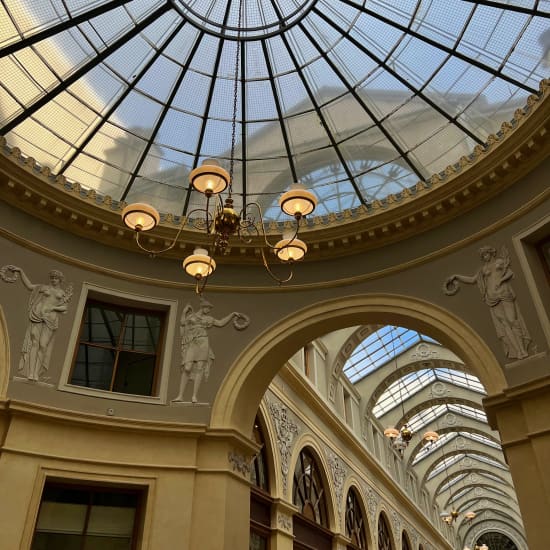
- Galeries Lafayette Haussmann — Opéra — see the festive dome and rooftop views, afternoon, ~1.5 hours.
- Place Vendôme — 1st arrondissement — enjoy elegant Christmas illuminations, late afternoon, ~30 minutes.
- Tuileries Garden Christmas Market — Tuileries — browse seasonal stalls and warm up with vin chaud, early evening, ~1.5 hours.
- Bouillon Chartier Grands Boulevards — Grands Boulevards — enjoy traditional French food at a budget-friendly landmark restaurant, dinner, ~€20–35 per person; reserve or expect a queue.
- Midnight Mass at Notre-Dame de Paris — Île de la Cité — attend a Christmas Eve service if available, late evening, ~1.5 hours; check the official schedule.
Arrival and check-in
Arrive in Paris by mid-afternoon and allow 60–90 minutes for luggage, the journey into the centre, and hotel check-in. For four people with bags, a pre-booked airport transfer or official airport taxi is usually easier than managing the Metro; from Charles de Gaulle, expect roughly 45–75 minutes depending on traffic, while Orly is generally 30–50 minutes. Keep the afternoon gentle—Christmas Eve services and restaurant timings can change, and many places close earlier than usual.
Afternoon: festive department-store Paris
Head first to Galeries Lafayette Haussmann, ideally around 3:30–4:00 pm. The grand Christmas dome and window displays are the main draw, and the rooftop terrace gives you a useful first look across Paris if weather permits. Allow about 1½ hours; entry is free, though the rooftop can close for weather or crowd control. From here, walk 20 minutes toward Place Vendôme, passing the beautifully lit Rue de la Paix. Spend around 30 minutes enjoying the understated illuminations and polished façades before continuing toward the river.
Evening: market, dinner, and midnight worship
Walk or take Metro line 1 from Concorde toward the Tuileries Garden Christmas Market—check the seasonal operating hours before setting out, as Christmas Eve closing may be earlier than normal. Browse the chalet stalls for crêpes, roasted chestnuts, and vin chaud, but dress warmly: the gardens are exposed and damp in winter. Around 7:30–8:00 pm, make your way to Bouillon Chartier Grands Boulevards for classic French dishes such as onion soup, steak-frites, or duck confit, usually about €20–35 per person. It is walk-in and queues are common, so arrive early and avoid relying on a late dinner reservation. Afterward, take Metro line 4 to Cité or walk 25 minutes to Notre-Dame de Paris for the midnight Mass, if the official Christmas Eve schedule confirms public entry. Arrive at least 60–90 minutes early, expect security checks and a long wait outdoors, and carry only small bags; otherwise, enjoy the cathedral exterior and Île de la Cité quietly before returning by taxi, since late-night public transport may be less frequent.
Christmas Day in Paris
- Musée de l’Orangerie — Tuileries — view Monet’s Water Lilies in an intimate setting, late morning, ~1.5 hours; verify Christmas opening.
- Place de la Concorde — 8th arrondissement — admire the obelisk and festive avenue views, midday, ~30 minutes.
- Champs-Élysées — 8th arrondissement — stroll beneath the holiday lights toward the Arc de Triomphe, afternoon, ~1 hour.
- Le Marais Christmas stroll — Le Marais — explore atmospheric lanes and independent shops, late afternoon, ~1.5 hours.
- L’As du Fallafel — Le Marais — have a casual, inexpensive dinner, evening, ~€10–20 per person; confirm holiday opening.
Late Morning
Christmas Day is unusually quiet in Paris, so start around 10:30 with the Musée de l’Orangerie in the Jardin des Tuileries. Its oval rooms of Claude Monet’s Water Lilies are ideal for a peaceful winter visit and take about 90 minutes. Christmas opening hours can change, so verify the museum’s official schedule before leaving; standard admission is roughly €12 per person, with timed entry often required. From central hotels, use Métro line 1 to Concorde or walk along the Rue de Rivoli.
Afterward, walk five minutes to Place de la Concorde for a brief look at the obelisk, fountains, and the grand perspective toward the Champs-Élysées. Continue up the avenue beneath its holiday lights, taking your time toward the Arc de Triomphe—about an hour at an easy pace. Many shops and cafés close or operate reduced hours on Christmas Day, so treat this as an outdoor stroll rather than a shopping stop; if you want coffee, check openings around Avenue des Champs-Élysées before setting out.
Late Afternoon and Evening
Take Métro line 1 from George V or Franklin D. Roosevelt toward Saint-Paul for a late-afternoon wander through Le Marais. Explore Rue des Rosiers, Rue Vieille-du-Temple, and the quieter lanes around Rue des Francs-Bourgeois, where the historic façades and low winter light make the neighborhood especially atmospheric. Allow about 90 minutes, but expect many independent boutiques to be closed on Christmas; the pleasure today is the architecture, courtyards, and festive streets rather than shopping.
Finish at L’As du Fallafel on Rue des Rosiers for a casual dinner, usually around €10–20 per person. Confirm its Christmas opening before crossing town—holiday closures are common—and have a backup nearby if needed, such as a hotel restaurant or another open Middle Eastern spot in Le Marais. The falafel is generally takeaway-style and quick, making it a practical Christmas dinner after a full walking day; return by Métro from Saint-Paul, or use a taxi if services are limited and the group is tired.
Paris winter highlights
- Musée du Louvre — Louvre — spend the morning with Paris’s essential masterpieces, morning, ~3 hours; reserve a timed ticket and verify holiday hours.
- Palais Royal — 1st arrondissement — see the arcades and Buren columns, early afternoon, ~45 minutes.
- Rue Montorgueil — 2nd arrondissement — browse food shops and enjoy a pastry or coffee, afternoon, ~1 hour.
- Centre Pompidou — Beaubourg — visit modern-art galleries and the rooftop area, late afternoon, ~2 hours; check holiday opening.
- Breizh Café — Le Marais — enjoy a Breton crêpe-and-cider dinner, evening, ~€25–40 per person.
Morning
Start early at the Musée du Louvre, ideally for a timed entry around 9:00 or 9:30. Allow roughly three hours, concentrating on a manageable route through the Denon Wing for the Mona Lisa, Winged Victory of Samothrace, and Venus de Milo, rather than trying to cover the entire museum. Tickets are generally around €22 per adult; check the official holiday schedule carefully, as opening hours around Christmas can change. From your accommodation, use Palais Royal–Musée du Louvre or Pyramides Metro stations, and plan a coffee break before entering since the museum cafés can be busy.
Early Afternoon
Walk a few minutes to Palais Royal, entering through the elegant arcades around the garden. Spend about 45 minutes admiring the black-and-white Buren columns in the Cour d’Honneur, then wander beneath the covered galleries for window-shopping and a quieter glimpse of central Paris. Continue east to Rue Montorgueil, about 15–20 minutes on foot, passing through the lively streets around Rue Étienne-Marcel. This is a good place for a relaxed pastry or coffee—try Stohrer, one of Paris’s historic pâtisseries, for a kouign-amann, éclair, or hot drink. Shops may keep reduced winter hours, so treat this as a browsing stop rather than a full meal.
Late Afternoon and Evening
From Rue Montorgueil, walk or take Metro line 4 from Étienne Marcel toward Châtelet, then continue to Centre Pompidou. Give yourself around two hours for the modern-art galleries and, if open, the rooftop area, which offers one of the best urban views toward Sacré-Cœur and the rooftops of the Marais. The centre is normally closed on Tuesdays but should be checked for its special holiday schedule; admission is usually about €15–€17, with the rooftop sometimes included or separately ticketed. Finish with dinner at Breizh Café in Le Marais, reserving ahead if possible. Expect approximately €25–40 per person for savoury crêpes, a dessert crêpe, and Breton cider; afterward, take an unhurried walk along Rue des Rosiers and Place des Vosges, keeping in mind that some shops and galleries may close earlier during the holiday period.
Arrival in Barcelona
- TGV Paris–Barcelona — Gare de Lyon to Barcelona Sants — depart early, allowing roughly 6½–7 hours; arrive, check in, and use taxis or the metro for luggage.
- Plaça de Catalunya — Eixample/Ciutat Vella — orient yourselves at Barcelona’s central square, late afternoon, ~30 minutes.
- Gothic Quarter — Barri Gòtic — wander medieval lanes and atmospheric plazas, late afternoon, ~1.5 hours.
- Barcelona Cathedral — Barri Gòtic — see the historic cathedral interior and cloister, early evening, ~1 hour; verify holiday hours.
- El Xampanyet — El Born — share tapas and cava in a classic neighborhood bar, dinner, ~€30–45 per person.
Arrival and check-in
Take the early direct train from Paris Gare de Lyon to Barcelona Sants, allowing roughly 6½–7 hours. After arriving, give yourselves about 60–90 minutes for luggage, check-in, and settling in; with four people and winter bags, a taxi from Barcelona Sants is often simplest, while Metro lines 3 and 5 are cheaper if your hotel is nearby. Aim to be back out around 16:00, keeping the afternoon relaxed after the long journey.
Late Afternoon
Start at Plaça de Catalunya, Barcelona’s central meeting point, and spend about 30 minutes getting oriented. From here, walk down Portal de l’Àngel and turn into the Gothic Quarter. Allow around 1½ hours to drift through its medieval lanes, small plazas, and quieter corners around Plaça de Sant Felip Neri; this is best enjoyed without a rigid route, especially as the winter light begins to soften. Wear comfortable shoes—the old quarter’s cobbles are uneven—and keep phones and wallets secure in crowded lanes.
Early Evening and Dinner
Continue to Barcelona Cathedral, a short walk away, for its historic interior and cloister. Plan about an hour, but check the official holiday schedule before leaving the hotel, as Christmas-period services can alter visitor access; shoulders and knees should be covered. Afterwards, walk roughly 15 minutes toward El Born for dinner at El Xampanyet, a beloved traditional bar known for cava, anchovies, conservas, and small tapas. It is compact and does not usually take reservations, so arrive around 19:30–20:00 or expect a short wait; budget approximately €30–45 per person, and confirm its holiday opening hours before relying on it.
Barcelona city and coast
- Sagrada Família — Eixample — visit Gaudí’s spectacular basilica, morning, ~2 hours; reserve timed tickets.
- Hospital de Sant Pau — Eixample — explore one of Barcelona’s finest modernist complexes, late morning, ~1.5 hours.
- Casa Batlló — Passeig de Gràcia — tour Gaudí’s fantastical townhouse, afternoon, ~1.5 hours.
- Barceloneta Beach — Barceloneta — take a winter seaside walk, late afternoon, ~1 hour.
- Can Solé — Barceloneta — eat traditional seafood and rice dishes, dinner, ~€40–60 per person; reserve ahead.
Morning
Start with a timed visit to Sagrada Família around 9:00, when the light through the stained glass is especially beautiful and the crowds are still manageable. Allow about two hours, including the basilica and, if available, the tower visit; reserve official tickets in advance, usually around €26–€40 per person depending on access. From central Eixample, walk or take the L2 or L5 Metro to Sagrada Família. Dress warmly inside—the vast interior can feel chilly—and remember that shoulders should be covered.
Walk roughly 10 minutes along Avinguda de Gaudí to Hospital de Sant Pau, one of the city’s most rewarding modernist sites and generally quieter than Gaudí’s headline attractions. Spend 90 minutes exploring the tiled pavilions, gardens, and underground passages; admission is commonly about €17–€18, with opening hours often beginning around 9:30 or 10:00, though holiday schedules should be checked. For a quick coffee before or after, Buenas Migas near Avinguda de Gaudí is convenient, but keep lunch light so you can enjoy the afternoon.
Afternoon and Evening
Continue down Passeig de Gràcia by Metro or taxi for your timed visit to Casa Batlló, allowing around 1½ hours for the immersive rooms, rooftop, and Gaudí’s famously irregular details. Tickets typically cost about €35–€45, and advance booking is essential over the holiday period. Afterward, take the L4 from Passeig de Gràcia toward Barceloneta, or use a taxi if the four of you are travelling together; finish the day with an unhurried walk along Barceloneta Beach, where winter light, fishing boats, and the promenade are more appealing than the beach itself. Have dinner at Can Solé, a classic seafood restaurant on Carrer de Sant Carles, known for rice dishes and traditional Barceloneta cooking. Reserve ahead, expect roughly €40–€60 per person, and ask about the day’s rice specialities; dinner service commonly begins around 8:00 p.m.
Valencia winter escape
- Train Barcelona–Valencia — Barcelona Sants to València Joaquín Sorolla — depart early, roughly 3 hours; store luggage at the hotel or station.
- Mercado Central de Valencia — Ciutat Vella — sample local produce, pastries, and horchata ingredients, late morning, ~1 hour; verify holiday opening.
- La Lonja de la Seda — Ciutat Vella — see Valencia’s remarkable Gothic silk exchange, midday, ~45 minutes.
- Valencia Cathedral and El Micalet — Ciutat Vella — explore the cathedral quarter and climb if weather permits, afternoon, ~1.5 hours.
- Casa Montaña — El Cabanyal — enjoy classic tapas and local wine, dinner, ~€25–40 per person; reserve.
- Return to Barcelona or onward travel to Rome — depart according to your booked connection; allow extra time for the station or airport and luggage.
Late Morning
Take an early Renfe Euromed from Barcelona Sants to València Joaquín Sorolla, aiming to arrive around 11:00. The station is a short walk or taxi ride from Ciutat Vella; leave larger bags at your hotel, or use the staffed left-luggage service at the station if check-in is not available. Head first to Mercado Central de Valencia, usually open Monday–Saturday until around 15:00, though Christmas-season hours can change. Spend an hour browsing citrus, jamón, cheeses, and the stalls selling ingredients for horchata and fartons—buy a small snack rather than trying to make this a full lunch.
A five-minute walk brings you to La Lonja de la Seda, opposite the market. This 15th-century Gothic silk exchange is compact but extraordinary, especially the twisting columns in the Contract Hall; allow 45 minutes. Entry is generally only a few euros, with reduced or special holiday hours possible, so check the official listing that morning. Continue through the lanes of Ciutat Vella toward Valencia Cathedral—roughly 10 minutes on foot—for the cathedral quarter, its mixture of Romanesque, Gothic, and Baroque details, and El Micalet bell tower. Allow about 90 minutes; the tower climb is steep and exposed, so skip it if the weather is wet or windy. A simple lunch near the cathedral is sensible, since many restaurants serve later in the evening; try a café on Plaça de la Reina rather than overcommitting to a large meal.
Evening
After a relaxed afternoon wandering the quieter lanes around El Carmen, take a taxi or Metro toward El Cabanyal—about 20–25 minutes from the cathedral, depending on traffic. Have dinner at Casa Montaña, a much-loved traditional wine bar on Carrer de Josep Benlliure. Reserve ahead, particularly during the holiday week, and order a selection of tapas such as conservas, grilled seafood, cured meats, and local wines; budget roughly €25–40 per person. It is a good place to eat gradually rather than order one large meal, and the old tiled interior feels far more local than the beachfront restaurants.
If tonight is your onward travel night, do not linger over dinner: allow at least 30 minutes to return for luggage, then extra time for the station or airport and group check-in. If continuing to Rome, verify whether your booking departs from Valencia Airport or València Joaquín Sorolla, as they are in different directions; a pre-booked taxi is easiest for four people with bags.
Arrival in Rome
- Flight Valencia–Rome — Valencia Airport to Rome — take an early flight, roughly 2 hours plus airport time; use a taxi or Leonardo Express after landing.
- Spanish Steps — Campo Marzio — begin with Rome’s elegant historic center, late morning, ~30 minutes.
- Trevi Fountain — Trevi — see the Baroque fountain before evening crowds, midday, ~30 minutes.
- Pantheon — Centro Storico — visit one of Rome’s best-preserved ancient buildings, afternoon, ~1 hour; verify opening.
- Piazza Navona — Centro Storico — admire Bernini’s fountains and winter atmosphere, late afternoon, ~45 minutes.
- Roscioli Salumeria con Cucina — Campo de’ Fiori — enjoy a renowned Roman dinner, evening, ~€50–80 per person; reserve well ahead.
Arrival and historic centre
Take an early flight from Valencia Airport and expect to reach Rome Fiumicino Airport in the late morning, allowing time for baggage and the journey into town. For four people with luggage, an official airport taxi to your accommodation is simplest—use the fixed city-centre fare, currently around €55 per car, if your address falls within the designated zone. The Leonardo Express to Roma Termini is quicker for central hotels but less convenient with bags. After dropping luggage, head to the Spanish Steps in Campo Marzio; give yourselves about 30 minutes to admire the staircase and browse the elegant lanes around Via dei Condotti. The steps are always accessible and free, though sitting on them is prohibited.
Walk roughly 10 minutes through Via del Tritone and the narrow streets of Trevi to reach the Trevi Fountain around midday. It is worth arriving before the evening rush, although the piazza will still be busy; keep phones and wallets secure in the crowd. Allow 30 minutes, then stop for a quick espresso or supplì rather than a full tourist-menu lunch. From here, continue for about 10 minutes towards the Pantheon, checking the official calendar before setting out: opening is generally from morning until early evening, with the last admission before closing, but religious services and holiday arrangements can alter access. Entry is usually around €5, and an hour is enough to appreciate the vast dome and the tomb of Raphael.
Late afternoon and dinner
Continue on foot for 8–10 minutes to Piazza Navona, arriving as the winter light softens and the fountains begin to glow. Spend around 45 minutes around Bernini’s Fountain of the Four Rivers, then wander towards Campo de’ Fiori before dinner. Reserve Roscioli Salumeria con Cucina well in advance—this is one of Rome’s most sought-after tables, with dinner typically costing €50–80 per person before drinks. Expect excellent Roman pasta, cured meats, and a lively, close-set dining room; confirm the reservation address because the Roscioli name is used by several nearby venues. After dinner, take an official taxi back to your accommodation rather than relying on a long walk after the early flight.
New Year's Eve in Rome
- Colosseum — Monti — tour Rome’s iconic amphitheater, morning, ~1.5 hours; reserve a timed ticket.
- Roman Forum and Palatine Hill — Monti — explore the ancient civic center and panoramic ruins, late morning, ~2 hours.
- Mercato di Campagna Amica del Circo Massimo — Circus Maximus area — browse regional Italian foods if open, midday, ~1 hour.
- Aventine Keyhole — Aventine Hill — enjoy a distinctive view toward St Peter’s, afternoon, ~30 minutes.
- Trastevere — Trastevere — stroll its lanes before the celebration, early evening, ~1.5 hours.
- Circo Massimo New Year’s Eve celebrations — Circus Maximus — join Rome’s major public festivities and fireworks programming, late evening; confirm the official event and transport restrictions.
Morning
Start early at the Colosseum, ideally with a timed entry around 8:30–9:00. From central Rome, take Metro Line B to Colosseo; it is one of the few mornings when arriving before the crowds really pays off. Allow about 90 minutes for the amphitheatre, and bring photo ID if your ticket is nominative. Combined tickets generally cost around €18–€25, though special underground or arena access costs more. Continue directly into the Roman Forum and Palatine Hill for roughly two hours. Wear shoes with good grip—the ancient paths are uneven—and carry water, as there is limited shade and very little shelter from winter rain.
Lunch and Afternoon
Around midday, walk toward Circus Maximus for Mercato di Campagna Amica del Circo Massimo, usually held on weekends and often operating roughly 8:00–15:00, though the New Year holiday schedule must be checked close to the date. Browse stalls of Lazio cheeses, cured meats, bread, olive oil, and seasonal produce, then assemble a casual picnic or lunch; budget about €10–€20 per person. If the market is closed, nearby Testaccio is a practical backup for lunch, but keep the main afternoon free. From Circus Maximus, walk uphill to the Aventine Keyhole—about 15–20 minutes, with a steep final stretch—for the famous framed view toward St Peter’s Basilica. It takes only 30 minutes, and the queue can be longer than the viewing itself, so go before dusk.
Evening and New Year’s Eve
Head into Trastevere around 18:00 for an unhurried pre-celebration wander through its lanes and piazzas. For dinner, reserve a table well ahead at Da Enzo al 29 or Spirito di Vino; both are popular, and New Year’s Eve menus may be fixed-price, commonly €60–€120 per person. Afterward, make your way back toward Circo Massimo before the crowds thicken. Rome’s official New Year’s Eve programme and entry arrangements can change, so check the city’s event notices shortly before the date; expect security checks, closed roads, and limited Metro service. Do not rely on taxis after midnight—walk from Trastevere where possible, or arrive early by Metro and follow the signed pedestrian routes. Keep phones and wallets secure in the celebration crowd, and dress in warm layers: the open space around Circo Massimo feels much colder than the narrow historic streets.
New Year's Day in Rome
- St Peter’s Basilica — Vatican City — attend a New Year’s service or visit the basilica, late morning, ~1.5 hours; check the Vatican schedule.
- Ponte Sant’Angelo — Prati — cross the bridge for river and Castel Sant’Angelo views, early afternoon, ~45 minutes.
- Castel Sant’Angelo — Prati — explore papal apartments and rooftop panoramas, afternoon, ~2 hours; verify holiday opening.
- Pizzarium Bonci — Prati — enjoy excellent Roman pizza al taglio, early evening, ~€15–25 per person.
- Campo de’ Fiori — Centro Storico — take a relaxed evening stroll through the historic center, evening, ~45 minutes.
Late Morning
Begin around 10:00, but check the official Vatican calendar first: St Peter’s Basilica may host a New Year’s service with restricted visitor access, and entry procedures can be slower than usual. If attending Mass, arrive well ahead of the stated start time with passports or ID and avoid large bags; otherwise, visit once general access opens. The basilica is free, while the dome requires a separate ticket, and modest clothing is required. From central Rome, take Metro Line A to Ottaviano and walk through Via di Porta Angelica, or use a taxi for roughly €10–15 depending on traffic.
Afterward, walk through the Prati neighborhood toward Ponte Sant’Angelo, allowing about 20 minutes along Via Crescenzio. Take your time crossing this handsome pedestrian bridge, stopping for the views along the Tiber and toward Castel Sant’Angelo; it is especially atmospheric in winter light. Continue directly into Castel Sant’Angelo, allowing around two hours for the fortress passages, papal apartments, and rooftop terrace. Confirm the January 1 opening hours before setting out, as holiday schedules can change; standard admission is usually around €15, with reduced tickets sometimes available.
Early Evening and Evening Stroll
For a relaxed early dinner, head to Pizzarium Bonci on Via della Meloria, near Cipro—a short taxi ride or about 15 minutes by Metro Line A from the castle area. Choose several rectangular slices by weight, particularly seasonal vegetable toppings, mortadella, or classic tomato-and-mozzarella combinations; expect roughly €15–25 per person with drinks. It is casual and counter-service, so it works well after a museum visit, though New Year’s Day hours should be checked and the queue may be longer than normal.
Finish with an unhurried walk through the Centro Storico to Campo de’ Fiori, passing atmospheric lanes around Via dei Cappellari and Via del Pellegrino. The market itself is quieter after sunset and many stalls may be closed for the holiday, but the square remains a pleasant place for a final drink or warm dessert. From here, walk back toward your accommodation or use a taxi; Rome’s buses can be infrequent on New Year’s Day, so allow extra time and check live departures in the Moovit or ATAC Roma app.
Florence winter culture
- High-speed train Rome–Florence — Roma Termini to Firenze Santa Maria Novella — depart early, roughly 1½ hours; leave luggage at your Florence hotel or station.
- Piazza del Duomo — Duomo — see Florence Cathedral, Giotto’s Campanile, and the Baptistery exterior, morning, ~1 hour.
- Galleria dell’Accademia — San Marco — view Michelangelo’s David, late morning, ~1.5 hours; reserve ahead.
- Mercato Centrale Firenze — San Lorenzo — browse Tuscan foods and choose a casual lunch, midday, ~1.5 hours; verify holiday hours.
- Uffizi Gallery — Signoria — see Renaissance masterpieces, afternoon, ~2.5 hours; reserve a timed ticket.
- Trattoria Mario — San Lorenzo — have a traditional Florentine meal, dinner, ~€25–40 per person; check opening and reserve if possible.
Morning
Take an early Frecciarossa or Italo from Roma Termini to Firenze Santa Maria Novella, ideally departing around 7:30–8:30; the journey takes about 1½ hours. On arrival, leave your bags at your Florence hotel or the station’s luggage storage, then walk toward Piazza del Duomo. Spend about an hour admiring Florence Cathedral, Giotto’s Campanile, and the exterior of the Baptistery. The square is busiest later in the day, so enjoy it before the tour groups arrive; entry to the cathedral complex varies by ticket, while viewing the exteriors is free.
Continue north through the San Marco neighborhood to the Galleria dell’Accademia, allowing roughly 1½ hours for Michelangelo’s David and the surrounding collection. Reserve a timed ticket through the official museum website, especially during the holiday period; expect admission to cost approximately €16–€20 before reservation fees. Afterward, walk about 10 minutes south to Mercato Centrale Firenze in San Lorenzo for lunch. Browse the Tuscan stalls and choose something casual—ribollita, fresh pasta, or a lampredotto sandwich—though check the market’s holiday opening hours before relying on it.
Afternoon and Evening
After lunch, walk through Via dei Calzaiuoli toward the Uffizi Gallery in Piazza della Signoria. Your timed visit should take around 2½ hours; focus on Botticelli, Leonardo, Michelangelo, and Caravaggio rather than trying to see every room. Tickets generally cost around €25–30 including booking fees, and arriving 15 minutes early is sensible. Once outside, leave time for a gentle wander around Piazza della Signoria and the nearby lanes along the Arno before dinner. For a classic, unfussy Florentine meal, head back toward San Lorenzo for Trattoria Mario—order the bistecca if sharing, or try its daily Tuscan specialities. Plan on about €25–40 per person, and verify its holiday opening days and dinner service in advance, as it traditionally keeps limited hours and may not accept standard reservations.
Return to Paris
- High-speed train Florence–Paris — Firenze Santa Maria Novella to Paris Gare de Lyon — travel via Milan or Turin, typically a full day; depart early and confirm connections.
- Hotel check-in and rest — Paris — allow time to settle in after the long journey, evening, ~1 hour.
- Canal Saint-Martin — 10th arrondissement — take an easy neighborhood walk, early evening, ~1 hour.
- Holybelly — 10th arrondissement — enjoy a relaxed brunch-style dinner or sweet treat, evening, ~€20–35 per person; confirm service hours.
- Place de la République — 10th arrondissement — finish with a central square stroll, evening, ~30 minutes.
Arrival and check-in
This is a long travel day, so keep the evening deliberately gentle. After arriving in Paris, allow about an hour to reach your hotel and check in, then take time to shower, unpack, and warm up. If you have luggage and are staying in central Paris, a pre-booked transfer or official taxi is easiest; avoid adding another complicated connection after the Florence journey. Before heading out, check Holybelly’s latest evening service—its hours can vary, and it is better to confirm than arrive after the kitchen has closed.
Early Evening
Once settled, walk through the Canal Saint-Martin neighborhood for an easy first taste of Paris again. Follow the canal around Quai de Valmy and Quai de Jemmapes, crossing at the small footbridges and watching the locals gather around the locks; in January it will be chilly and dark early, so allow roughly an hour and wear shoes with good grip. From the canal, it is about a 10–15-minute walk toward Holybelly. Settle in for a relaxed brunch-style dinner or a sweet treat—budget around €20–35 per person, depending on drinks and extras. The restaurant is casual and popular, so a short wait is possible.
Evening
Finish with a brief stroll through Place de la République, roughly 10 minutes from Holybelly. The broad square is lively even on winter evenings, with its central monument lit up and plenty of room to pause without committing to another attraction. From here, use République Metro station for Lines 3, 5, 8, 9, or 11, or take a taxi if everyone is tired. Keep the night early: you have another Paris departure tomorrow, and the Florence-to-Paris connections make this more of a comfortable reset evening than a sightseeing marathon.
Departure from Paris
- Marché d’Aligre — 12th arrondissement — browse a lively Parisian food market if your departure time allows, morning, ~1 hour; verify opening day.
- Café de Flore — Saint-Germain-des-Prés — have a final classic Paris coffee or breakfast, morning, ~1 hour, ~€15–30 per person.
- Luxembourg Gardens — Latin Quarter — enjoy a brief winter walk before leaving, late morning, ~45 minutes.
- Transfer to Paris airport or station — Paris — depart 3 hours before an international flight, or 60–90 minutes before a train; use a prebooked taxi for four travelers.
Morning
If your departure time allows, begin at Marché d’Aligre in the 12th arrondissement, ideally around 8:30–9:00. The covered market and surrounding stalls are a good final taste of everyday Paris: look for cheese, bread, fruit, and small takeaway treats rather than planning a full breakfast. The market is generally open in the morning but is usually closed on Mondays, and individual stalls may follow holiday schedules, so verify hours for 4 January. From there, take Metro Line 8 from Ledru-Rollin toward Strasbourg–Saint-Denis, changing for Saint-Germain-des-Prés, or use a taxi—allow about 20–30 minutes.
Have your final Paris coffee or breakfast at Café de Flore on Boulevard Saint-Germain. Expect roughly €15–30 per person, and choose an indoor table if the winter terrace is too cold; service is leisurely, so leave at least an hour. Then stroll through Luxembourg Gardens for about 45 minutes, entering from Rue de Vaugirard or Rue de Médicis. The garden is free, but winter opening times vary with daylight and weather; this is best as a relaxed final walk around the terraces and tree-lined paths rather than a major sightseeing stop.
Departure
Return to your accommodation, collect your bags, and leave for the airport or station with plenty of margin. For four travelers with luggage, a pre-booked taxi or official Paris airport taxi is usually smoother than the Metro. Allow at least three hours before an international flight—more if checking bags—or 60–90 minutes before a train, depending on the station and whether you need to return keys or collect luggage. Keep passports, tickets, chargers, and any remaining travel documents together in one day bag, and confirm the exact terminal or platform before leaving.