Paris City Break from Friday 23 October to Wednesday 28 October 2026
Arrival and central Paris
- Le Marais stroll — Le Marais; late afternoon, ~1.5 hours. Wander Rue des Rosiers, Place des Vosges, and the historic lanes after arrival.
- Place des Vosges — 4th arrondissement; late afternoon, ~30 minutes. Enjoy Paris’s elegant oldest planned square and arcades.
- Maison Victor Hugo — Place des Vosges; late afternoon, ~1 hour. Visit the former home of the celebrated French author.
- L’As du Fallafel — Le Marais; early evening, ~45 minutes, approximately €10–20 per person. Try its famous falafel pita for a casual first meal.
- Seine evening walk from Hôtel de Ville to the Louvre — Central Paris; evening, ~1.5 hours. Finish with a scenic introduction to illuminated Paris along the river.
Late Afternoon — First Walk Through Le Marais
After arriving and settling in, begin with an easy Le Marais stroll, allowing about 1½ hours to get your bearings. Start around Rue des Rosiers, where the narrow lanes mix historic Jewish-quarter landmarks, independent shops, galleries, and bakeries. Continue south and west through the old streets toward Place des Vosges; this is best enjoyed without a strict route, especially in late October when the light softens early. If you are carrying luggage, use a taxi or leave bags at your accommodation first—the cobbled lanes and crowded pavements are awkward with wheels.
Spend around 30 minutes beneath the arcades of Place des Vosges, Paris’s oldest planned square, then visit Maison Victor Hugo, at 6 Place des Vosges. The museum occupies the apartment where Victor Hugo lived from 1832 to 1848 and is usually open Tuesday–Sunday, roughly 10:00–18:00, with free admission to the permanent collection; check the official site before travelling because opening arrangements can change. Allow about an hour, and note that the museum may close on Mondays—if so, enjoy the square and continue directly to dinner.
Early Evening — Casual Dinner
For a quick first meal, go to L’As du Fallafel on Rue des Rosiers, where the famous falafel pita generally costs about €10–20 per person. Expect a queue and a lively, no-frills atmosphere; takeaway is often faster than sitting down. It is a popular spot rather than a hidden local secret, but the combination of crisp falafel, aubergine, salad, and tahini is an easy, satisfying introduction to the neighborhood. Keep an eye on closing days and evening hours, which can vary, particularly around Jewish holidays.
Evening — Along the Seine
After dinner, walk toward Hôtel de Ville and begin the 1½-hour Seine evening walk from Hôtel de Ville to the Louvre. Follow the river west, pausing at the waterside viewpoints for reflections of the illuminated bridges and monuments. The route is straightforward and mostly flat; allow extra time for photographs around the Pont des Arts and the courtyards and quays near the Louvre. In late October, sunset is around 19:00, so starting after dinner should give you a properly atmospheric walk without making the evening too late. For the return journey, use Palais Royal–Musée du Louvre, Châtelet, or a taxi depending on where you are staying; a single metro journey is about €2.15, while a short central taxi ride commonly costs roughly €10–20.
Historic Paris
- Île de la Cité and Notre-Dame Cathedral — Île de la Cité; morning, ~1.5 hours. Explore the restored cathedral and its historic surroundings.
- Sainte-Chapelle — Île de la Cité; late morning, ~1 hour. Admire its remarkable medieval stained-glass windows.
- Marché aux Fleurs Reine Elizabeth II — Île de la Cité; midday, ~30 minutes. Browse the historic flower market near Notre-Dame.
- Louvre Museum — 1st arrondissement; afternoon, ~3 hours. Focus on a manageable selection of masterpieces rather than attempting the entire museum.
- Café de Flore — Saint-Germain-des-Prés; evening, ~1 hour, approximately €15–30 per person. Enjoy a classic Parisian café break in a literary setting.
Morning
Start early on Île de la Cité, ideally arriving around 8:30–9:00, before the river island fills with visitors. Spend about 1½ hours at Notre-Dame Cathedral, taking time to appreciate the restored interior and the quieter lanes around the cathedral rather than rushing straight through. Entry to the cathedral is free, but timed reservations may be required through the official Notre-Dame booking system; security queues can still be significant. From there, walk a few minutes to Sainte-Chapelle for a late-morning visit of roughly an hour. Its upper chapel is at its most beautiful when daylight catches the stained glass, and timed tickets are strongly recommended; allow extra time for airport-style security.
Midday and Afternoon
Before leaving the island, browse Marché aux Fleurs Reine Elizabeth II, just beside the prefecture and close to the cathedral. It takes only 20–30 minutes, but the flower stalls and small plant shops make a pleasant pause; opening hours can vary, so treat it as a flexible stop rather than the day’s anchor. Walk across the river toward the Louvre Museum—around 20 minutes via the Pont Neuf and Rue de Rivoli—or take Metro Line 1 from Châtelet to Palais Royal–Musée du Louvre. Give the Louvre about three hours and choose one wing or a short list of highlights in advance; general admission is roughly €22, with timed entry advisable, and the museum is typically open Saturday until around 18:00. Keep your bag small, as large luggage is not practical in the galleries.
Evening
After the Louvre, cross toward Saint-Germain-des-Prés by Metro Line 1 to Châtelet, then Line 4 to Saint-Germain-des-Prés, or simply take a taxi if your feet are done for the day. Settle in at Café de Flore for an hour over coffee, hot chocolate, or a light meal—expect approximately €15–30 per person, more for a full dinner. It is famous and polished rather than hidden, but the terrace and red-banquette interior are ideal for watching the neighborhood wind down. If there is a queue, ask about an indoor table; service is usually efficient, and Saturday evening is best approached without trying to fit in another major sight.
Montmartre and northern Paris
- Sacré-Cœur Basilica — Montmartre; morning, ~1 hour. Take in the basilica and panoramic views from the hilltop.
- Place du Tertre — Montmartre; late morning, ~45 minutes. See the lively artists’ square and surrounding village-like streets.
- Musée de Montmartre — Montmartre; midday, ~1.5 hours. Discover Montmartre’s artistic history in a former artists’ residence.
- Le mur des je t’aime — Abbesses; afternoon, ~30 minutes. Visit the compact mural celebrating “I love you” in numerous languages.
- Pink Mamma — South Pigalle; evening, ~1.5 hours, approximately €25–45 per person. Have dinner in this atmospheric Italian restaurant before exploring the neighborhood’s nightlife.
Morning
Set out early for Sacré-Cœur Basilica, ideally arriving around 8:30–9:00 while the steps and Parvis du Sacré-Cœur are still relatively calm. From central Paris, take Metro Line 12 to Abbesses or Line 2 to Anvers—allow 15–25 minutes, then expect a steep walk uphill; the funicular from Anvers is useful if you would rather save your legs. Entry to the basilica is free, while the dome costs roughly €8–10 if you want the higher viewpoint. Afterward, wander downhill through the quiet lanes around Rue du Mont-Cenis toward Place du Tertre, allowing about 45 minutes to watch the portrait artists and browse the small galleries. Keep bags closed here: it is charming but one of Montmartre’s busier tourist pockets.
Midday and Afternoon
Continue on foot to the Musée de Montmartre, a peaceful change of pace in a former artists’ residence. Allow about 1½ hours for the permanent collection and gardens, which usually open around 10:00 and cost approximately €15–17; check the museum’s calendar for temporary exhibitions. For lunch, choose a simple café on Rue des Abbesses rather than eating directly on the square. Then walk roughly 10 minutes to Le mur des je t’aime in Square Jehan Rictus, a compact blue-tiled mural displaying “I love you” in hundreds of languages. Thirty minutes is enough, and the nearby Rue des Abbesses shops make for an easy, unhurried wander before dinner.
Evening
Walk or take a short Metro ride south toward South Pigalle for dinner at Pink Mamma. Its multi-level rooms are atmospheric and photogenic, but reservations are strongly recommended; budget about €25–45 per person, and allow 1½ hours. After eating, stroll along Rue Frochot and the quieter side streets around Pigalle for a glimpse of the neighborhood’s lively evening character. If you are tired, return from Pigalle or Saint-Georges by Metro; keep in mind that the Abbesses station has famously deep stairs, so use another nearby station if you would prefer an easier exit.
Left Bank Paris
- Luxembourg Gardens — Saint-Germain-des-Prés; morning, ~1.5 hours. Walk among formal gardens, fountains, and the Luxembourg Palace.
- Panthéon — Latin Quarter; late morning, ~1.5 hours. Visit the monumental resting place of notable French figures.
- Musée de Cluny – Musée national du Moyen Âge — Latin Quarter; early afternoon, ~2 hours. Explore medieval art, archaeology, and the famous Lady and the Unicorn tapestries.
- Shakespeare and Company — Near Notre-Dame; late afternoon, ~45 minutes. Browse the beloved English-language bookshop beside the Seine.
- Bouillon Racine — Latin Quarter; evening, ~1.5 hours, approximately €25–45 per person. Dine in a richly decorated historic bouillon serving traditional French fare.
Morning
After breakfast in Montmartre, take Metro Line 12 from Abbesses to Sèvres–Babylone, then walk about 15 minutes to Luxembourg Gardens—roughly 25–35 minutes door to door, with a €2.15 single-journey ticket. Arrive around 9:00–9:30, when the gravel promenades are peaceful and the gardeners are at work. Allow 1½ hours to wander past the Medici Fountain, formal parterres and the Luxembourg Palace; opening times follow daylight and vary seasonally, so check the official Senate website shortly before visiting. From the garden’s eastern side, it is a pleasant 10-minute walk through the Latin Quarter to the Panthéon.
Late Morning and Afternoon
Spend about 1½ hours inside the Panthéon, whose vast neoclassical interior and crypt commemorate figures including Victor Hugo, Marie Curie and Alexandre Dumas. Entry is generally around €13, with reduced rates and occasional timed-ticket requirements; check the official monument site for October hours. For lunch, keep it casual around Rue Mouffetard or Place de la Contrescarpe, then walk north for 10 minutes to the Musée de Cluny – Musée national du Moyen Âge. Set aside two hours for the Roman baths, medieval sculpture and the luminous Lady and the Unicorn tapestries; it is usually open Tuesday–Sunday, with admission around €12–14. A short walk via Boulevard Saint-Germain and the river brings you to Shakespeare and Company beside the Seine for a relaxed late-afternoon browse—allow 45 minutes, and expect narrow aisles and a small queue at busy times.
Evening
Finish with dinner at Bouillon Racine, a richly tiled Belle Époque dining room on Rue Racine, about a 10-minute walk back into the Latin Quarter. Reserve ahead, particularly for Saturday-style evening demand even on a Monday, and budget approximately €25–45 per person for classic dishes such as onion soup, steak-frites or profiteroles. The restaurant typically serves through the evening, but confirm the current sitting times when booking; afterward, a gentle walk along Rue de Buci or the quieter stretch of Boulevard Saint-Germain makes an easy end to the day.
Eastern Paris
- Marché d’Aligre — Bastille; morning, ~1.5 hours. Browse one of Paris’s liveliest food and antiques markets.
- Promenade Plantée — 12th arrondissement; late morning, ~1 hour. Walk the elevated greenway built on a former railway viaduct.
- Place de la Bastille — Bastille; midday, ~30 minutes. See the historic revolutionary square and July Column.
- Musée Picasso Paris — Le Marais; afternoon, ~2 hours. Explore Picasso’s work in the Hôtel Salé mansion.
- Chez Janou — Le Marais; evening, ~1.5 hours, approximately €35–60 per person. Enjoy Provençal cooking and a relaxed bistro atmosphere.
Morning
Leave Saint-Germain-des-Prés around 8:30–8:45 for Marché d’Aligre: take Metro Line 4 to Châtelet, change to Line 1 for Bastille, then walk about 10 minutes toward Place d’Aligre—allow roughly 25–30 minutes in total. The market is at its liveliest in the morning, with fruit and vegetable stalls, cheese, seafood, flowers, and the antiques section along Rue du Faubourg-Saint-Antoine. Allow 1½ hours and bring a small bag for snacks; the food market generally runs Tuesday–Sunday, with the covered Marché Beauvau usually open from around 8:00 until early afternoon, though individual stall hours vary. From the market, walk 10 minutes west to Promenade Plantée, entering near Avenue Daumesnil. Spend about an hour on the elevated former railway line, where roses, clipped hedges, and autumn foliage create a peaceful contrast to the busy streets below.
Midday and Afternoon
Continue west along the lower streets for about 15 minutes to Place de la Bastille, where the July Column stands at the centre of the broad traffic circle. It is more a place to pause and orient yourself than a conventional sightseeing stop, so 30 minutes is enough—look for the outlines of the old fortress on the pavement and the modern opera-house façade at the southeast edge. For lunch, pick up something from the market earlier or settle at a nearby café before heading into Le Marais. A 15–20-minute walk via Rue Saint-Antoine brings you to the Musée Picasso Paris; alternatively, take Metro Line 8 from Ledru-Rollin to Chemin Vert. Allow about two hours inside the elegant Hôtel Salé, usually open Tuesday–Sunday from approximately 9:30 to 18:00, with late opening on some evenings; admission is commonly around €16, and checking the official booking page is wise because timed entry and special exhibitions can change. Give yourself time afterward to wander the quieter side streets around Rue de Turenne rather than adding another major sight.
Evening
Finish at Chez Janou, a short walk from the museum near Place du Marché Sainte-Catherine. This warmly crowded Provençal bistro is ideal for an unhurried dinner of dishes such as bouillabaisse, duck, or vegetables with plenty of olive oil and herbs; budget about €35–60 per person before drinks. Dinner service typically begins around 19:00, and reservations are strongly recommended—especially for the cosy interior. Afterward, stroll through the softly lit lanes around Rue des Francs-Bourgeois or along the Quai des Célestins; the area is pleasant at night, but expect lively pavement dining and book ahead if you prefer a quiet table.
Departure from Paris
- Musée de l’Orangerie — Tuileries; morning, ~1.5 hours. See Monet’s monumental Water Lilies in an intimate museum setting.
- Tuileries Garden — 1st arrondissement; late morning, ~1 hour. Take a final leisurely walk through Paris’s iconic formal garden.
- Angelina Paris — Rue de Rivoli; midday, ~1 hour, approximately €15–30 per person. Have a classic hot chocolate and pastry before departure.
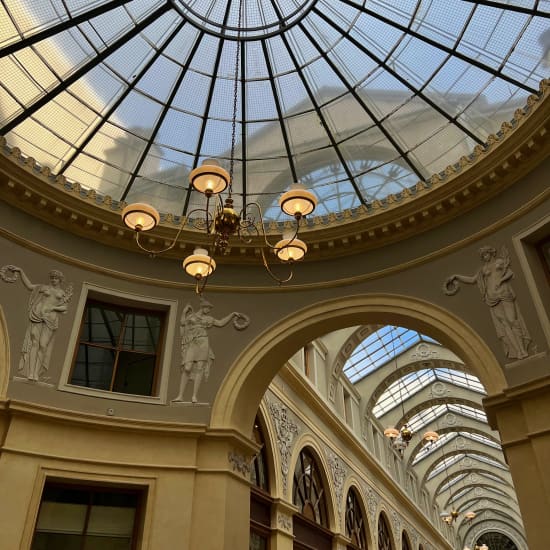
- Galerie Vivienne — 2nd arrondissement; early afternoon, ~45 minutes. Browse one of Paris’s most elegant covered passages near the central transport connections.
Morning
Leave Le Marais around 8:30–8:45 for Musée de l’Orangerie. Take Metro Line 1 from Saint-Paul or Hôtel de Ville toward La Défense, getting off at Concorde, then walk through the gardens to the museum; allow 15–25 minutes door to door. Book a timed ticket if available—October hours are generally from 9:00 to 18:00, with last entry around 17:15, and the museum is usually closed on Tuesdays. Give yourself about 1½ hours for Monet’s oval Nymphéas rooms and the smaller collection downstairs; the soft morning light makes this one of the most atmospheric stops of the day.
Afterwards, step straight into Tuileries Garden for an unhurried final Paris stroll. Follow the central allée toward the Place de la Concorde, pausing by the ponds and outdoor chairs, then drift back along the tree-lined paths toward Rue de Rivoli. The garden is free and open from early morning until evening, but bring a light layer—late October can feel cool and windy in the exposed formal avenues.
Lunch and Early Afternoon
For a classic final treat, settle at Angelina Paris on Rue de Rivoli, beside the garden. Order the famously thick hot chocolate with a Mont-Blanc pastry or a light lunch; allow roughly €15–30 per person and expect a queue, especially late morning. It is a polished, tourist-friendly institution rather than a secret local café, but it is exactly the sort of indulgent Paris stop that works well before a departure. Check the day’s closing time before setting out, as service hours can vary.
From Angelina, walk about 15 minutes east along Rue de Rivoli and Rue des Petits-Champs to Galerie Vivienne. Spend 30–45 minutes browsing the elegant nineteenth-century covered arcade, with its mosaic floor, glass roof, bookshops and small boutiques. It is free to enter and particularly useful if the weather turns wet. From nearby Palais Royal–Musée du Louvre or Pyramides, you can continue easily to your hotel or onward station; for an airport departure, collect luggage first and allow at least 45–90 minutes for the final transfer, plus a generous check-in buffer.