9-Day Family Paris Itinerary from Denver
Arrival and Seine riverfront in Paris
- Flight from Denver to Paris — Denver to Paris-Charles de Gaulle; overnight flight, arriving morning or early afternoon, ~9–10 hours nonstop. Arrange airport transfer and confirm family-room check-in or luggage storage.
- Le Marais hotel check-in and rest — Le Marais; late morning/early afternoon, ~2 hours to recover from the flight.
- Île Saint-Louis — Île Saint-Louis; afternoon, ~1 hour for a relaxed first stroll and views along the Seine.
- Berthillon — Île Saint-Louis; afternoon, ~30 minutes for famous ice cream, with gluten-free flavors available.
- Seine riverbanks — From Île Saint-Louis toward Hôtel de Ville; late afternoon, ~1.5 hours for an easy riverside walk.
- Le Petit Châtelet — Latin Quarter; early evening, ~1.5 hours, classic French dining near the river, approximately €30–€50 per person; ask about gluten-free options.
Arrival and settling in
Fly nonstop from Denver International Airport to Paris–Charles de Gaulle, roughly 9–10 hours overnight. After passport control and baggage claim, allow about 60–90 minutes before leaving the airport. For five people with luggage, a prebooked van transfer is simplest—expect roughly 45–75 minutes to Le Marais, depending on traffic, and about €75–€110. The RER B is cheaper but less comfortable after an overnight flight. Ask your hotel to store bags if the room is not ready, then keep the afternoon deliberately light.
Rest for about two hours before walking to Île Saint-Louis. This peaceful island is an excellent first taste of Paris: wander along Rue Saint-Louis-en-l’Île, then pause at Berthillon for ice cream. Opening days and hours vary seasonally, so check the current schedule before setting out; individual flavors should be confirmed gluten-free at the counter, since cones and shared equipment can create cross-contact. Prices are generally around €4–€8 per person.
Late afternoon and dinner
From Île Saint-Louis, follow the Seine riverbanks west toward Hôtel de Ville, taking your time on the quays and stopping for views of the bridges and passing boats. This is an easy, mostly level walk of about 1.5 hours; in late March, bring a warm layer because the riverfront can be breezy. Continue into the Latin Quarter for dinner at Le Petit Châtelet, a cozy traditional restaurant near the river. Reserve ahead for a family of five, expect approximately €30–€50 per person, and tell the server clearly that one diner must eat gluten-free—ask about sauces, bread, and preparation rather than assuming a dish is safe. After dinner, take a taxi back to the hotel if everyone is tired; otherwise, the walk back through Le Marais makes a pleasant first-night introduction.
Louvre and central Paris
- Louvre Museum — 1st arrondissement; morning to mid-afternoon, ~4 hours, prioritizing the Denon highlights and a prebooked timed entry.
- Tuileries Garden — 1st arrondissement; mid-afternoon, ~1 hour for an outdoor break and carousel or chairs by the ponds.
- Angelina Paris — Rue de Rivoli; late afternoon, ~1 hour for hot chocolate and pastries, approximately €10–€20 per person; request gluten-free choices.
- Place Vendôme — 1st arrondissement; early evening, ~30 minutes to see one of Paris’s grandest squares.
- Bistrot Vivienne — Palais-Royal area; evening, ~1.5 hours for approachable French food, approximately €25–€45 per person; confirm gluten-free preparation.
Morning: Louvre Museum
Leave your hotel around 8:15 a.m. for your timed entry at the Louvre Museum. Metro lines 1 or 7 are usually the best-value option, taking roughly 15–30 minutes; a G7 taxi is easier for five people and generally costs €15–25. Four hours is enough for a highlights-focused visit, but don’t try to cover everything: head first to the Denon wing for the Mona Lisa, Winged Victory of Samothrace, and Venus de Milo, then choose one or two additional galleries. The museum is typically open from 9 a.m. to 6 p.m. and closed Tuesdays; reserve the timed tickets in advance, and download the map before entering because mobile service can be patchy. Allow extra time for security and keep backpacks small.
Afternoon: Tuileries Garden and Angelina Paris
After leaving the museum, walk through the Tuileries Garden for about an hour. The broad gravel paths, green metal chairs, ponds, and seasonal plantings make this an ideal reset after the Louvre; teens may enjoy the traditional carousel near the garden’s western end. Continue along Rue de Rivoli to Angelina Paris for its famous thick hot chocolate and pastries, budgeting roughly €10–20 per person. It can be busy in the afternoon, so expect a short queue or ask about takeaway. For the 13-year-old, speak directly with staff about gluten-free pastries and cross-contact—choices can vary, and the hot chocolate itself may be the safer option.
Evening: Place Vendôme and Bistrot Vivienne
Walk north toward Place Vendôme, about 10–15 minutes from Angelina, to see one of Paris’s most polished squares, surrounded by historic hôtels particuliers and luxury jewelry houses. It is especially attractive as the light fades, when the surrounding façades glow and the square is calmer than during the day. From there, continue toward Bistrot Vivienne near the Palais-Royal for dinner, allowing about 15 minutes on foot. This approachable French restaurant is a good place to keep the evening relaxed after a museum-heavy day; expect approximately €25–45 per person, and confirm gluten-free preparation when ordering rather than relying only on menu labels. A reservation is wise for five, particularly for an early dinner around 6:30–7 p.m.
Notre-Dame and Shakespeare and Company
- Sainte-Chapelle — Île de la Cité; morning, ~1 hour for its exceptional stained glass; reserve timed tickets.
- Notre-Dame de Paris — Île de la Cité; late morning, ~1 hour to visit the cathedral and surrounding parvis.
- Shakespeare and Company — Left Bank opposite Notre-Dame; early afternoon, ~45 minutes for browsing this historic English-language bookshop.
- Odette — Latin Quarter; afternoon, ~30 minutes for gluten-free-friendly cream puffs and a quick sweet stop.
- Musée de Cluny – Musée du Moyen Âge — Latin Quarter; afternoon, ~1.5 hours for medieval art and the Roman baths.
- Bouillon Saint-Germain — Saint-Germain-des-Prés; evening, ~1.5 hours for inexpensive traditional French dishes, approximately €15–€30 per person; ask for gluten-free options.
Morning
Leave your hotel around 8:15–8:30 a.m. for Sainte-Chapelle, taking Metro line 4 from Châtelet to Cité—about 10–15 minutes including the walk, at roughly €2.10 per person. Book a timed ticket in advance and allow about an hour inside; the upper chapel’s jewel-box stained glass is best appreciated before the crowds build. Security can take time, so avoid arriving at the last minute.
Afterward, walk across Île de la Cité to Notre-Dame de Paris. Spend about an hour visiting the cathedral and its parvis, and check the official reservation system close to your travel date in case timed entry is still being used. For lunch, stay near the river rather than committing to a long restaurant stop—the family can pick up something simple from a café or bakery, checking carefully for gluten-free ingredients for your 13-year-old.
Afternoon
Cross the Petit Pont to the Left Bank and browse Shakespeare and Company, directly opposite the cathedral. The compact shop is usually busiest midday, so be patient around the narrow stairways and consider giving each teen time to choose a small book or postcard. A short walk through the Latin Quarter brings you to Odette, where the signature cream puffs make an easy 30-minute sweet stop; confirm the day’s ingredients and cross-contact precautions before ordering, since the pastries are not automatically gluten-free.
Continue to the Musée de Cluny – Musée du Moyen Âge, about a five-minute walk away. Reserve or check opening times before the visit—hours can vary by season—and allow 90 minutes for the medieval collection, especially the Lady and the Unicorn tapestries and the remains of the Roman baths. This is a good museum for a family because it is atmospheric without requiring the sustained concentration of a huge gallery.
Evening
Walk west through Saint-Germain-des-Prés to Bouillon Saint-Germain for an affordable French dinner, generally €15–€30 per person before drinks. Expect a lively, informal dining room and classic dishes rather than polished fine dining; ask specifically about gluten-free preparations and sauces when ordering. From there, Saint-Germain-des-Prés or Odéon Metro stations provide easy connections back to your hotel, while a G7 taxi is worthwhile if everyone is tired.
Rodin Museum and Invalides
- Rodin Museum — 7th arrondissement; morning, ~2.5 hours for sculptures and the garden.
- Rue Cler — 7th arrondissement; late morning, ~1 hour to browse a lively food street and choose picnic items.
- Les Invalides — 7th arrondissement; early afternoon, ~2 hours for the Army Museum and Napoleon’s Tomb.
- Musée des Plans-Reliefs — Les Invalides; afternoon, ~45 minutes for detailed historical models of French fortified cities.
- Café de l’Alma — Near Invalides; evening, ~1.5 hours for a casual meal, approximately €25–€45 per person; confirm gluten-free choices.
Morning
From Île de la Cité, take Metro line 4 to Châtelet, change to line 1 for Concorde, then continue on line 8 toward Invalides—about 25–35 minutes total, plus walking. A taxi is simpler for five people and usually runs €15–25. Start around 8:30 a.m. for the Rodin Museum, which generally opens at 10 a.m.; book a timed entry if available. Allow about 2½ hours for the intimate galleries and the sculpture garden, where The Thinker and The Gates of Hell are the highlights. March weather can be chilly, so bring layers—the garden is the best part but is fully outdoors.
Walk about 15 minutes via Avenue de Tourville to Rue Cler, a pleasant market street for a late-morning wander. Browse the cheese shops, bakeries, fruit stalls, and specialty food stores, then pick up picnic items if the weather is agreeable. For the gluten-free traveler, ask specifically about cross-contamination at bakeries and deli counters; packaged foods with clear allergen labels are the safest choice. Expect roughly €10–20 per person for a casual snack or picnic supplies.
Afternoon and Evening
Continue on foot toward Les Invalides, about 10 minutes from Rue Cler. Give the Army Museum around two hours, including the domed church and Napoleon’s Tomb; the complex is large, so it is worth choosing a few sections rather than trying to read every display. Admission is commonly in the €15–20 range for adults, with reduced or free entry for some younger visitors—check the official site before booking. Inside the same complex, set aside another 45 minutes for the Musée des Plans-Reliefs, an easy-to-miss collection of remarkably detailed models of fortified French towns. Check closing times when reserving, since museum hours and last entry can vary by season.
For dinner, walk roughly 10 minutes toward Café de l’Alma, near the Invalides and the Alma area. Plan on €25–45 per person for a relaxed meal, and contact the restaurant ahead of time to confirm genuinely gluten-free choices and preparation procedures. After dinner, a gentle stroll along Avenue Rapp or the nearby Esplanade des Invalides makes a good low-effort finish; otherwise, use Metro line 8 or a G7 taxi back to your hotel.
Versailles Palace day trip
- RER C from Paris to Versailles Château–Rive Gauche — From central Paris; morning departure around 8:00, ~45–60 minutes each way, allowing time for the station walk and security; do not drive unless parking is reserved.
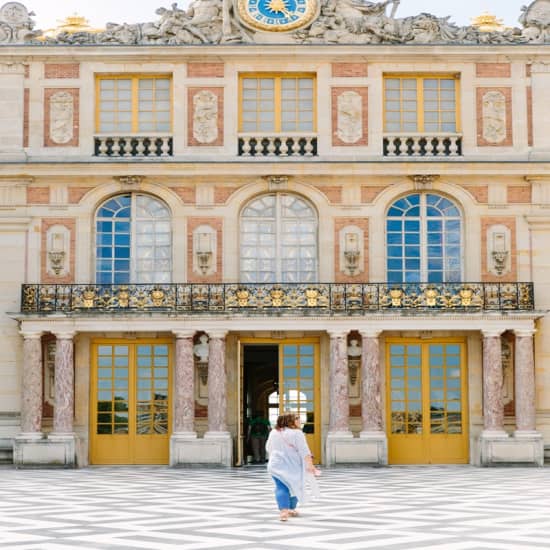
- Palace of Versailles — Versailles; late morning, ~3 hours for the State Apartments, Hall of Mirrors, and royal history; reserve a timed entry.
- La Flottille — Versailles gardens; lunch, ~1 hour, approximately €20–€35 per person; ask about gluten-free options.
- Grand Trianon and Petit Trianon — Versailles estate; afternoon, ~2 hours for quieter palaces and gardens.
- Hameau de la Reine — Versailles estate; late afternoon, ~1 hour for Marie Antoinette’s picturesque rural retreat.
- RER C back to Paris — Versailles to central Paris; depart around 17:00–18:00, ~45–60 minutes, returning before dinner.
Morning
Take the RER C from Invalides or Pont de l’Alma around 7:45–8:00 a.m. to Versailles Château–Rive Gauche; allow 45–60 minutes door to door, including the walk from the station and palace security. Buy a separate Versailles-area ticket for each traveler—roughly €5–6 each way—and check Île-de-France Mobilités for engineering works before leaving. From the station, it is about a 10-minute walk to the Palace of Versailles. Reserve a timed entry in advance and plan about three hours for the State Apartments, Hall of Mirrors, and royal-history rooms; arriving early makes the first interiors noticeably calmer.
Lunch and the Estate
Walk into the gardens for lunch at La Flottille, a convenient garden-side restaurant near the palace. Budget approximately €20–35 per person and ask clearly about gluten-free preparation for your 13-year-old; French restaurants can usually accommodate, but shared fryers and sauces are worth checking. After lunch, continue through the grounds to the Grand Trianon and Petit Trianon, allowing roughly two hours. The quieter scale and elegant gardens are a welcome change after the palace crowds. Comfortable shoes are essential—the estate is much larger than it appears on a map, and the little tourist train or estate shuttle can be useful if everyone is tiring, though walking gives you more freedom.
Late Afternoon and Return
Finish at the Hameau de la Reine, the rustic hamlet created for Marie Antoinette, with its small cottages, lake, and farm-like setting. Allow about an hour, but keep an eye on the last estate transport and seasonal closing times in March; the gardens and outlying buildings may close earlier than the main palace. Head back toward the palace and station around 5:00–6:00 p.m. for the return RER C to Paris, again allowing 45–60 minutes. If the family still has energy, pick up an uncomplicated dinner near your hotel rather than adding another cross-city journey—Versailles is a full day on foot.
Rue Crémieux and eastern Paris
- Rue Crémieux — 12th arrondissement; morning, ~30–45 minutes for colorful architecture; keep voices low because it is residential.
- Marché d’Aligre — 12th arrondissement; late morning, ~1.5 hours for produce, cheese, and market browsing.
- Coulée verte René-Dumont eastern section — Near Bastille; midday, ~1 hour for a leafy elevated walkway.
- Le Train Bleu — Gare de Lyon; lunch, ~1.5 hours for a grand Belle Époque dining room, approximately €35–€60 per person; confirm gluten-free options in advance.
- Parc de Bercy — 12th arrondissement; afternoon, ~1.5 hours for gardens, lawns, and a lower-key family break.
Morning
After leaving Versailles, take the RER C to Saint-Michel–Notre-Dame, then transfer to the RER A for Gare de Lyon—roughly 60–75 minutes altogether. Aim to arrive in the 12th arrondissement around 10:30 a.m. and begin at Rue Crémieux, a short walk from the station. Spend 30–45 minutes admiring the brightly painted houses, but keep voices low and avoid blocking doorways: this is a residential street, not an open-air attraction.
Continue toward Marché d’Aligre, about 15 minutes on foot. The market is liveliest late in the morning, with produce stalls, cheese, flowers, antiques, and inexpensive snacks around Place d’Aligre and Rue d’Aligre. It is generally open Tuesday through Sunday, with the outdoor market especially active before lunch; allow about 1½ hours. For the gluten-free traveler, choose naturally gluten-free items such as fruit, olives, cheese, and grilled foods, and ask vendors about cross-contamination rather than relying on an English-language label.
Lunch and Afternoon
From the market, walk toward Coulée verte René-Dumont, entering near Avenue Daumesnil. This elevated former railway line is a calmer, greener way to reach the Bastille area; allow about an hour for the eastern section, with occasional stair access and limited seating. For lunch, reserve at Le Train Bleu inside Gare de Lyon—the spectacular Belle Époque dining room is worth seeing even if you are not catching a train. Expect approximately €35–€60 per person for a main meal, and contact the restaurant ahead of time about a safe gluten-free meal for the 13-year-old; French service can be leisurely, so allow around 1½ hours.
Finish with a slower afternoon at Parc de Bercy, reached by Metro line 14 from Gare de Lyon to Bercy or by a pleasant walk of about 20 minutes. Wander through the formal gardens, ponds, and old wine-storehouse grounds, then let the teens take a break on the lawns. The park is free and open daily from morning until evening, with closing times varying seasonally; in late March, leave before dusk. This is a deliberately easy finish after several busy sightseeing days, and the nearby Cour Saint-Émilion area has supermarkets and casual cafés if the family wants a simple snack before returning to the hotel.
La Promenade Plantée and Bastille
- La Promenade Plantée — From Bastille toward the 12th arrondissement; morning, ~2 hours for Paris’s original elevated garden walk.
- Viaduc des Arts — Avenue Daumesnil; late morning, ~45 minutes to see artisan studios beneath the elevated promenade.
- Place de la Bastille — Bastille; midday, ~45 minutes for the July Column and the historic square.
- Marché Bastille — Boulevard Richard-Lenoir; lunch, ~1.5 hours for market food and picnic options, approximately €10–€20 per person; choose naturally gluten-free foods carefully.
- Canal Saint-Martin — 10th arrondissement; afternoon, ~1.5 hours for a waterside walk and locks.
- Holybelly 5 — Canal Saint-Martin area; early dinner, ~1 hour for casual brunch-style food, approximately €15–€25 per person; gluten-free options may be available, so ask before ordering.
Morning
If you are starting near Gare de Lyon, walk to Bastille in about 10–20 minutes; otherwise, Metro line 1 takes roughly five minutes plus station walking, with a €2.10 ticket per person. Begin at La Promenade Plantée, entering near the Bastille end and following the former railway viaduct eastward. Allow about two hours, but don’t rush: the planted path is at its nicest in the morning, when the gardens are quiet and the elevated views give you a pleasant look at residential Paris. The full route continues toward Porte Dorée, though you can turn back earlier if the family’s energy dips. Check seasonal access hours at the entrance, as gates can open later than expected in March.
Descend to Viaduc des Arts along Avenue Daumesnil, where the old brick arches now house craftspeople, galleries, and design workshops. A 45-minute look is enough, though many studios keep individual hours and some may be closed on a weekday. Continue west on foot to Place de la Bastille, about 15 minutes, for a quick look at the July Column and the broad historic square—more a busy Paris crossroads than a traditional plaza.
Lunch and Afternoon
For lunch, walk to Marché Bastille on Boulevard Richard-Lenoir, generally held on Thursdays and Sundays, usually from morning until around 2 p.m.; verify the exact schedule before relying on it, since market days can change. Pick up fruit, roasted meats, cheese, crêpes, or other picnic foods for about €10–20 per person and eat nearby. For your gluten-free 13-year-old, ask vendors specifically about flour, shared grills, sauces, and cross-contact rather than assuming a naturally gluten-free item is safe. After lunch, take Metro line 5 from the Bastille area toward Jaurès and walk south to Canal Saint-Martin—roughly 20–30 minutes total. Stroll beside the water for about 90 minutes, crossing the iron footbridges and watching boats pass through the locks; this is a good unstructured stretch for the teens to browse small shops and settle into Parisian pace.
Early Dinner
Finish at Holybelly 5, a casual spot near Canal Saint-Martin, for an early dinner around 5:30–6:00 p.m. Expect roughly €15–25 per person for brunch-style plates, drinks, and a relaxed meal. It is popular and may involve a wait, so arriving early is wise; ask clearly about gluten-free preparation and current substitutions, as menus and kitchen procedures can change. From here, you are well placed to return by Metro or taxi, and the canal is especially atmospheric during the walk back if the family still has energy.
Le Marché des Enfants Rouges and Le Marais
- Musée Carnavalet – History of Paris — Le Marais; morning, ~2 hours for Paris history in a beautiful mansion complex.
- Place des Vosges — Le Marais; late morning, ~45 minutes for arcades, gardens, and a relaxed family stroll.
- Le Marché des Enfants Rouges — Haut Marais; lunch, ~1.5 hours for varied food stalls, approximately €12–€25 per person; identify gluten-free vendors directly.
- Musée Picasso Paris — Haut Marais; afternoon, ~1.5 hours for a major Picasso collection in the Hôtel Salé.
- Rue des Rosiers — Jewish Marais; late afternoon, ~45 minutes for neighborhood atmosphere and snacks; verify ingredients carefully for gluten exposure.
- Breizh Café — Marais; evening, ~1.5 hours for buckwheat galettes and crêpes, approximately €20–€35 per person; request a gluten-free preparation protocol.
Morning
Walk north from Bastille toward Musée Carnavalet – History of Paris, allowing about 15–25 minutes through the quieter eastern side of Le Marais. The museum is generally open Tuesday–Sunday, 10 a.m.–6 p.m., and admission to the permanent collections is free; temporary exhibitions may require a ticket. Allow roughly two hours to explore the elegant Hôtel Carnavalet rooms and the city’s history without trying to see every gallery. The museum’s courtyard entrances and nearby streets are pleasant for a short pause, but check the 2027 opening schedule before setting out, since Monday closures and special exhibitions can affect planning.
From Musée Carnavalet, it is about a 10-minute walk to Place des Vosges, one of Paris’s most graceful squares. Give yourselves around 45 minutes beneath the red-brick arcades and in the central garden; this is a good place for the teens to slow down before lunch. Continue north through Le Marais to Le Marché des Enfants Rouges, allowing another 10–15 minutes. The covered market usually operates from late morning into the afternoon but commonly closes Monday, so verify its 2027 schedule before relying on it; Friday is normally a good market day. Lunch stalls typically run about €12–€25 per person. For the 13-year-old, speak directly with each vendor about wheat, shared griddles, sauces, and cross-contact—do not assume a dish described as “sans gluten” is prepared separately.
Afternoon and evening
After lunch, walk a few minutes through the Haut Marais to Musée Picasso Paris in the Hôtel Salé. Plan about 90 minutes for the collection, and check the timed-entry and weekly closure information when booking; it is usually open from late morning into the early evening, with one later night each week. The grand hôtel particulier is part of the experience, so leave a little time for the building itself rather than rushing through the paintings. Later, stroll toward Rue des Rosiers, about 10–15 minutes away, for 45 minutes of Jewish-Marais atmosphere and a snack. Keep the gluten-free precautions in place here: many famous street foods contain bread or are prepared near wheat, so ask about ingredients and shared equipment before ordering. Finish at Breizh Café for buckwheat galettes and crêpes, ideally with a reservation for five. Dinner is roughly €20–€35 per person; explain the allergy clearly and request their gluten-free preparation protocol, including a clean cooking surface and separate utensils. Afterward, you are well placed to walk back toward Bastille or take Metro line 8 from Chemin Vert, with the ride taking about five minutes plus station walking.
Eiffel Tower and departure
- Eiffel Tower — Champ de Mars; morning, ~2–3 hours for the summit or second-floor views; reserve timed tickets.
- Champ de Mars — 7th arrondissement; late morning, ~45 minutes for iconic family photos and tower views.
- Musée du Quai Branly–Jacques Chirac — Near the Eiffel Tower; midday, ~2 hours for global art collections and its garden.
- Carette Trocadéro — Place du Trocadéro; lunch, ~1 hour for a convenient final Paris meal, approximately €20–€40 per person; confirm gluten-free options.
- Return journey to Denver — Paris-Charles de Gaulle to Denver; depart for the airport roughly 3 hours before the international flight, allowing ~45–75 minutes from central Paris by taxi or RER B plus transfer time; arrange luggage pickup and airport check-in in advance.
Morning
Leave Le Marais about 7:30–8:00 a.m. by prebooked G7 taxi for the Eiffel Tower; allow 20–35 minutes in light traffic, but leave at least an hour before your timed entry. Security lines and elevator queues can be slow, so have everyone use the restroom beforehand and keep tickets readily accessible. Plan two to three hours for the second floor or summit, depending on ticket availability. The summit is more weather-dependent, and March mornings can be windy, so bring layers; tickets should be reserved well ahead through the official Eiffel Tower website.
Afterward, walk through Champ de Mars for about 45 minutes. The broad lawns give you the classic family photographs without needing to hurry, and the view toward the tower is especially good from the eastern end near École Militaire. Then walk roughly 10 minutes to Musée du Quai Branly–Jacques Chirac, where you can spend about two hours among its Africa, Asia, Oceania, and the Americas collections. The museum is usually open Tuesday–Sunday, 10:30 a.m.–7 p.m., with a later closing on Thursdays; check the 2027 calendar because Monday schedules and temporary closures can change. Admission is commonly around €12–€15 for adults, with reduced rates and free admission for younger visitors depending on age.
Lunch and Departure
For your final Paris lunch, take a taxi or walk about 15 minutes to Carette Trocadéro at Place du Trocadéro. Allow an hour for a relaxed meal and tower views across the Seine; budget roughly €20–€40 per person. It is a busy, classic café rather than a dedicated gluten-free restaurant, so ask clearly about ingredients and cross-contact, particularly for the 13-year-old. Crêpes, omelets, salads, and some naturally gluten-free dishes may be possible, but confirm with the server before ordering.
For an international flight to Denver International Airport, arrange luggage pickup and leave central Paris about three hours before departure. A prebooked van or G7 taxi to Paris–Charles de Gaulle is simplest for five travelers and luggage; allow roughly 45–75 minutes depending on traffic, then additional time for bag drop, security, and passport control. The RER B is cheaper but less comfortable with luggage and requires a transfer from the central Paris network, so it is best only if your bags are manageable and the family is comfortable navigating the stations.