8-Day Paris Itinerary
Arrival and central Paris
- Île de la Cité — Île de la Cité; afternoon, ~1.5 hours. Wander around the historic island and see the exterior of Notre-Dame Cathedral.
- Sainte-Chapelle — Île de la Cité; late afternoon, ~1 hour. Admire its exceptional medieval stained glass.
- Le Marais — 4th arrondissement; early evening, ~2 hours. Explore elegant streets, galleries, and lively squares.
- L’As du Fallafel — Rue des Rosiers, Le Marais; dinner, ~1 hour, approximately €10–20 per person. Try a celebrated falafel pita in the Jewish Quarter.
- Place des Vosges — Le Marais; evening, ~30 minutes. Finish with a relaxed walk through Paris’s oldest planned square.
Afternoon on Île de la Cité
After arriving in Paris, make your way to Île de la Cité and keep the first afternoon deliberately easy. Allow about 1½ hours to wander along the island, especially the Quai de l’Archevêché and the streets around Rue d’Arcole, taking in the exterior of Notre-Dame Cathedral. The cathedral visit itself requires planning and may involve timed entry, so for today enjoy the façade, flying buttresses, and riverside views without trying to fit in too much. From central Paris, Châtelet, Saint-Michel, and Cité are the most convenient Métro stops; expect roughly 10–20 minutes of walking depending on your hotel.
Late Afternoon and Evening in Le Marais
Continue to Sainte-Chapelle for about an hour. Its stained glass is at its most dramatic when daylight catches the upper chapel, but reserve a timed ticket in advance and arrive 15–20 minutes early for security; admission is generally around €13–€20 depending on the ticket option. Afterward, walk across to Le Marais via Rue de Rivoli and Rue Vieille-du-Temple, allowing roughly 15–20 minutes. Spend two unhurried hours browsing small galleries, courtyards, and the elegant streets around Rue des Rosiers and Rue des Francs-Bourgeois. For dinner, join the usually brisk queue at L’As du Fallafel on Rue des Rosiers—a falafel pita is approximately €10–20, and takeaway is often quicker than sitting down. Finish at Place des Vosges, about a 10-minute walk away, where the arcaded square is especially pleasant after the crowds thin. It is free to visit and generally accessible into the evening, though shops and galleries in Le Marais often close around 7–8 PM.
Historic Paris
- Louvre Museum — 1st arrondissement; morning to early afternoon, ~3.5 hours. See major masterpieces while allowing time for highlights beyond the Mona Lisa.
- Jardin des Tuileries — Between the Louvre and Place de la Concorde; afternoon, ~1 hour. Walk through formal gardens and sculpture-lined promenades.
- Angelina Paris — Rue de Rivoli; afternoon break, ~1 hour, approximately €15–30 per person. Enjoy its famous hot chocolate and pastries.
- Musée de l’Orangerie — Jardin des Tuileries; late afternoon, ~1.5 hours. Experience Monet’s panoramic Water Lilies.
- Place de la Concorde — 8th arrondissement; early evening, ~30 minutes. Take in the obelisk and grand perspectives toward the Champs-Élysées.
Morning at the Louvre Museum
Start early at the Louvre Museum, ideally arriving 15–20 minutes before your timed entry. Allow roughly 3½ hours, but choose a manageable route rather than trying to cover every wing: see the Mona Lisa, then make time for the Winged Victory of Samothrace, Venus de Milo, French paintings, and the grand Galerie d’Apollon. The museum is generally open from 9:00 AM, closed Tuesdays, and admission is usually around €22; reserve an official timed ticket in advance. From central Paris, use Palais Royal–Musée du Louvre or Pyramides metro stations, and remember that security lines can add time.
Lunch and the Jardin des Tuileries
Have lunch before leaving the museum or pick up something simple nearby, then walk straight into the Jardin des Tuileries through the Carrousel area. Spend about an hour following the central promenade toward the Place de la Concorde, pausing by the fountains and sculpture-lined terraces. This is a good point to slow down after the Louvre; in late October, the gardens are especially pleasant in the softer afternoon light, though bring a layer and expect damp paths after rain.
Afternoon at Angelina Paris and the Musée de l’Orangerie
Stop at Angelina Paris on Rue de Rivoli for its famously rich hot chocolate and a pastry—budget approximately €15–30 per person. It can be busy, so an off-peak visit after lunch is easier than arriving at traditional tea time. Then continue through the Jardin des Tuileries to the Musée de l’Orangerie, allowing about 1½ hours for Monet’s Water Lilies and the museum’s smaller collection of Impressionist works. Advance reservations are sensible; admission is commonly around €12, and the museum usually closes in the early evening.
Early evening at Place de la Concorde
Finish at Place de la Concorde, where the Luxor Obelisk and monumental fountains frame long views toward the Champs-Élysées and the Arc de Triomphe. Allow about 30 minutes, preferably arriving before sunset so the square’s scale is easier to appreciate. For dinner afterward, continue toward the Madeleine area or take Métro Line 1 from Concorde toward central Paris; avoid lingering in the traffic-heavy center of the square and use the surrounding sidewalks for the best photographs.
Montmartre and northern Paris
- Sacré-Cœur Basilica — Montmartre; morning, ~1 hour. Visit the hilltop basilica for sweeping city views.
- Place du Tertre — Montmartre; late morning, ~45 minutes. Browse the historic square’s artists and cafés.
- Musée de Montmartre — Montmartre; midday, ~1.5 hours. Learn about the neighborhood’s artistic history in a former artists’ residence.
- Le Consulat — Montmartre; lunch, ~1 hour, approximately €25–40 per person. Eat classic French dishes in an iconic neighborhood setting.
- Moulin Rouge — Pigalle; evening, ~2 hours. Attend a cabaret performance or see the landmark exterior after exploring nearby Pigalle.
Morning
Take Metro Line 12 to Abbesses or Line 2 to Anvers, allowing roughly 20–35 minutes from central Paris. From Anvers, walk uphill through the quieter streets toward Sacré-Cœur Basilica; the climb is manageable and much more atmospheric than arriving by taxi. The basilica is generally open from around 6:30 AM, with the dome opening later and requiring a separate ticket, so arrive around 9:00 AM for a calmer visit. Spend about an hour inside and on the steps outside, where the view across Paris is particularly good in the morning. Keep valuables secure around the crowded lower steps and avoid anyone offering unsolicited bracelets or “free” souvenirs.
Late Morning and Lunch
Walk a few minutes through the lanes to Place du Tertre, arriving before lunchtime crowds fully build. Allow 45 minutes to browse the artists’ stalls and absorb the square, but treat the surrounding cafés as places for atmosphere rather than your main meal. Continue downhill to the Musée de Montmartre, a peaceful former artists’ residence usually open roughly 10:00 AM–6:00 PM; allow 1½ hours for its compact collection on Renoir, Suzanne Valadon, and Montmartre’s bohemian past. Tickets are typically about €15–18, and the gardens are worth including if open. For lunch, settle at Le Consulat on Rue des Abbesses, a classic red-fronted Montmartre institution; expect approximately €25–40 per person for traditional French dishes, and allow extra time if you want a table on the terrace.
Evening in Pigalle
After lunch, leave the afternoon loose—wander downhill along Rue des Abbesses and Rue Lepic, or return to your hotel to rest before the show. Head toward Moulin Rouge in Pigalle for the evening, allowing about 15–20 minutes on foot from Le Consulat or a short Metro ride from Abbesses to Blanche. The landmark exterior is easy to see before the performance, while cabaret shows generally last around two hours; ticket prices vary widely, often starting around €90–110 and rising substantially for dinner or champagne packages. Arrive 30–45 minutes early for security and seating, and book ahead since October performances can sell out.
Left Bank Paris
- Luxembourg Gardens — 6th arrondissement; morning, ~1.5 hours. Stroll around the palace, fountains, and tree-lined promenades.
- Panthéon — Latin Quarter; late morning, ~1.5 hours. Visit the monumental mausoleum and its historic interior.
- Shakespeare and Company — Latin Quarter; midday, ~30–45 minutes. Browse the beloved English-language bookshop beside the Seine.
- Café de Flore — Saint-Germain-des-Prés; lunch or coffee, ~1 hour, approximately €20–40 per person. Experience a classic literary café.
- Musée d’Orsay — Left Bank; afternoon, ~2.5 hours. See outstanding Impressionist and Post-Impressionist collections in a former railway station.
Morning
Take Metro Line 12 from Abbesses toward Sèvres-Babylone, allowing 25–35 minutes; from there, it is about a 10-minute walk to the Luxembourg Gardens. Leave around 8:30–9:00 AM so you can enjoy the gardens before the paths become busy. Spend roughly 1½ hours around the Palais du Luxembourg, the octagonal Medici Fountain, and the broad tree-lined promenades. The gardens generally open around 7:30–8:15 AM depending on the season and close around sunset, with hours adjusted for daylight. From the south side, walk about 15 minutes through the Latin Quarter to the Panthéon. Allow 1½ hours inside for the monumental nave, crypt, and tombs of figures such as Voltaire, Rousseau, and Marie Curie; admission is typically around €13, and hours are usually approximately 10:00 AM–6:00 PM, though advance tickets are useful.
Midday and Afternoon
A short downhill walk via Rue Soufflot and Rue Saint-Jacques brings you to Shakespeare and Company, beside the Seine. Give yourself 30–45 minutes to browse its famously crowded shelves, but note that the shop is small and queues can form; admission is free, with books generally priced like those at other Paris bookshops. Continue west for about 15 minutes through Saint-Germain-des-Prés to Café de Flore for lunch or coffee. Expect approximately €20–40 per person, and choose a table inside if you want the full historic brasserie atmosphere; service can be leisurely, so allow an hour. Afterward, walk around 12 minutes to the Musée d’Orsay, ideally with a timed ticket for the afternoon. Spend about 2½ hours among the Impressionist and Post-Impressionist galleries, especially the upper-floor works by Monet, Renoir, Degas, and Van Gogh. Standard admission is usually around €16, with reduced or free entry depending on eligibility; the museum is generally open Tuesday–Sunday, roughly 9:30 AM–6:00 PM, with one late evening each week.
Evening
Once you leave the Musée d’Orsay, keep the evening unstructured: wander along the Quai de Voltaire or settle into a nearby wine bar in Saint-Germain-des-Prés rather than adding another major sight. For dinner, look toward the quieter side streets around Rue du Bac or Rue de Buci, where a typical meal runs about €25–45 per person. Remember that the Musée d’Orsay is closed on Mondays, so this Tuesday visit fits well; still, check the official site shortly before the trip for exhibition access and holiday-hour changes.
Versailles day trip
- RER C from Paris to Versailles Château–Rive Gauche — Paris to Versailles; morning, ~45–60 minutes each way. Depart around 8:00–8:30 AM and arrive early; use the station closest to the palace and buy timed palace admission in advance.
- Palace of Versailles — Versailles; morning to early afternoon, ~3 hours. Tour the State Apartments and Hall of Mirrors.
- La Flottille — Versailles; lunch, ~1 hour, approximately €25–45 per person. Eat near the Grand Canal before continuing outdoors.
- Gardens of Versailles — Palace grounds; afternoon, ~2 hours. Explore the fountains, formal parterres, and distant paths.
- The Queen’s Hamlet — Trianon estate; mid-to-late afternoon, ~1.5 hours. See Marie Antoinette’s rustic retreat and surrounding gardens.
- RER C from Versailles Château–Rive Gauche to central Paris — Versailles to Paris; depart around 5:00–6:00 PM, ~45–60 minutes. Allow extra time for walking back to the station and evening crowds.
Morning at Palace of Versailles
Leave Saint-Germain-des-Prés around 7:30–8:00 AM and take the metro to Saint-Michel–Notre-Dame, then RER C to Versailles Château–Rive Gauche. The journey takes about 45–60 minutes; from the station, it is a straightforward 10-minute walk along Avenue de Paris to the palace. Reserve a timed palace admission in advance and aim for an early slot, before the main tour groups arrive. Allow about three hours for the State Apartments and Hall of Mirrors; security lines can add 20–40 minutes, so avoid bringing large bags.
Lunch and the Versailles Gardens
After the palace, walk toward the Grand Canal for lunch at La Flottille, a relaxed brasserie in a historic setting. Expect roughly €25–45 per person, and allow about an hour. From there, spend the early afternoon exploring the Gardens of Versailles, moving beyond the formal parterres toward the fountains and long tree-lined avenues. The grounds are vast, so wear comfortable shoes; depending on the season and ticket type, there may be a separate charge for fountain or musical garden shows. October is usually pleasant for walking, but bring a light layer and check the day’s fountain schedule before setting out.
Afternoon at The Queen’s Hamlet
Continue through the gardens toward the Trianon estate and The Queen’s Hamlet, allowing roughly 1½ hours for the rustic cottages, lake, and surrounding paths. It is one of the quieter parts of the estate and feels distinctly different from the ceremonial palace. The walk from the Grand Canal can take 25–35 minutes, so consider the estate’s little train or rental carts if available and if you want to conserve energy. Plan to leave the grounds around 5:00–6:00 PM: walk back to Versailles Château–Rive Gauche with plenty of time for the station, then take RER C toward central Paris. The return journey is usually 45–60 minutes, with evening crowds and occasional service intervals worth allowing for.
Canal Saint-Martin and eastern Paris
- Marché Couvert de Belleville — Belleville; morning, ~1 hour. Browse a multicultural market and pick up snacks for the day.
- Parc des Buttes-Chaumont — 19th arrondissement; late morning, ~1.5 hours. Walk among dramatic cliffs, bridges, and elevated viewpoints.
- Le Comptoir Général — Canal Saint-Martin area; lunch, ~1.5 hours, approximately €20–35 per person. Enjoy a distinctive, relaxed venue near the canal.
- Canal Saint-Martin — 10th arrondissement; afternoon, ~1.5 hours. Follow the water past locks, footbridges, and local cafés.
- Atelier des Lumières — 11th arrondissement; late afternoon, ~1.5 hours. Experience immersive digital art in a converted foundry.
Morning
From Versailles, allow about 55–75 minutes to reach eastern Paris: take RER C to Saint-Michel–Notre-Dame, then Metro Line 5 to Jaurès or République. Aim to leave around 8:00 AM so you arrive at Marché Couvert de Belleville while the stalls are lively. Spend about an hour browsing the multicultural produce, spice, cheese, and prepared-food counters; it is a good place to assemble inexpensive snacks for later. Market hours can vary by stall and weekday, so check locally that morning, and carry a small amount of cash alongside a card.
From the market, walk or take a short bus ride toward Parc des Buttes-Chaumont—roughly 15–20 minutes depending on your exit. Give the park about 1½ hours, following the paths around the lake, grotto, and tall central island. The climb to the Temple de la Sibylle rewards you with one of the more unusual elevated views in Paris. Wear shoes with decent grip, since the paths can be damp in October; the park is generally open from early morning until evening, with seasonal closing times posted at the entrances.
Lunch and Afternoon
Head back toward the canal for lunch at Le Comptoir Général, a characterful, relaxed venue hidden along the Quai de Jemmapes. Allow 1½ hours and budget roughly €20–35 per person. Its atmosphere is deliberately eclectic, and service can be leisurely, so it is better suited to an unhurried midday meal than a quick stop. Afterward, spend around 1½ hours strolling beside Canal Saint-Martin, crossing the iron footbridges and watching the locks operate. Walk south along the water toward Rue du Faubourg du Temple, pausing at a café terrace if you feel like stretching the afternoon; the canal is especially pleasant in the softer light later in the day.
Late Afternoon
Finish at Atelier des Lumières, about a 20-minute walk or a short ride on Metro Line 5 and Line 9, depending on the current exhibition schedule. Reserve a timed ticket in advance—admission is commonly around €17–18, with discounts for children and students—and allow about 1½ hours inside the converted foundry. The projections are best appreciated without rushing, and arriving 10–15 minutes before the slot helps with entry. Afterward, you can walk through the nearby Rue de la Folie-Méricourt area for a casual drink or early dinner; check the evening Metro timetable before heading back, as service intervals can lengthen later at night.
Eiffel Tower and western Paris
- Palais de Chaillot — Trocadéro; morning, ~1 hour. Explore the monumental complex and its excellent Eiffel Tower viewpoints.
- Eiffel Tower — Champ de Mars; late morning to early afternoon, ~2.5 hours. Visit the summit or second floor with a timed ticket.
- Carette — Trocadéro; lunch, ~1 hour, approximately €20–40 per person. Take a classic café break with a view-oriented setting nearby.
- Musée du Quai Branly–Jacques Chirac — 7th arrondissement; afternoon, ~2 hours. Discover art and cultures from Africa, Asia, Oceania, and the Americas.
- Rue Cler — 7th arrondissement; early evening, ~1 hour. Browse one of Paris’s best-known food streets and specialty shops.
- Seine evening cruise with Bateaux Parisiens — Eiffel Tower area; evening, ~1 hour. See illuminated landmarks from the river after sunset.
Morning at Palais de Chaillot and the Eiffel Tower
From Canal Saint-Martin, take Metro Line 9 from République or Oberkampf to Trocadéro; allow 25–35 minutes and leave around 8:00–8:30 AM. Arriving at Palais de Chaillot early gives you the best unobstructed views across the Seine toward the Eiffel Tower, especially from the terrace and gardens. Spend about an hour exploring the monumental complex, then walk downhill through the Trocadéro Gardens and across the river toward Champ de Mars. Your timed Eiffel Tower entry should ideally be late morning; allow roughly 2½ hours, including security, the lifts, and time on the second floor or summit. Bring a light layer—wind at the top can be noticeably colder than street level.
Lunch and afternoon
After the tower, have lunch at Carette, back near Trocadéro. It is polished and somewhat pricier than a neighborhood café, with a meal generally around €20–40 per person; a savory crêpe, omelet, or pastry with coffee makes an easy one-hour stop. Then take a relaxed 15-minute walk along the Quai Branly to the Musée du Quai Branly–Jacques Chirac. Give the museum about two hours for its collections from Africa, Asia, Oceania, and the Americas, as well as its atmospheric garden. Check the official schedule before leaving—museum hours and last admission vary by day, and a timed ticket is sensible in autumn.
Early evening and the Seine
Finish with an hour along Rue Cler, browsing its bakers, cheese shops, produce stalls, and small specialty stores. It is most enjoyable before dinner crowds, though many shops close by early evening, so aim to arrive around 5:00 PM. For sunset and the illuminated city, return toward the Eiffel Tower embarkation area for a one-hour Bateaux Parisiens cruise on the Seine. Book a departure after sunset and arrive 20–30 minutes early; boats and boarding points can change, while the riverside is busy around the tower. Expect roughly €18–25 for a standard sightseeing ticket, with evening views of the Louvre, Notre-Dame, and riverside monuments as the city lights come on.
Final day in Paris
- Marché d’Aligre — 12th arrondissement; morning, ~1.5 hours. Browse an energetic food market and flea-market stalls.
- Promenade Plantée — 12th arrondissement; late morning, ~1 hour. Walk along Paris’s pioneering elevated greenway.
- Musée National Picasso-Paris — Le Marais; early afternoon, ~2 hours. See a major collection spanning Picasso’s career.
- Café Charlot — Le Marais; lunch, ~1 hour, approximately €20–35 per person. Have a final Parisian meal in a lively neighborhood café.
- Galerie Vivienne — 2nd arrondissement; afternoon, ~45 minutes. Admire one of the city’s most elegant covered passages.
- Palais Garnier — Opéra; late afternoon, ~1.5 hours. Finish with the grand interiors and staircase of Paris’s historic opera house.
Morning
Begin at Marché d’Aligre, arriving around 8:30–9:00 AM while the produce stands are lively but not yet crowded. Spend about 1½ hours browsing the covered market on Place d’Aligre and the outdoor stalls along Rue d’Aligre; this is one of the best places in Paris for cheese, fruit, flowers, and inexpensive snacks. The outdoor market is generally busiest in the morning and often operates Tuesday through Sunday, but check the official schedule if your plans change. From here, walk a few minutes to the start of the Promenade Plantée near Avenue Daumesnil. Allow about an hour for the elevated garden path, enjoying the unusual views over the 12th arrondissement; comfortable shoes help, and some sections descend to street level.
Afternoon
Take the Metro from Ledru-Rollin or Reuilly–Diderot toward Saint-Paul, then walk through the Marais to the Musée National Picasso-Paris in the Hôtel Salé. Plan roughly two hours for the collection, which is especially rewarding if you focus on how Picasso’s style changes across different periods rather than trying to see every room. Museum hours and admission vary by day, so reserve a timed ticket in advance; expect around €16–€18 for standard admission. Afterward, have lunch at Café Charlot on Rue de Bretagne, a lively, unfussy brasserie where a main course usually brings the meal to about €20–35 per person. It is popular, so arriving slightly before or after the conventional lunch rush gives you a better chance of a table.
Late Afternoon and Evening
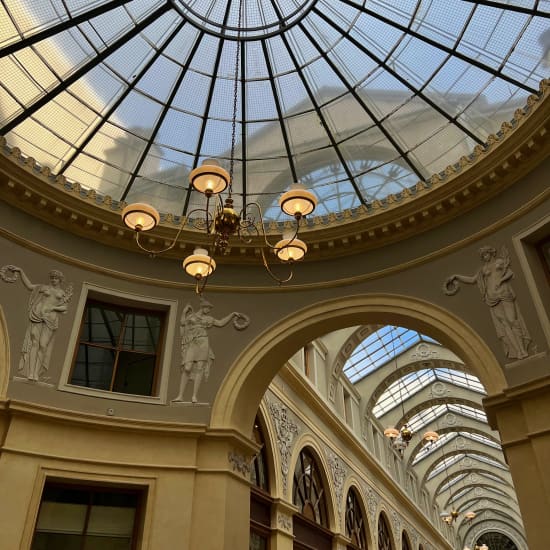
From Café Charlot, walk west toward Galerie Vivienne, passing through the quieter streets around Rue Vieille-du-Temple and Rue des Petits-Champs; allow 20–25 minutes. Spend about 45 minutes admiring the mosaic floors, glass roof, and bookshops of this elegant 19th-century passage—entry is free, though individual shops keep their own hours. Finish at the Palais Garnier, about a 10-minute walk away, arriving in the late afternoon when the grand staircase and foyer are beautifully lit. Allow 1½ hours and check the day’s closing time before setting out, as performances or rehearsals can restrict access; self-guided admission is typically around €15–€20. Once finished, return to your accommodation by Metro or taxi: from Opéra, Metro Line 9 is convenient toward central Paris, while a G7 taxi is easier with luggage and usually takes 20–35 minutes, depending on traffic.