Six-Day India to UK City Itinerary
Arrival and London highlights
- The British Museum — Bloomsbury; begin with world-history highlights, morning, ~2 hours.
- Dishoom King’s Cross — King’s Cross; enjoy a lively Indian breakfast or lunch, late morning, ~1 hour, approximately £15–25 per person.
- St Pancras Renaissance Hotel — King’s Cross; admire one of London’s most striking Victorian interiors, early afternoon, ~30 minutes.
- The London Eye — South Bank; take in panoramic city views after settling in, afternoon, ~1 hour.
- Tate Modern — Bankside; explore modern art and the Thames-facing Turbine Hall, late afternoon, ~1.5 hours.
- Borough Market — Southwark; sample dinner from one of London’s premier food markets, evening, ~1–1.5 hours, approximately £15–30 per person.
Morning
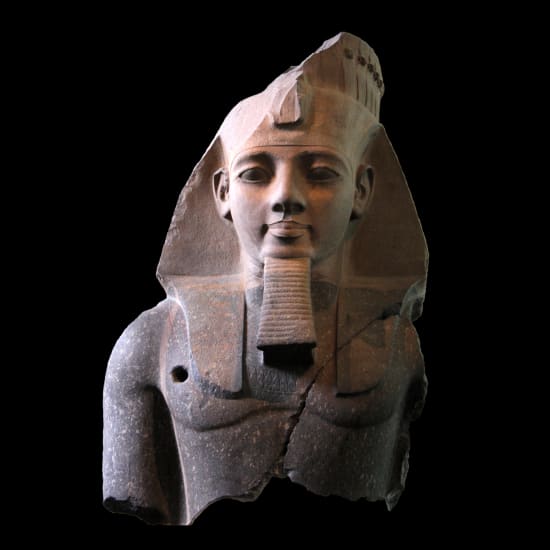
Start at The British Museum in Bloomsbury when it opens—typically around 10:00 AM, though check the official schedule before travelling. Allow about two hours for the highlights, especially the Great Court, Egyptian galleries, and Rosetta Stone. Entry is free, but some exhibitions require tickets; booking a timed free-entry slot is sensible. From central London, use Russell Square or Holborn Underground stations. Afterward, walk or take the Piccadilly or Hammersmith & City/Circle line toward King’s Cross—roughly 15–25 minutes depending on the route.
Have a late breakfast or early lunch at Dishoom King’s Cross, near Granary Square, allowing about an hour and roughly £15–25 per person. The bacon naan roll is a popular breakfast choice, while the lunch menu works well if you arrive later; queues are common, so joining the virtual queue or arriving outside peak times helps. Then walk to the St Pancras Renaissance Hotel for around 30 minutes. Enter through the public areas to admire the grand Victorian Gothic staircase, soaring ceilings, and richly restored details—one of the city’s best atmospheric interiors, and free to view.
Afternoon and Evening
From St Pancras, take the Underground from King’s Cross St Pancras to Waterloo, or use a taxi if you are carrying luggage; allow about 20–30 minutes. Continue to The London Eye on South Bank for your prebooked afternoon rotation, which lasts roughly 30 minutes, though allow an hour for security and boarding. Timed tickets are strongly recommended, and visibility is usually better earlier in the afternoon than near sunset. Afterwards, stroll west along the river to Tate Modern—about 20 minutes via the Millennium Bridge—and spend around 1½ hours in the galleries and Turbine Hall. General admission is free, with paid special exhibitions; check closing time, usually around 6:00 PM, before setting out. Finish at Borough Market, a short walk from Tate Modern, for dinner among the evening food stalls. Most traders are best visited during daytime and early evening, so aim to arrive by about 6:00–7:00 PM; budget £15–30 per person and carry a card, though a few stalls may have limited availability late in the day.
Historic London
- Tower of London — Tower Hill; tour the fortress, Crown Jewels, and medieval history, morning, ~2.5 hours.
- St Katharine Docks — Tower Hill; take a relaxed marina walk with waterside cafés, midday, ~45 minutes.
- Leadenhall Market — City of London; see an ornate Victorian market and stop for lunch, early afternoon, ~1 hour, approximately £15–25 per person.
- St Paul’s Cathedral — City of London; visit the grand cathedral and climb to the dome galleries, afternoon, ~2 hours.
- Millennium Bridge — Bankside; cross the Thames for excellent views toward St Paul’s, late afternoon, ~30 minutes.
- The Churchill Arms — Kensington; finish with a historic pub dinner in famously floral surroundings, evening, ~1.5 hours, approximately £20–35 per person.
Morning
Start at Tower of London when it opens—usually around 10:00 AM, though opening times can vary. Allow roughly 2½ hours for the fortress walls, medieval exhibits, and especially the Crown Jewels; go straight there first to avoid the longest queues. Tickets are commonly around £35–£40 for adults online, and the nearest Tube station is Tower Hill. Wear comfortable shoes: the complex is larger and more uneven underfoot than it looks from outside.
Midday and Lunch
Walk five minutes to St Katharine Docks, a tucked-away marina where the pace changes immediately. Spend about 45 minutes circling the water, browsing boats and waterside cafés, then continue west for 15–20 minutes through the City to Leadenhall Market. Its ornate Victorian roof is worth seeing even if you are not shopping; allow an hour for lunch, budgeting approximately £15–£25 per person. For a reliable sit-down option, Cheese at Leadenhall is convenient, while The Lamb Tavern gives you a more traditional market setting.
Afternoon and Evening
From Leadenhall Market, walk around 15 minutes to St Paul’s Cathedral. Reserve a timed admission if possible—adult tickets are generally about £25–£30—and allow two hours for the cathedral interior, Whispering Gallery, and dome galleries; the climb is substantial, so take your time. Afterwards, stroll down to Millennium Bridge in roughly 10 minutes and linger for the classic view back toward the dome, particularly as the late-afternoon light softens. Finish with dinner at The Churchill Arms in Kensington, reached in about 25–30 minutes by Tube from St Paul’s via the District line or Central line connections. This famously flower-covered pub is lively and popular, so arrive around 6:30–7:00 PM or book ahead; expect approximately £20–£35 per person, and allow about 1½ hours.
Oxford heritage day
- Oxford Railway Station to Oxford city centre — Oxford; travel by train from London Paddington, departing around 8:00 AM, ~1 hour, then walk or take a short taxi to the centre.
- Ashmolean Museum — City Centre; explore major art and archaeology collections, morning, ~2 hours.
- Covered Market — City Centre; browse historic stalls and choose a casual lunch, midday, ~1 hour, approximately £10–20 per person.
- Bodleian Library — City Centre; tour one of Oxford’s most important historic academic libraries, afternoon, ~1.5 hours.
- Christ Church — City Centre; see the college, cathedral, and dining hall associated with Oxford’s traditions, mid-afternoon, ~1.5 hours.
- The Turf Tavern — Holywell; enjoy a characterful pub meal down a historic lane, evening, ~1.5 hours, approximately £20–35 per person.
Morning
After arriving at Oxford Railway Station from London, allow about 15–20 minutes to reach the centre: it is a straightforward walk along Park End Street and Worcester Street, or a short taxi ride if you have luggage. Begin at the Ashmolean Museum, ideally around 10:00 AM; entry to the permanent collection is free, while special exhibitions usually cost extra. Give yourself roughly two hours for the Egyptian, Greek, Roman, and Western art galleries, but do not try to see everything—the museum is large enough to reward a focused visit.
Lunch and Afternoon
Walk a few minutes through the centre to the Covered Market, Oxford’s historic market hall. Browse the independent food stalls and small shops, then choose a casual lunch—expect about £10–20 per person. After eating, continue on foot via Catte Street to the Bodleian Library. Timed guided tours are the best way to see interiors such as the Divinity School, and typically last 1–1½ hours; book ahead, as Sunday availability can be limited. From there, walk south to Christ Church, allowing around 1½ hours for the college, cathedral, and famous dining hall. Check the official schedule before setting out, since college rooms may close or have restricted access during services or special events.
Evening
Finish with a relaxed walk through Holywell to The Turf Tavern, reached down a narrow, atmospheric lane near Bath Place. This is one of Oxford’s most characterful pubs, so expect uneven paving and limited mobile signal—part of its charm. A pub dinner with a drink generally comes to £20–35 per person; arriving a little before the main dinner rush gives you a better chance of finding a table. From the pub, the city centre and railway station are roughly a 15–20-minute walk, while a taxi is more convenient if you are returning to London that night.
Bath and Georgian architecture
- Roman Baths — City Centre; visit Bath’s exceptionally preserved ancient bathing complex, morning, ~1.5 hours.
- Bath Abbey — City Centre; admire the fan-vaulted interior beside the Roman Baths, late morning, ~45 minutes.
- Sally Lunn’s Historic Eating House — City Centre; try Bath’s famous bun in one of the city’s oldest houses, midday, ~1 hour, approximately £15–30 per person.
- The Royal Crescent — Upper Town; see Bath’s defining Georgian terrace and surrounding lawn, afternoon, ~45 minutes.
- The Circus — Upper Town; admire John Wood’s elegant circular Georgian design, mid-afternoon, ~30 minutes.
- Prior Park Landscape Garden — South Bath; stroll through landscaped grounds to the Palladian bridge, late afternoon, ~1.5 hours.
Morning
Arrive at Bath Spa station in the late morning and walk into the compact city centre—about 10 minutes via Manvers Street and Pulteney Bridge. Begin at the Roman Baths, allowing around 1½ hours for the steaming Great Bath, temple remains, and excellent museum displays. Admission is usually around £28–£30 for adults, and timed tickets are worthwhile; September can still be busy. Next door, spend about 45 minutes in Bath Abbey, whose fan-vaulted ceiling is best appreciated from the centre of the nave. Entry is generally free with a suggested donation, although special services or events may affect access.
Lunch
Have lunch at Sally Lunn’s Historic Eating House, one of the oldest buildings in Bath, just a short walk from the Abbey. Try the substantial Bath bun—particularly good toasted and served with savoury toppings—or choose a lighter cream tea if you prefer. Allow an hour and expect roughly £15–£30 per person; queues are possible, so an early lunch around noon is sensible. Afterwards, wander briefly through the surrounding lanes rather than rushing straight on—the stone façades and small independent shops around North Parade are part of Bath’s charm.
Afternoon Exploring
Walk uphill through Gay Street and Queen Square to The Circus, then continue a few minutes to The Royal Crescent. See The Circus first, where the curved Georgian houses and central plane trees make a particularly elegant urban composition, then spend around 45 minutes at The Royal Crescent, including a stroll across the broad lawn and a look at the terrace from the side. The walk is about 15 minutes uphill in total; comfortable shoes help, and the best photographs of the crescent are from the eastern end looking across the grass.
Late Afternoon
Take a taxi from The Royal Crescent to Prior Park Landscape Garden—roughly 10 minutes and usually easier than relying on infrequent buses—or walk downhill and onward if you want a longer excursion. Allow 1½ hours for the landscaped paths, valley views, and Palladian bridge. Entry is commonly around £10–£12, with seasonal closing times often earlier than the city’s attractions, so check the National Trust schedule before setting out. Return by taxi or local bus to Bath Spa station or your accommodation; leave extra time for the steep paths and September’s shorter late-afternoon light.
Bristol waterfront and culture
- Bristol Harbour — Harbourside; begin with a waterside walk among historic docks and colorful buildings, morning, ~1 hour.
- M Shed — Harbourside; learn Bristol’s social and industrial history through local collections, late morning, ~1.5 hours.
- Harbourside food stalls and cafés — Harbourside; have a relaxed waterfront lunch, midday, ~1 hour, approximately £12–25 per person.
- SS Great Britain — Great Western Dockyard; tour Brunel’s pioneering steamship and dockyard exhibits, afternoon, ~2 hours.
- Clifton Suspension Bridge — Clifton; enjoy Bristol’s iconic gorge views and engineering landmark, late afternoon, ~1 hour.
- The Clifton Sausage — Clifton; finish with a well-regarded British dinner near the bridge, evening, ~1.5 hours, approximately £25–40 per person.
Morning
From Bristol Temple Meads, take the number 8 bus or a taxi toward Bristol Harbour—allow roughly 15–20 minutes—or walk in about 25 minutes if you are travelling light. Begin with an easy waterside stroll around the Harbourside, passing the former docks, colourful façades, and boats near Prince Street Bridge. Morning is the best time for this: it is quieter, and the reflections on the water are particularly good for photographs. Allow about an hour before continuing along the waterfront to M Shed, which usually opens around 10:00 AM; entry is free, though donations are welcome. Its local collections cover Bristol’s working docks, transport, industry, and everyday life, and 1–1½ hours is enough for a relaxed visit.
Lunch and Afternoon Exploring
Stay in the Harbourside for lunch at the Harbourside food stalls and cafés. Options change, but you will find casual choices around Millennium Promenade and Pero’s Bridge, generally costing about £12–25 per person. Leave an hour rather than rushing—this is a good place to sit outside if the weather is dry. Afterwards, walk roughly 10 minutes across the harbour to the SS Great Britain at Great Western Dockyard. Set aside about two hours for the ship, dry dock, and dockyard exhibits; tickets are typically around £22–30 online, with advance booking often cheaper. From there, take a taxi or local bus toward Clifton—allow 20–30 minutes depending on traffic—rather than attempting the uphill walk with tired legs.
Evening
Spend the late afternoon at Clifton Suspension Bridge, approaching from the Leigh Woods side or the Clifton viewpoint for the classic gorge panorama. The bridge itself is free to cross, although the small visitor centre may have seasonal hours; allow about an hour and bring a light layer, as it can be breezy above the Avon Gorge. Finish at The Clifton Sausage, a short walk from the bridge, for modern British cooking in a relaxed neighbourhood setting. Dinner is usually around £25–40 per person before drinks, and booking ahead is sensible. Afterward, buses and taxis run back toward central Bristol and Bristol Temple Meads, though a taxi is the easiest option later in the evening.
Return to London
- Bristol Temple Meads to London Paddington — Bristol to London; take a morning train, allowing roughly 1 hour 30 minutes, then leave luggage at your accommodation or station facilities.
- Kensington Gardens — Kensington; enjoy a gentle final London walk through palace gardens, late morning, ~1 hour.
- Victoria and Albert Museum — South Kensington; explore world-class design, art, and decorative collections, midday, ~2 hours.
- Harrods Food Halls — Knightsbridge; browse an iconic department-store food destination and have lunch, afternoon, ~1 hour, approximately £20–40 per person.
- Hyde Park — Westminster; finish with a spacious central-London stroll around the Serpentine, late afternoon, ~1 hour.
Morning
Take a morning Great Western Railway train from Bristol Temple Meads to London Paddington, ideally around 8:00 AM, arriving at approximately 9:30 AM. Advance fares are often around £35–£80; reserve a seat if possible, and leave luggage at your accommodation or the left-luggage facilities at Paddington Station. From there, take the Circle or District line to High Street Kensington, then walk a few minutes into Kensington Gardens. Spend about an hour among the lawns, tree-lined paths, and ornamental gardens around Kensington Palace—a particularly pleasant final London walk before the museums, though palace interiors are not part of this stop.
Midday and Lunch
Walk south through South Kensington to the Victoria and Albert Museum, about 15 minutes via Exhibition Road. Allow roughly two hours for its design, fashion, sculpture, and decorative-arts collections; general admission is free, although special exhibitions usually require tickets, and opening is generally from 10:00 AM. Around lunchtime, continue east to Harrods Food Halls in Knightsbridge, a 15-minute walk or a short ride on the Piccadilly line. Browse the beautifully presented counters and choose a casual meal—budget approximately £20–40 per person. It is busy at midday, so eating slightly before or after the peak lunch period makes finding a seat easier.
Afternoon
Finish with a relaxed walk in Hyde Park, entering from the Knightsbridge side and heading toward the Serpentine. Allow about an hour to stroll beside the water and through the open parkland; if you still have time before checking in or departing, Serpentine Bar & Kitchen is a convenient place for a final coffee or drink. The park is free and open from early morning until evening, but check the closing time for your date. From Hyde Park Corner or Lancaster Gate, the Underground makes it straightforward to reach your accommodation or return to Paddington for onward travel.