Scenic Paris, Belgium and Amsterdam Route
Scenic Paris
- Le Marais stroll — Le Marais; morning, ~1.5 hours. Wander medieval lanes, Place des Vosges, and elegant boutiques.
- Marché des Enfants Rouges — Haut Marais; late morning, ~1 hour. Sample diverse stalls at Paris’s oldest covered market, with lunch around €15–25 per person.
- Musée d’Orsay — Saint-Germain/7th arrondissement; afternoon, ~2.5 hours. See Impressionist masterpieces inside the striking former railway station.
- Café de Flore — Saint-Germain-des-Prés; late afternoon, ~1 hour. Enjoy a classic Paris café stop, typically €8–20 per person.
- Seine riverside and Pont Alexandre III — Invalides; evening, ~1.5 hours. Finish with scenic golden-hour views toward the Eiffel Tower.
Morning
Begin in Le Marais around 9:00, when the medieval lanes are still pleasantly quiet. Walk from Rue des Rosiers toward Place des Vosges, taking time for the courtyards, independent boutiques, and elegant hôtels particuliers around Rue des Francs-Bourgeois. Allow about 1½ hours; the neighborhood is best explored on foot, and most shops open closer to 10:00. From Place des Vosges, walk north through the Haut Marais to Marché des Enfants Rouges, Paris’s oldest covered market. It generally opens from late morning, though individual stalls vary, so arrive around 11:30 for the liveliest atmosphere. Pick from Moroccan, Japanese, French, or crêpe stalls and budget roughly €15–25 per person; seating is communal and can fill quickly.
Afternoon
After lunch, take Metro line 8 from Filles du Calvaire toward Invalides, changing as needed for Musée d’Orsay, or walk about 30 minutes if you want to cross the river at an easy pace. Spend around 2½ hours inside the former Gare d’Orsay, especially on the upper level for Monet, Renoir, Degas, and Van Gogh. Check the museum’s official schedule before setting out—opening days and late hours can change—and reserve a timed ticket if available; admission is usually around €16–18. Afterwards, stroll through Saint-Germain-des-Prés to Café de Flore for an unhurried one-hour pause. Expect classic café prices of roughly €8–20 per person, and choose an outdoor table if the weather is good, though service is usually faster inside.
Evening
Walk or take Metro line 12 from Saint-Germain-des-Prés toward Invalides for the final stretch along the Seine. Follow the riverside toward Pont Alexandre III, one of Paris’s best viewpoints at golden hour, with the domes of Les Invalides behind you and the Eiffel Tower framed downriver. Allow about 1½ hours to linger on the quays and bridges; sunset in mid-September is usually around 20:00, but check the exact time and arrive 30–45 minutes beforehand. Bring water and comfortable shoes, and avoid rushing to a formal dinner here—the riverside is particularly enjoyable with a small picnic from a bakery or market.
Historic Brussels
- Grand-Place — Historic center; morning, ~1 hour. Admire Brussels’ ornate guildhalls and Gothic town hall.
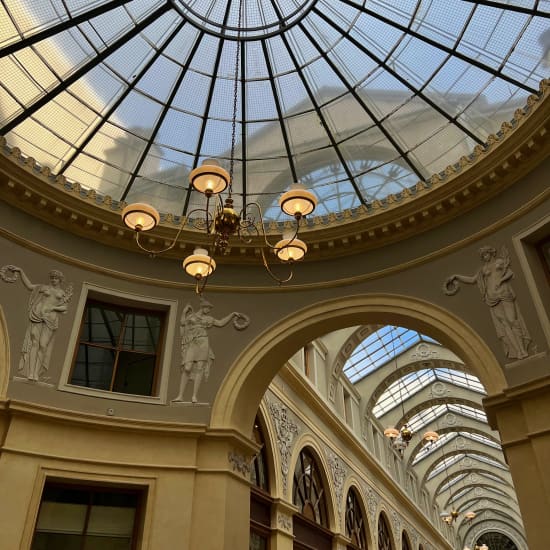
- Galeries Royales Saint-Hubert — Historic center; late morning, ~1 hour. Browse the elegant 19th-century glass arcades and chocolatiers.
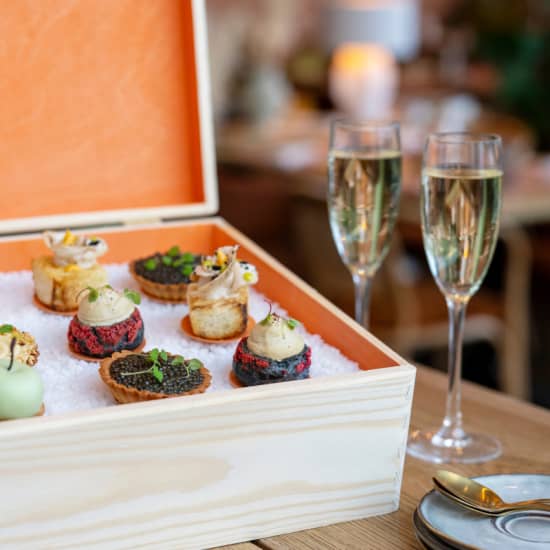
- Maison Dandoy — Historic center; lunch, ~1 hour. Try Belgian waffles and light dishes for approximately €15–25 per person.
- Manneken Pis — Îlot Sacré; early afternoon, ~30 minutes. See Brussels’ famous small bronze fountain statue.
- Mont des Arts and Kunstberg — Central Brussels; afternoon, ~1 hour. Take in one of the city’s best elevated views.
- Atomium — Heysel; late afternoon, ~2 hours. Explore Brussels’ instantly recognizable landmark and panoramic spheres.
Morning
After arriving at Brussels-Midi, take the metro to De Brouckère or walk roughly 20 minutes into the historic center. Start at Grand-Place, ideally around 9:30, before the square becomes busy with tour groups. Give yourself about an hour to admire the ornate guildhalls and Gothic Brussels Town Hall; the square is especially atmospheric in the soft morning light. From there, walk a few minutes through Galeries Royales Saint-Hubert, the elegant 19th-century glass-covered arcades. Browse the chocolate shops and window displays, but note that prices here are premium—save larger purchases for later if you prefer.
Lunch and Afternoon
For lunch, settle into Maison Dandoy near the arcades for a Brussels waffle and a light dish, budgeting approximately €15–25 per person. The traditional Brussels waffle is lighter and rectangular, while the richer Liège waffle is denser and caramelized; both are worth trying. Afterward, walk about five minutes through the Îlot Sacré to Manneken Pis. The statue itself takes only 20–30 minutes, but the surrounding lanes are good for a relaxed wander and a quick look at the changing costume displays. Continue uphill toward Mont des Arts and Kunstberg, around 15 minutes on foot, for a broad view across central Brussels toward the lower town. Allow an hour here, perhaps with a coffee from Le Perchoir, and keep in mind that the gardens are open-access but museum interiors require separate tickets.
Late Afternoon and Evening
From Central Station, take metro line 1 toward Gare de l’Ouest and change as needed for Heysel—the journey to Atomium takes roughly 25–30 minutes. Arrive by about 16:00 for two hours exploring the landmark’s exhibition spaces and panoramic spheres; check the official schedule before setting out, as closing times vary by season and the final lift entry is earlier than closing. Admission is commonly around €16–18 for adults. Afterward, return by metro toward the center for dinner, or eat near Place Sainte-Catherine if you want a lively area with seafood restaurants and Belgian beer bars. Keep a little flexibility: Brussels’ historic core is compact, but the trip out to Atomium makes this a full day, so there is no need to add another major attraction.
Canals and scenery in Amsterdam
- Amsterdam Centraal to Jordaan canal walk — Jordaan; morning, ~1.5 hours. Follow picturesque canals past bridges, courtyards, and narrow townhouses.
- Anne Frank House — Jordaan; late morning, ~1.5 hours. Visit the preserved hiding place and thoughtfully presented historical exhibition.
- Albert Cuyp Market — De Pijp; lunch, ~1.5 hours. Sample Dutch street food and browse one of Amsterdam’s best-known markets, usually €10–20 per person.
- Rijksmuseum — Museumplein; afternoon, ~2.5 hours. See Dutch masterpieces by Rembrandt, Vermeer, and other Golden Age artists.
- Vondelpark — Oud-Zuid; late afternoon, ~1 hour. Relax among lawns, ponds, and leafy paths after museum time.
- Amsterdam canal cruise — Central canal belt; evening, ~1.5 hours. End with illuminated bridges and waterside architecture from the city’s defining viewpoint.
Morning
After arriving at Amsterdam Centraal, walk west into the Jordaan for a relaxed introduction to the city. Follow the canals along Brouwersgracht, Prinsengracht, and Leliegracht, crossing the small bridges and looking into the quiet hofjes courtyards. Allow about 1½ hours, with a coffee stop at Café ’t Molenpad beside the canal. Continue to the Anne Frank House for your timed late-morning entry; tickets are only sold online for a specific time, and the visit takes roughly 1½ hours. Arrive 15 minutes early—there is little flexibility if you miss your slot.
Lunch and Afternoon
From the Jordaan, take tram 7 or 17 toward De Pijp—about 20 minutes—or walk south in around 30 minutes. Spend lunch at Albert Cuyp Market, generally open Monday–Saturday from about 9:30 to 17:00; try a warm stroopwafel, herring, or fries, and allow €10–20 per person. After browsing, walk or take tram 12 toward Museumplein for the Rijksmuseum. Reserve a timed ticket in advance, especially for September weekends; plan around 2½ hours for the Gallery of Honour and the major Rembrandt and Vermeer works. Entry is approximately €25 for adults, with the museum usually open daily until 17:00.
Evening
Take a short walk through Vondelpark after the museum, entering near Paulus Potterstraat and following the ponds and leafy paths toward the park’s central lawns. An hour here gives the day some breathing room before your final activity. For the evening Amsterdam canal cruise, return toward the central canal belt—most operators depart near Stadhouderskade, Leidsekade, or Centraal Station. Choose a departure around 19:00–20:00, when the bridges begin to glow; cruises last about 1½ hours and usually cost €20–35. Bring a light layer, as the open boats can feel cool even in September, and arrive 15–20 minutes early for boarding.
No packing list attached yet.