Uruguay and Buenos Aires Birthday Celebration Itinerary
Arrival and waterfront evening in Montevideo
- Mercado del Puerto — Ciudad Vieja; enjoy a first taste of Uruguayan parrilla and browse the historic market, afternoon or early evening, ~1.5 hours; lunch/dinner approximately US$25–45 per person.
- Rambla de Montevideo — Ciudad Vieja to Centro; take a relaxed waterfront walk as the city turns golden, early evening, ~1.5 hours.
- Plaza Independencia — Centro; see the city’s central square and José Artigas monument, evening, ~30 minutes.
- El Fogón — Centro; settle in for classic Uruguayan dishes in a long-established restaurant, dinner, ~1.5 hours; approximately US$25–45 per person.
Afternoon Arrival and Mercado del Puerto
Make Mercado del Puerto your first stop after checking in. In Ciudad Vieja, the market is at its liveliest from lunchtime through late afternoon, though some stalls begin winding down around 5–6pm; allow about 1½ hours. This is the place for your first Uruguayan parrilla: look for cuts such as vacío, entraña, or a mixed grill cooked over the open fire. Expect roughly US$25–45 per person with drinks. The market is atmospheric and historic, but prices are generally higher than neighborhood parrillas, so check the menu before sitting down. From central hotels, it is an easy walk or a short taxi/rideshare ride.
Early Evening Along the Rambla
After eating, walk south from Mercado del Puerto through Ciudad Vieja and toward the Rambla de Montevideo, joining the waterfront around the old port and continuing toward Centro. Give yourselves about 1½ hours and keep the pace unhurried—the best part is watching locals gather along the seawall with mate as the Río de la Plata turns gold. Wear comfortable shoes and bring a light layer; even in January, the breeze off the water can be surprisingly cool. If the full walk feels too long after arrival, walk a shorter stretch and use a taxi or rideshare for the rest.
Evening: Plaza Independencia and Dinner at El Fogón
Continue into Centro for about 30 minutes at Plaza Independencia, Montevideo’s grand central square. Pause by the monument and mausoleum of José Artigas, then look toward the entrance to Ciudad Vieja and the distinctive Palacio Salvo. The square is especially pleasant after sunset, when the traffic eases and the surrounding buildings are illuminated. Finish at El Fogón, a long-established restaurant a few blocks away, for classic Uruguayan cooking—grilled meats, milanesa, and local-style sides are dependable choices. Dinner generally runs about US$25–45 per person; reservations are sensible on a Friday evening, and confirm the latest seating time when booking, since January hours can vary.
Historic Montevideo and Ciudad Vieja
- Museo Andes 1972 — Ciudad Vieja; visit this moving museum about the Andes survivors, morning, ~1 hour.
- Peatonal Sarandí — Ciudad Vieja; stroll the pedestrian street through galleries, shops, and historic façades, late morning, ~45 minutes.
- Catedral Metropolitana de Montevideo — Plaza Matriz; admire the city’s principal colonial-era cathedral, midday, ~30 minutes.
- Museo Torres García — Ciudad Vieja; explore the work of Uruguay’s most influential modernist artist, early afternoon, ~1 hour.
- Café Brasilero — Ciudad Vieja; pause in Montevideo’s historic literary café for coffee and pastries, afternoon, ~45 minutes; approximately US$8–15 per person.
- Es Mercat — Ciudad Vieja; finish with a seafood-focused dinner in a lively central setting, evening, ~1.5 hours; approximately US$25–45 per person.
Morning
Start at Museo Andes 1972, a compact, deeply moving museum on Rincón dedicated to the 1972 Andes flight survivors. Allow about an hour; the displays are primarily in Spanish and English, and the museum generally opens around 10am, so check the schedule before setting out. From there, walk a few minutes to Peatonal Sarandí, Ciudad Vieja’s pedestrian spine. Take your time with the galleries, bookshops, and grand old façades rather than treating it as a straight passage—late morning is pleasant before the strongest summer heat.
Continue to Plaza Matriz and step into Catedral Metropolitana de Montevideo, the city’s principal colonial-era church. A 30-minute visit is enough to appreciate the cool interior, domes, chapels, and historic atmosphere; dress respectfully, and be aware that access can pause during services. The three stops are close enough to do entirely on foot, though wear comfortable shoes—the pavements around Ciudad Vieja can be uneven.
Afternoon and Evening
After lunch nearby, visit Museo Torres García, whose collection introduces the bold geometric language and distinctly Uruguayan vision of Joaquín Torres García. Plan on about an hour; opening days and hours can vary, so verify them that morning, with admission typically inexpensive. Then settle into Café Brasilero, one of Montevideo’s classic literary cafés, for coffee and a pastry—allow 45 minutes and roughly US$8–15 per person. It is a good place to slow down rather than add another attraction, especially in January when the afternoon heat makes a shaded break welcome.
Finish at Es Mercat, a lively seafood restaurant within easy walking distance in Ciudad Vieja. Reserve ahead for dinner, particularly on a Saturday, and expect around US$25–45 per person before drinks. Order fish or shellfish to share and keep the evening unhurried; if you are walking back after dark, stay on busier streets or use a taxi or rideshare rather than wandering through quieter blocks.
Colonia del Sacramento old town
- Ferry or bus from Montevideo to Colonia del Sacramento — Depart early, allowing roughly 2–3 hours door to door; arrive with comfortable walking shoes and minimal luggage.
- Portón de Campo — Barrio Histórico; enter the preserved old town through its historic gate, late morning, ~30 minutes.
- Calle de los Suspiros — Barrio Histórico; photograph one of Colonia’s most atmospheric cobbled lanes, late morning, ~30 minutes.
- Faro de Colonia del Sacramento — Barrio Histórico; climb for broad views over the old town and Río de la Plata, midday, ~45 minutes.
- Bastión del Carmen — Barrio Histórico; walk the old defensive walls and riverside ramparts, afternoon, ~1 hour.
- El Drugstore — Barrio Histórico; enjoy a relaxed lunch or early dinner amid colorful old-town surroundings, afternoon, ~1.5 hours; approximately US$20–35 per person.
Late Morning: Entering the Old Town
After arriving from Montevideo, leave larger bags at your hotel or luggage storage and head into Barrio Histórico on foot. Begin at Portón de Campo, the reconstructed city gate and wooden drawbridge, which makes a good orientation point for the preserved quarter; allow about 30 minutes to look around and get your bearings. From here, wander slowly along the cobbles to Calle de los Suspiros, one of the most atmospheric lanes in Colonia del Sacramento. The uneven stones and low colonial houses are best enjoyed unhurriedly, and the light is especially attractive before the midday sun becomes intense. Wear shoes with firm soles, and carry water—January afternoons can be very hot.
Midday: Lighthouse Views
Continue a short walk to the Faro de Colonia del Sacramento, where a modest admission fee—typically a few hundred Uruguayan pesos—gets you access to the narrow stairway and wide views across the old rooftops and Río de la Plata. The climb is worthwhile, though the steps are tight and can feel warm inside; check the day’s opening hours locally, as they can vary. Afterward, take a shaded pause in one of the small plazas or cafés nearby before continuing toward the waterfront defenses.
Afternoon: Ramparts and a Long Lunch
Spend the afternoon at Bastión del Carmen, walking the old defensive walls and riverside ramparts for roughly an hour. This is a quieter stretch of the historic quarter, with broad water views and good opportunities to slow the pace after the morning’s sightseeing. Finish at El Drugstore, a colorful, relaxed old-town restaurant where lunch can easily become an early dinner. Expect approximately US$20–35 per person for a meal, depending on drinks; confirm the kitchen hours when you arrive, since January service can follow a flexible schedule. Leave time afterward to browse the surrounding lanes at your own pace rather than trying to add another formal attraction.
Coastal escape in Punta del Este
- Bus or private transfer from Colonia del Sacramento to Punta del Este — Depart in the morning; allow roughly 4–5 hours, and arrange hotel drop-off or luggage storage on arrival.
- Puerto de Punta del Este — Peninsula; watch fishing boats, sea lions, and yacht traffic around the harbor, mid-afternoon, ~1 hour.
- Iglesia de la Candelaria — Peninsula; see Punta del Este’s distinctive seaside church near the harbor, mid-afternoon, ~30 minutes.
- Playa Brava and La Mano — Playa Brava; take the iconic beach sculpture photo and enjoy the Atlantic shore, late afternoon, ~1.5 hours.
- Guappa — Peninsula; have a stylish seafood dinner close to the waterfront, evening, ~1.5 hours; approximately US$30–55 per person.
Early Afternoon: Arrive and Settle In
Your bus from Colonia del Sacramento should bring you into Punta del Este around early afternoon, depending on the Montevideo connection. Have your hotel hold your luggage if the room is not ready, then take a taxi or rideshare toward the peninsula rather than trying to walk with bags. Punta del Este is spread out, and a short ride is usually worth it in January heat. Grab water before exploring; the summer sun here is strong, especially on the exposed waterfront.
Mid-Afternoon: Harbor and Church
Begin at Puerto de Punta del Este, where fishing boats, yachts, and often a few sea lions create the most atmospheric introduction to the resort town. Walk along the harbor promenade for about an hour, watching the fish market activity and the boats coming in. From here, it is only a few minutes on foot to Iglesia de la Candelaria, the small blue-and-white seaside church near the harbor. Allow around 30 minutes to look inside and enjoy the quiet contrast with the busy marina; opening hours can be irregular, so treat it as a brief exterior stop if the doors are closed.
Late Afternoon: Playa Brava
A 15–20-minute taxi ride, or roughly a 25-minute walk along the peninsula’s streets, brings you to Playa Brava. Head straight for La Mano, the famous fingers emerging from the sand, and expect a queue for the classic photograph in January. Afterward, stay for a while rather than rushing off: the broad Atlantic beach is ideal for sitting near the promenade, and late afternoon brings softer light and a cooler breeze. Swimming conditions can be rough, so follow the lifeguard flags and keep valuables minimal.
Evening: Seafood at Guappa
Return by taxi to the peninsula for dinner at Guappa, a stylish, convenient choice close to the waterfront. Reserve ahead if possible—January is peak season, and dinner service commonly begins around 8pm, with Uruguayans eating later still. Expect approximately US$30–55 per person, depending on seafood, wine, and whether you add starters. Ask for a table outside or near the windows, but bring a light layer for the breeze; after dinner, the harbor is pleasant for an unhurried walk.
Birthday celebration in Punta del Este
- Casapueblo — Punta Ballena; tour the dramatic cliffside home and gallery created by Carlos Páez Vilaró, late morning, ~2 hours.
- Playa Portezuelo — Punta Ballena; swim or relax on the calmer bay after visiting Casapueblo, early afternoon, ~2 hours.
- Museo Ralli — Beverly Hills; browse its free collection of Latin American and European art, late afternoon, ~1 hour.
- Enjoy Punta del Este — Peninsula; reserve a special birthday lunch or dinner with ocean views, evening, ~2 hours; approximately US$45–80 per person.
- Playa Mansa sunset — Peninsula; toast the birthday beside the sheltered bay as the sun sets, evening, ~1 hour.
Late Morning: Casapueblo
Make Casapueblo the centerpiece of the birthday day. From central Punta del Este, allow roughly 20–30 minutes by taxi or rideshare to Punta Ballena; driving is straightforward via Rambla Claudio Williman, but arrive earlier if you want easier parking. The museum and gallery typically open from late morning into the evening, with admission usually around UYU 500–800—confirm the 2027 price and hours before leaving. Give yourselves about two hours to explore Carlos Páez Vilaró’s whitewashed, wave-shaped home, the galleries, and the cliffside terraces. The poetically timed sunset ceremony is famous, but you do not need to stay for it today; the building is quieter earlier and far more comfortable to explore.
Early Afternoon: Playa Portezuelo
Continue a few minutes west to Playa Portezuelo, one of the calmer beaches along the bay. Bring water, towels, sunscreen, and perhaps a picnic, since services can be seasonal and limited in January. The sheltered water is generally gentler than the open Atlantic beaches, making this a relaxed two-hour birthday pause rather than another sightseeing stop. Taxis may be less readily available here than in the peninsula, so arrange a pickup in advance or use a rideshare app while you still have a reliable signal.
Late Afternoon and Evening: Museo Ralli, Birthday Dinner, and Sunset
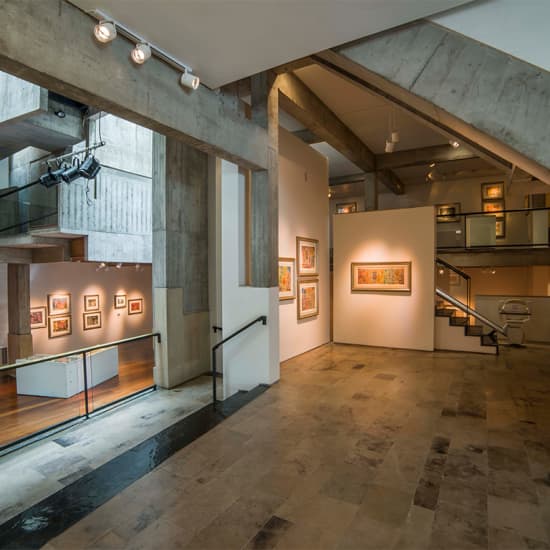
Return toward the Beverly Hills neighborhood for Museo Ralli, a peaceful, free museum usually open in the afternoon on selected days; check its current schedule carefully, as opening days can vary by season. Allow about an hour for the Latin American and European art, then head back to the peninsula for your reserved birthday meal at Enjoy Punta del Este. Request an ocean-facing table and budget approximately US$45–80 per person, excluding drinks; reservations are especially important in January. Finish with a celebratory drink beside Playa Mansa, where the sheltered bay catches the sunset beautifully. Walk along the waterfront after dinner if you still have energy, but bring a light layer—the breeze can pick up even on a warm summer evening.
Buenos Aires arrival and Puerto Madero
- Ferry from Colonia del Sacramento to Buenos Aires — Depart in the morning; allow roughly 1 hour on the ferry plus immigration and hotel-transfer time.
- Galerías Pacífico — Microcentro; admire the grand Beaux-Arts shopping arcade and its domed murals, early afternoon, ~1 hour.
- Puente de la Mujer — Puerto Madero; walk Buenos Aires’ most recognizable modern bridge, late afternoon, ~30 minutes.
- Reserva Ecológica Costanera Sur — Puerto Madero; take an easy nature walk through wetlands beside the city, late afternoon, ~1.5 hours.
- Cabaña Las Lilas — Puerto Madero; celebrate your arrival with high-quality Argentine beef by the docks, dinner, ~2 hours; approximately US$45–80 per person.
Morning Arrival and Check-in
After your morning Colonia del Sacramento–Buenos Aires ferry, allow time for immigration, baggage, and the transfer into the city; even with a smooth crossing, you may not reach your hotel until late morning or around midday. Leave your bags with reception if the room is not ready, then head toward Microcentro by taxi or rideshare. Buenos Aires traffic can be slow around lunchtime, so a car is usually easier than navigating with luggage. Keep some Argentine pesos or a card handy for small expenses, and confirm your ferry operator’s arrival terminal before booking the hotel transfer.
Early Afternoon: Galerías Pacífico
Once settled, make Galerías Pacífico your first proper stop. This grand shopping arcade on Florida and Córdoba is worth visiting even if you are not shopping: look up at the magnificent dome and murals, particularly the works by Argentine artists in the central rotunda. Allow about an hour, and take a short coffee break inside if needed. Shops generally open from late morning into the evening, though hours can vary on holidays; the arcade is air-conditioned, making it a welcome escape from January’s heat. From here, take a taxi or rideshare south toward Puerto Madero—roughly 10–15 minutes depending on traffic.
Late Afternoon: Puente de la Mujer and Reserva Ecológica Costanera Sur
Begin your Puerto Madero walk at Puente de la Mujer, the white, sail-like pedestrian bridge designed by Santiago Calatrava. Spend about 30 minutes enjoying the riverfront views, then continue east toward Reserva Ecológica Costanera Sur. The entrance is near Avenida Dr. Tristán Achával Rodríguez; it is free, but the reserve commonly closes before sunset and may have seasonal or weather-related schedule changes, so check on the day. Follow an easy marked trail through reeds and wetlands for around 1½ hours, carrying water, sunscreen, and mosquito repellent. January afternoons are hot, so stay on the shaded portions where possible and avoid pushing too far into the reserve if you want to reach dinner comfortably.
Evening: Dinner at Cabaña Las Lilas
Walk or take a short taxi ride back toward the waterfront for dinner at Cabaña Las Lilas, on Avenida Alicia Moreau de Justo. This is a polished first-night choice for a classic Argentine steak, with good-quality beef, attentive service, and outdoor tables overlooking the docks when the evening is pleasant. Reserve ahead—especially for a birthday trip—and expect approximately US$45–80 per person before drinks and tip. Order a shared cut if you would like to sample more than one style, and remember that dinner in Buenos Aires starts late by North American standards; booking around 8:30–9:00pm gives you time to enjoy the reserve without rushing.
San Telmo and La Boca
- Café La Poesía — San Telmo; start with coffee and breakfast in a classic neighborhood literary café, morning, ~1 hour; approximately US$8–15 per person.
- Mercado de San Telmo — San Telmo; browse food stalls, antiques, and local crafts in the historic market, late morning, ~1.5 hours.
- Plaza Dorrego — San Telmo; watch tango and street life in Buenos Aires’ oldest neighborhood square, midday, ~45 minutes.
- El Zanjón de Granados — San Telmo; tour the city’s remarkable underground tunnels and restored historic buildings, afternoon, ~1.5 hours.
- Caminito — La Boca; see the colorful street museum and tango-themed façades, late afternoon, ~1 hour; use taxis or rideshare and remain on the main tourist streets.
- Fundación Proa — La Boca; view contemporary art beside the river before dinner, late afternoon, ~1 hour.
Morning: San Telmo’s Café and Market
Start with breakfast at Café La Poesía, on Chile in San Telmo, a wonderfully old-fashioned literary café with tiled floors, tall windows, and a relaxed porteño rhythm. Arrive around 9:00am for coffee, medialunas, or a substantial breakfast; allow an hour, and expect roughly US$8–15 per person. Then wander through Mercado de San Telmo, entering from Defensa or Carlos Calvo. The market is best late in the morning, when antique stalls, food counters, and small craft shops are fully open; allow about 1½ hours. Check the day’s hours before leaving, as individual vendors vary, and keep a little cash for snacks and small purchases.
Midday and Afternoon: Old San Telmo Underground
Walk a few minutes to Plaza Dorrego, where the surrounding cobbled streets are ideal for an unhurried wander. Tango performances are most reliable on weekends, but there is usually some combination of musicians, dancers, and lively café tables around midday. Afterward, continue to El Zanjón de Granados for a guided tour of the tunnels and restored historic buildings beneath San Telmo. Tours generally last about 1½ hours and run at set times rather than continuously, so reserve ahead; admission is commonly around US$20–30 per person. Wear comfortable shoes—the passageways can be uneven and cool even in January.
Late Afternoon: La Boca by Taxi
Take a taxi or rideshare from San Telmo to Caminito in La Boca, usually 10–20 minutes depending on traffic. Visit in daylight, ideally before the late-afternoon crowds thin out, and stay on the main tourist streets around the colorful open-air museum; keep phones and bags secure, and avoid wandering toward quieter side streets. Allow about an hour for the painted façades, tango-themed displays, and photo stops. Finish at Fundación Proa, a short walk from Caminito, for contemporary art and a calmer riverfront setting. Its café and terrace are pleasant for a break; verify the exhibition schedule and closing time in advance, as museum hours can change. From there, take a taxi or rideshare back toward your hotel or dinner—La Boca is not an area to explore on foot after dark.
Recoleta and Palermo
- Recoleta Cemetery — Recoleta; explore ornate mausoleums and Eva Perón’s gravesite, morning, ~1.5 hours.
- Centro Cultural Recoleta — Recoleta; see rotating exhibitions in a former convent complex, late morning, ~1 hour.
- Floralis Genérica — Recoleta; photograph the giant steel flower in Plaza de las Naciones Unidas, midday, ~30 minutes.
- MALBA — Palermo; visit one of Latin America’s leading modern-art museums, early afternoon, ~2 hours.
- El Preferido de Palermo — Palermo Viejo; enjoy a polished final lunch of Argentine classics, afternoon, ~1.5 hours; approximately US$30–55 per person.
- Jardín Japonés — Palermo; end the trip with a peaceful garden walk and tea, late afternoon, ~1.5 hours.
Morning: Recoleta’s Grandeur
Begin around 9:30am at Recoleta Cemetery, when the light is softer and the paths are still relatively calm. Set aside about 1½ hours to wander among the elaborate mausoleums and find Eva Perón’s grave in the Duarte family vault. Admission is generally modest for international visitors, with payment often required by card or online; opening times can change, so check the official schedule shortly before you go. Wear comfortable shoes—the uneven stone paths are part of the experience, and January sun can be intense.
Walk a few minutes to Centro Cultural Recoleta, housed in a former convent beside the cemetery. Its galleries usually open late morning and admission is often free or inexpensive, though individual exhibitions may have different policies. After about an hour, continue toward Plaza de las Naciones Unidas—roughly a 20-minute walk or a short taxi ride—for Floralis Genérica. Allow 30 minutes to photograph the enormous stainless-steel flower and enjoy the shade around the plaza; the flower’s opening mechanism is not always operating, so treat it as a bonus rather than a certainty.
Afternoon: Modern Art and a Palermo Lunch
Take a taxi or rideshare from Floralis Genérica to MALBA in Palermo—usually 10–15 minutes, though midday traffic can stretch that. Spend about two hours with the museum’s strong collection of Latin American modern and contemporary art, including works by major Argentine and regional artists. Plan for roughly US$8–15 per person depending on the current ticket category; museum hours and weekly closing days are worth confirming online, especially in January.
For lunch, walk or take a short ride into Palermo Viejo for El Preferido de Palermo. This is a polished but genuinely Argentine choice for a final meal: order classics such as milanesa, empanadas, or house-made pasta, and expect approximately US$30–55 per person before drinks. Reservations are wise, particularly for a weekend or celebratory meal. Keep lunch unhurried—this is one of the better places in the neighborhood to linger rather than squeeze in another sight.
Late Afternoon: A Quiet Garden Finish
Finish at Jardín Japonés, reached from El Preferido de Palermo by a 10–15-minute taxi or rideshare, or a longer walk through Palermo’s leafy streets. Give yourselves about 1½ hours to cross the bridges, admire the ponds and maples, and stop for tea or a light sweet at the garden’s restaurant. Admission is usually inexpensive, and the garden commonly closes in the early evening, so arrive by around 4:30pm rather than leaving it too late. This is a lovely final pause after the city’s museums and monuments; afterward, return to your hotel by taxi or rideshare, especially if you are carrying purchases or traveling after dark.
No packing list attached yet.