One-Week Bavaria Road Trip from Strasbourg via Le Shuttle
Drive from Strasbourg to Munich
- Strasbourg–Munich drive via A5/A8 — Strasbourg to Munich; depart immediately around 4:00 PM, allowing roughly 4½–5½ hours plus stops. Arrive, check in, and use hotel or public parking rather than driving into central Munich.
- Augustiner-Keller — Maxvorstadt; enjoy a substantial Bavarian dinner after arrival, approximately €20–35 per person, around 8:30 PM.
Late Afternoon — Strasbourg to Munich
Leave Strasbourg around 4:00 PM via the A5 and A8, allowing roughly 4½–5½ hours with a fuel or coffee stop. The route is straightforward, but evening traffic around Karlsruhe, Stuttgart, and the Munich ring road can add time, so keep your dinner booking flexible. German motorways have no general car toll for private cars, though fuel stations are noticeably pricier than those away from the autobahn. On arrival, leave the car at your hotel or use a central garage such as Parkhaus Elisenhof or Parkgarage Stachus—Munich’s centre is much easier on foot and by tram than by car.
Evening — Bavarian Dinner
After checking in, head to Augustiner-Keller in Maxvorstadt, ideally by tram or S-Bahn rather than moving the car; from Hauptbahnhof, it is a short walk. The traditional beer garden may still be open in early September if the weather is good, while the historic indoor halls are a reliable fallback. Order a roast pork dish, schnitzel, or the house sausage platter with an Augustiner beer; budget about €20–35 per person, and expect the kitchen to be busiest around 8:30 PM. It is a large, lively place rather than an intimate restaurant, so allow a little patience for service after the long drive. After dinner, keep the evening simple and rest—tomorrow’s city sightseeing is best started on foot, with no need to use the car.
Munich city highlights
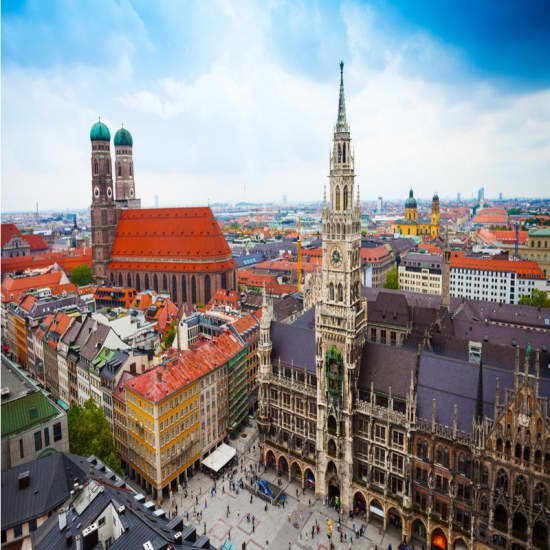
- Marienplatz and Neues Rathaus — Altstadt; see Munich’s central square and famous Glockenspiel, morning, ~45 minutes.
- Viktualienmarkt — Altstadt; browse food stalls and have a casual lunch, late morning, ~1 hour, approximately €10–20 per person.
- Munich Residenz — Altstadt; explore the richly decorated former royal palace, early afternoon, ~2 hours.
- English Garden and Eisbachwelle — Lehel/Schwabing; walk through Munich’s great urban park and watch the surfers, mid-afternoon, ~1½ hours.
- Hofbräuhaus München — Altstadt; experience a historic beer hall with dinner, evening, approximately €20–35 per person, ~1½ hours.
Morning
Start at Marienplatz while the old town is still relatively calm, ideally around 9:00 AM. Spend about 45 minutes taking in the square and the façade of the Neues Rathaus; the famous Glockenspiel performances are at 11:00 AM and noon, with an additional 5:00 PM performance in summer, so adjust your arrival if seeing it is a priority. From Munich Hauptbahnhof, it is a short walk or one stop on the S-Bahn to Marienplatz. Avoid driving into the centre today—parking is expensive and the pedestrianised streets make walking much easier.
Walk a few minutes south to Viktualienmarkt for a late breakfast or casual lunch. The stalls generally trade from morning until around 6:00 PM, though hours vary and many close on Sundays; try a sausage, roast chicken, cheese, or seasonal fruit from one of the vendors, with roughly €10–20 per person enough for a relaxed meal. This is a good place not to over-plan: browse the central market garden, pick up something sweet, and take your time among the regulars and office workers.
Afternoon
After lunch, stroll back through the Altstadt to the Munich Residenz, the former royal palace. Allow about two hours for the state rooms, Antiquarium, and treasury; the museum is usually open daily, but check the official schedule for the September date, as last admission is often well before closing. Tickets commonly cost around €10–15 depending on which sections you visit. From there, walk north through Lehel toward the English Garden—roughly 20 minutes—or use the U-Bahn to Universität and enter the park from its southern edge.
Follow the paths through the English Garden to the Eisbachwelle, where surfers ride the standing wave beside Prinzregentenstraße. The walk from the Residenz is around 25 minutes, and the park is free and open around the clock, though conditions at the wave can be fast and intimidating; watch from the bank and keep well clear of the water. Give yourself about 90 minutes here, perhaps pausing for a drink at a beer garden if the weather is warm, before walking back toward the centre or taking the U-Bahn from Lehel or Universität.
Evening
Finish at Hofbräuhaus München for dinner, a short walk back across the old town. It is touristy but still enjoyable for a first Munich evening: expect communal tables, live music, hearty Bavarian dishes, and beer served by the litre. Budget approximately €20–35 per person, and arrive before 7:00 PM if you want a better chance of finding a table without a long wait. Service can be brisk and the atmosphere loud, so treat it as a lively local institution rather than a quiet restaurant; after dinner, the surrounding pedestrian streets are pleasant for a final wander.
Alpine lakes around Garmisch-Partenkirchen
- Partnachklamm — Garmisch-Partenkirchen; hike through the dramatic gorge, morning, ~2 hours including the walk from the Olympic Ski Stadium.
- Olympiaschanze — Garmisch-Partenkirchen; view the historic ski-jump complex and mountain setting, late morning, ~45 minutes.
- Eibsee — Grainau; walk beside exceptionally clear alpine water beneath the Zugspitze, early afternoon, ~2 hours.
- See-Restaurant Alpenhof am Eibsee — Eibsee; have a lakeside meal, approximately €20–35 per person, early afternoon.
- Riessersee — Garmisch-Partenkirchen; take a quieter lakeside stroll with mountain views, late afternoon, ~1 hour.
Morning
Take an early direct regional train from Munich to Garmisch-Partenkirchen, aiming to arrive around 8:00–8:30 AM. From the station, walk or take the local bus toward the Olympic Ski Stadium; the entrance to Partnachklamm is about a 25-minute walk from there. Allow roughly two hours for the gorge, including the approach. The path follows the rushing Partnach through narrow limestone walls and tunnels, so wear shoes with good grip and bring a light waterproof layer—spray can make the walkway slippery. The gorge generally opens from around 8:00 AM, though hours can vary with weather, and entry is usually about €10. Afterward, spend 45 minutes at Olympiaschanze, the historic ski-jump complex just above the stadium. The steep landing hill and surrounding peaks are best appreciated from below; check the viewing access on arrival, as event or maintenance closures occasionally affect the upper areas.
Afternoon
From Olympiaschanze, return toward the station and take the local bus or a short taxi ride to Grainau and Eibsee; allow around 25–35 minutes depending on the connection. Walk the lakeshore path at Eibsee for about two hours, choosing the quieter western sections if the main beach area is busy. The water is remarkably clear, and on a calm day the reflections of the Zugspitze are superb. Have lunch at See-Restaurant Alpenhof am Eibsee, where a lakeside meal typically costs €20–35 per person; service can slow down at peak lunchtime, so a little patience is worthwhile. In September, the last buses can be less frequent than in midsummer—check the return connection before setting off around the lake.
Late Afternoon and Evening
Return to Garmisch-Partenkirchen and finish at Riessersee, reached by local bus or taxi from the town centre in roughly 10–15 minutes. The easy lakeside stroll takes about an hour and feels markedly quieter than Eibsee, with open views toward the surrounding mountains and a pleasant wooded shoreline. If you still have energy, linger for coffee or an early drink near the lake before heading back to Garmisch-Partenkirchen station; otherwise, return to your accommodation for dinner in the pedestrianised Garmisch centre. Keep the evening relaxed—today’s gorge walk and lake trails add up, and tomorrow’s early start for Neuschwanstein is best done rested.
Neuschwanstein and Füssen
- Marienbrücke — Hohenschwangau; arrive early for the classic Neuschwanstein viewpoint, morning, ~45 minutes.
- Neuschwanstein Castle — Hohenschwangau; tour Bavaria’s iconic fairytale castle with a timed ticket, late morning, ~2–2½ hours including the uphill journey.
- Hohenschwangau Castle — Hohenschwangau; visit the royal family’s older residence if tickets and energy allow, early afternoon, ~1½ hours.
- Alpsee — Hohenschwangau; enjoy an easy lakeside walk after the castle crowds, afternoon, ~1 hour.
- Gasthof Krone — Füssen old town; eat traditional Bavarian food in the pedestrian center, evening, approximately €20–35 per person, ~1½ hours.
Early Morning
From Garmisch-Partenkirchen, leave around 6:30 AM and follow the B17 toward Hohenschwangau, allowing roughly 1¼–1½ hours. The early start is worthwhile: park in the paid public car park at Hohenschwangau—cars cannot drive up to the castles—and walk toward the Marienbrücke first. The shuttle bus, when operating, may take you partway uphill, but it is weather-dependent and queues quickly; check the morning status locally. From the bridge, allow about 45 minutes for the classic view of Neuschwanstein Castle, ideally before the main tour groups arrive. The bridge can feel crowded and slippery in damp weather, so sturdy shoes are useful.
Late Morning and Lunch
Return toward the castle entrance for your timed Neuschwanstein Castle visit. Your ticket includes the guided interior tour, but not the journey uphill; on foot, the steep walk takes around 35–40 minutes, while the horse-drawn carriages stop below the castle and do not go all the way to the entrance. Allow 2–2½ hours in total, including the ascent and security queue. Buy tickets in advance through the official Hohenschwangau ticket centre or website—same-day availability is limited, and late arrivals can forfeit entry. Afterward, eat something simple near the village ticket centre before continuing; prices are tourist-oriented, so a quick snack is often more practical than a long sit-down meal.
Afternoon
If you still have the energy, visit Hohenschwangau Castle, the more intimate yellow residence where the young Ludwig II spent much of his childhood. It is a separate timed visit, so leave enough time between tickets for the walk back down from Neuschwanstein; the interior tour generally takes around 35–45 minutes, with the full stop lasting about 1½ hours. Then walk over to Alpsee for a quieter change of pace. The lakeside path near the village makes an easy one-hour stroll, with lovely views back toward the wooded foothills and castles. You do not need to complete the entire circuit—just follow the shore until the crowds thin, then return to the car park.
Evening
Drive the short distance into Füssen and leave the car at your accommodation or a public car park outside the pedestrian centre. For dinner, reserve a table at Gasthof Krone in the old town; its traditional Bavarian dishes and relaxed atmosphere make it a good finale after a busy castle day. Expect around €20–35 per person for a main meal and drink. After dinner, take an unhurried walk through Füssen’s narrow lanes and along Reichenstraße—the town is especially pleasant once the day-trippers have gone, and most central sights are within a few minutes on foot.
Bavarian countryside near Augsburg
- Wieskirche — Steingaden; admire the renowned Rococo pilgrimage church before heading north, morning, ~45 minutes.
- Augsburg Fuggerei — Jakobervorstadt, Augsburg; explore the world’s oldest existing social housing complex, early afternoon, ~1½ hours.
- Augsburg Town Hall and Goldener Saal — Rathausplatz; see one of Germany’s grandest historic civic interiors, mid-afternoon, ~1 hour.
- Perlach Tower — Rathausplatz; climb or view Augsburg’s historic central tower for an urban perspective, mid-afternoon, ~45 minutes.
- Ratskeller Augsburg — Rathausplatz; dine in a historic vaulted restaurant, approximately €20–35 per person, evening, ~1½ hours.
Morning
If you still have the car, make Wieskirche your first stop before heading north from the Füssen area: the drive to Steingaden takes roughly 25–30 minutes, and the church is best visited early, before tour groups arrive. Allow about 45 minutes to admire the luminous Rococo interior and the surrounding countryside. Entry is generally free, though donations are appreciated; services and occasional closures can affect access, so check the official parish notices before setting out. From here, continue toward Augsburg—around 1¼ hours by car—or, if travelling by train as planned, visit Wieskirche only if you have arranged a taxi or local connection, since it is not practical from Füssen station without one.
Afternoon
Arrive in Augsburg around lunchtime and head to Jakobervorstadt, the historic quarter just east of the centre, for the Fuggerei. It is about a 15-minute walk from Augsburg Hauptbahnhof, or a short tram ride toward Jakobertor. Spend roughly 1½ hours wandering its quiet lanes and small museums; it is open daily, commonly from around 9:00 AM to 6:00 PM in summer, with admission usually about €8. Afterward, walk 10 minutes via Karolinenstraße and Maximilianstraße to Rathausplatz. Visit Augsburg Town Hall and Goldener Saal—normally open into the late afternoon, with admission around €4–6—then climb Perlach Tower if conditions and opening hours permit. The tower’s hours vary seasonally, and the final ascent is by stairs, but the view over the old rooftops is worth the effort.
Evening
Stay on Rathausplatz for dinner at Ratskeller Augsburg, directly beneath the Town Hall. Its vaulted rooms make it a particularly atmospheric place to try Bavarian standards such as roast pork, schnitzel, or käsespätzle; budget about €20–35 per person, and reserve ahead for a weekend evening. After dinner, take an unhurried walk down Maximilianstraße toward the illuminated fountains and historic façades before returning to your accommodation.
Romantic Road towns near Rothenburg
- Dinkelsbühl Old Town — Dinkelsbühl; stroll exceptionally well-preserved medieval streets before the larger crowds, morning, ~1½ hours.
- Café am Münster — Dinkelsbühl; stop for coffee and cake near St. George’s Minster, late morning, approximately €8–15 per person, ~45 minutes.
- Rothenburg ob der Tauber Old Town Walls — Rothenburg; walk sections of the fortified ramparts for rooftops and countryside views, afternoon, ~1½ hours.
- Plönlein — Rothenburg ob der Tauber; photograph the town’s most recognizable medieval junction, late afternoon, ~30 minutes.
- Historisches Festspiel “Meistertrunk” — Rothenburg ob der Tauber; visit the historic town hall and learn the city’s famous Thirty Years’ War story, early evening, ~1 hour.
- Zur Höll — Rothenburg ob der Tauber; have dinner in one of the town’s historic wine-cellar restaurants, approximately €25–40 per person, evening.
Morning
Leave Augsburg around 7:00 AM for Dinkelsbühl, allowing roughly 1¾–2¼ hours by car via the B2, A6 and B25. Park in one of the signposted lots outside the walls—central streets are restricted and parking is usually around €1–2 per hour—then spend about 1½ hours wandering the exceptionally preserved old town. Start around Weinmarkt and follow the quiet lanes toward Segringer Straße, looking out for the half-timbered façades and the old gates before the coach groups arrive. Around 10:30 AM, settle into Café am Münster beside St. George’s Minster for coffee and cake; allow €8–15 per person and roughly 45 minutes. Opening times vary by day, so check locally if arriving early.
Afternoon
Drive on to Rothenburg ob der Tauber, roughly 50–60 minutes from Dinkelsbühl, and leave the car in a perimeter car park such as P1 or P2 outside the walls; expect approximately €2–3 for several hours, with the centre largely pedestrianised. After checking in or dropping bags, walk the Rothenburg ob der Tauber Old Town Walls for about 1½ hours. Enter near Klingentor or Burgtor and follow whichever sections appeal—the covered walk is free, though donations are welcome, and the elevated views over the red roofs and Tauber valley are especially good in the quieter western stretches. Continue toward Plönlein in the late afternoon for the classic photograph, but spend a little time exploring the adjoining lanes rather than stopping only at the junction.
Evening
Around early evening, visit the historic town hall for the Historisches Festspiel “Meistertrunk” presentation, which explains Rothenburg’s famous Thirty Years’ War legend. Allow about an hour; performances and visitor access can be seasonal, so confirm the day’s schedule at the tourist information office on Marktplatz. Finish at Zur Höll, a wonderfully atmospheric wine-cellar restaurant in a centuries-old building. Reserve ahead—tables are limited—and expect approximately €25–40 per person for dinner. The menu is hearty Franconian cooking, and this is one evening when lingering over local wine suits the town better than trying to fit in another attraction.
Return drive to Strasbourg
- Rothenburg–Strasbourg drive via A6/A5 — depart around 8:00 AM, allowing roughly 3½–4½ hours plus border-area traffic and breaks. Collect luggage, refuel, and return the car if required on arrival.
- Palais Rohan — Strasbourg; if arriving with time before departure formalities, visit the former palace beside the cathedral, early afternoon, ~1½ hours.
- Return journey to Strasbourg — Rothenburg ob der Tauber to Strasbourg; leave ample buffer for traffic and any Le Shuttle connection, with a quick service-area stop near Karlsruhe if needed.
Morning — Rothenburg to Strasbourg
Leave Rothenburg ob der Tauber around 8:00 AM for the drive west via the A6 and A5. Allow 3½–4½ hours, plus a fuel, coffee, or traffic break; the busiest stretches are usually around Heilbronn, Karlsruhe, and the approach to Strasbourg. Refuel before crossing into France if prices are favorable, and check your rental agreement carefully for the approved cross-border return and one-way drop-off arrangements. If you need a reliable pause, the larger service areas along the A5 near Karlsruhe are more convenient than trying to stop close to the city.
Afternoon — Palais Rohan
After returning the car or dropping luggage, head to Palais Rohan, directly beside Strasbourg Cathedral. Allow around 1½ hours for the former episcopal palace and its museums, particularly the richly decorated state apartments and the fine-arts collection. In early September, typical museum hours are around 10:00 AM–6:00 PM, but verify the day’s schedule before setting out; admission is generally about €7–€8, with reduced combination tickets sometimes available. It is an easy final cultural stop on foot from Petite France or the central tram stops, though avoid carrying large luggage into the museum.
Late Afternoon — Return logistics
Once you have finished at Palais Rohan, keep the rest of the afternoon flexible for luggage collection, fuel receipts, and any formal return inspection. If your onward connection is not until later, a short walk along the Ill near the palace is a pleasant way to finish the trip without committing to another major attraction. Leave generous buffer for border-area traffic and terminal procedures; the A5 can slow unexpectedly, and any Le Shuttle connection requires arriving within the operator’s stated check-in window rather than relying on the nominal driving time.